Cryptococcus Antigen Detection, CSF
What it is
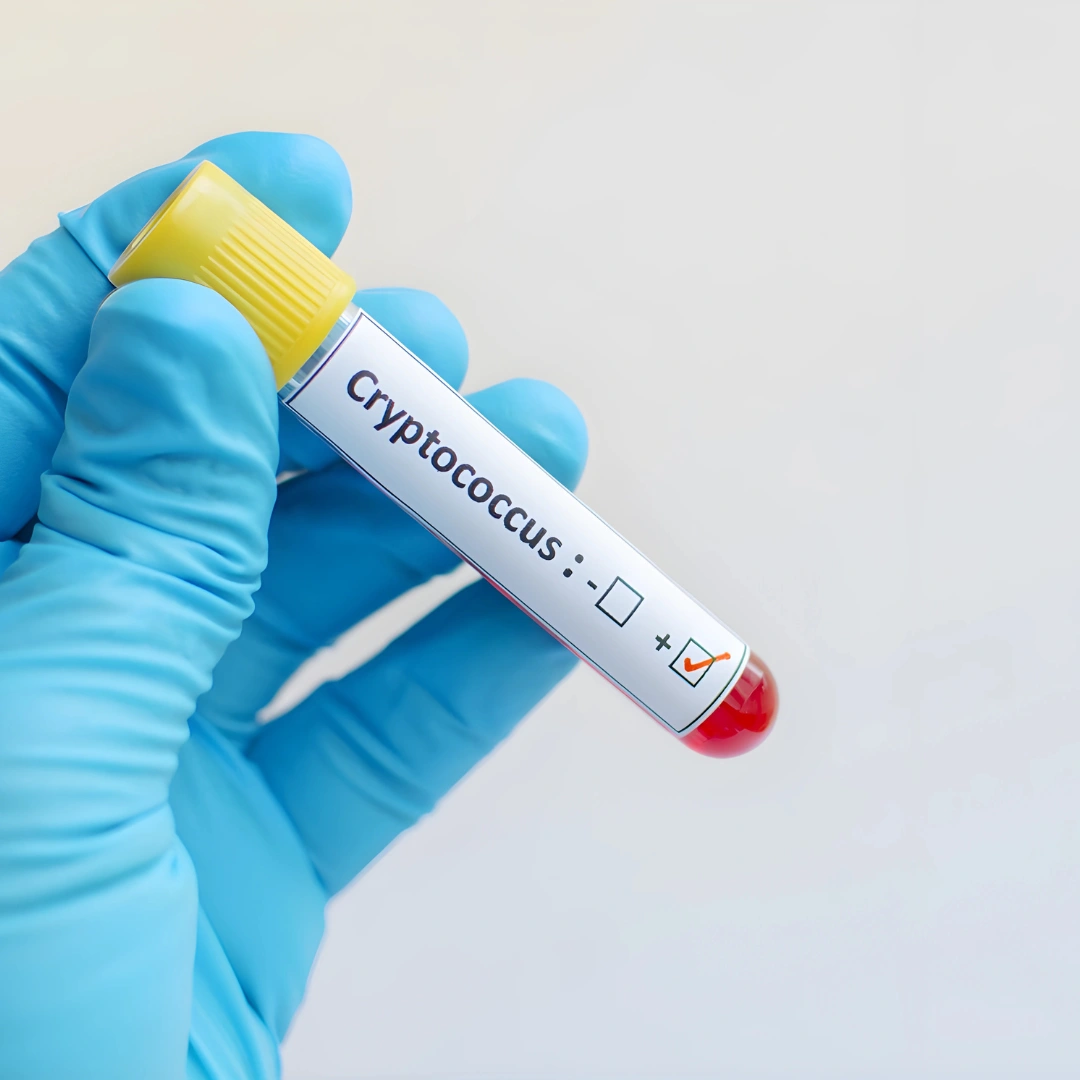
The Cryptococcus Antigen Detection, CSF test is a diagnostic assay that identifies the presence of cryptococcal polysaccharide antigens in the cerebrospinal fluid (CSF). Cryptococcus is a type of fungus that can cause serious infections, particularly cryptococcal meningitis, most often in immunocompromised individuals such as those with HIV/AIDS, organ transplants, or long-term immunosuppressive therapy.
Uses
This test is primarily used to diagnose cryptococcal meningitis, a potentially life-threatening fungal infection of the brain and spinal cord. It is highly sensitive and specific, detecting infection even in the early stages or when fungal cultures are negative. It is also used to monitor response to antifungal therapy and to detect relapses.
Symptoms That May Lead to the Test
Doctors may recommend this test if you present with symptoms such as persistent headache, fever, nausea, vomiting, stiff neck, blurred vision, confusion, or altered mental status—especially if you are immunocompromised. It is a critical diagnostic tool for patients with suspected meningitis when caused by fungal pathogens.
Abnormal Results
Positive Cryptococcus Antigen: Indicates cryptococcal infection of the central nervous system, most commonly cryptococcal meningitis. A positive result requires prompt antifungal treatment to prevent severe complications.
Negative Cryptococcus Antigen: Suggests no evidence of cryptococcal infection at the time of testing. However, in rare cases, repeat testing may be needed if clinical suspicion remains high.
Risks
The test requires collection of cerebrospinal fluid via lumbar puncture (spinal tap). Risks include mild pain, headache, dizziness, or rarely, infection or bleeding at the puncture site. These complications are uncommon when performed by experienced professionals.


Reviews
There are no reviews yet.