Cryptosporidium Antigen Detection from Stool
What it is
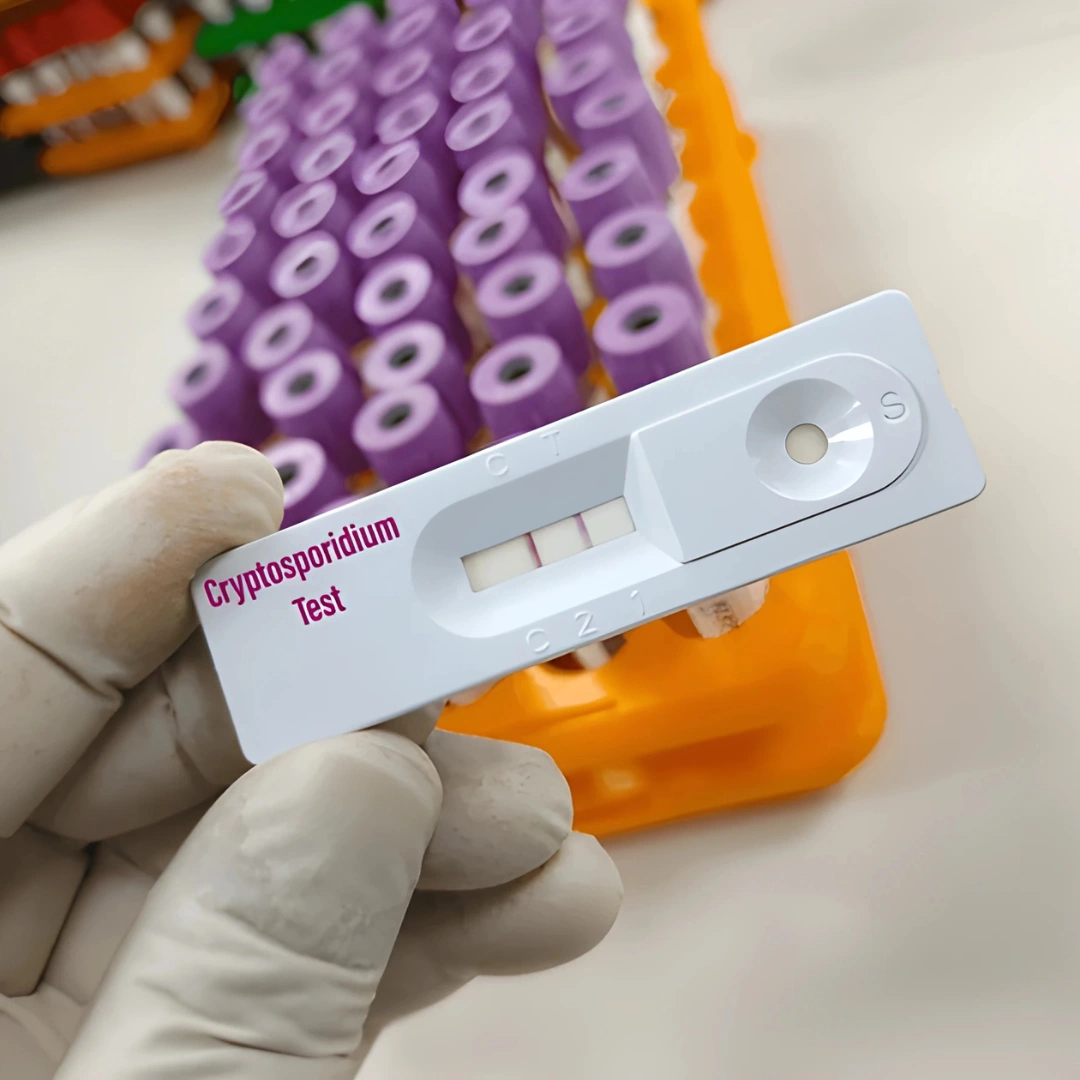
The Cryptosporidium Antigen Detection from Stool test identifies antigens of Cryptosporidium, a microscopic parasite that causes diarrheal illness known as cryptosporidiosis. This test uses stool samples to detect the parasite’s proteins, making it faster and more reliable than routine microscopic examination.
Uses
This test is used to diagnose cryptosporidiosis, a parasitic infection that affects the intestines and is commonly spread through contaminated water, food, or contact with infected individuals or animals. It is especially useful in diagnosing prolonged or unexplained diarrhea, particularly in immunocompromised patients (such as those with HIV/AIDS, transplant recipients, or on chemotherapy).
Symptoms That May Lead to the Test
Doctors may recommend this test if you have persistent watery diarrhea, abdominal cramps, nausea, dehydration, weight loss, or fever—particularly after travel, exposure to untreated water sources, or if you are immunocompromised. Children and people in areas with poor sanitation are at higher risk.
Abnormal Results
Positive Result: Indicates the presence of Cryptosporidium antigens in the stool, confirming infection. Treatment is usually supportive but may include antiparasitic medications such as nitazoxanide, especially in immunocompromised patients.
Negative Result: Suggests no evidence of Cryptosporidium infection at the time of testing. However, repeat testing may be necessary if symptoms persist, as parasite shedding can be intermittent.
Risks
The test involves only stool sample collection, which carries no direct medical risks. The main challenge is ensuring proper collection and handling of the sample for accurate results.


Reviews
There are no reviews yet.