Culture Aerobic & Susceptibility, Sputum
What it is
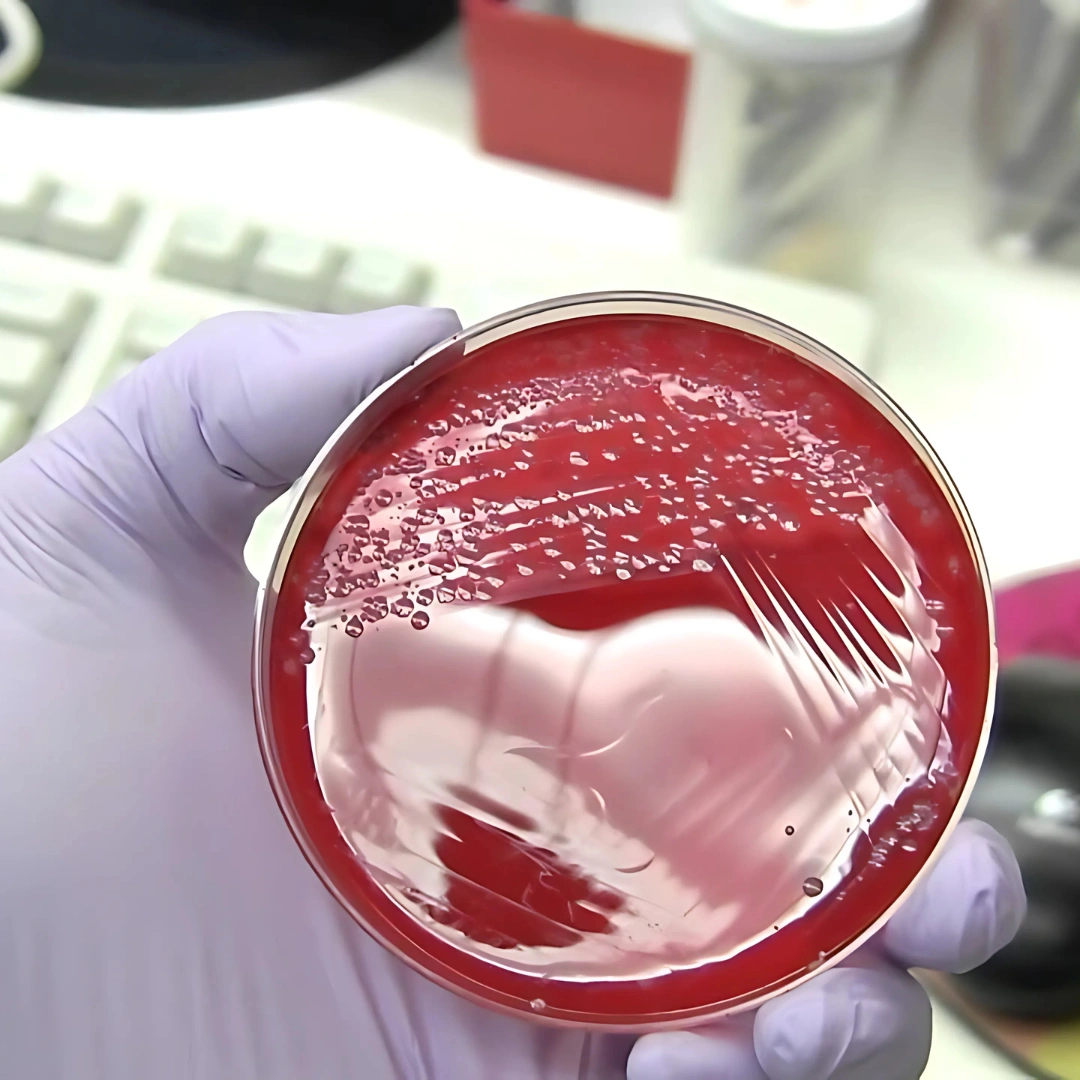
The Culture Aerobic & Susceptibility, Sputum test is a microbiological examination performed on sputum (mucus coughed up from the lungs) to detect bacterial organisms that grow in the presence of oxygen (aerobic bacteria). Once the pathogen is identified, antibiotic susceptibility testing is carried out to determine which medications are most effective for treatment.
Uses
This test is primarily used to diagnose bacterial respiratory infections such as pneumonia, bronchitis, tuberculosis-like illnesses, or lung abscesses. It helps distinguish bacterial infections from viral or non-infectious causes of respiratory symptoms. The susceptibility portion of the test guides doctors in choosing the most appropriate antibiotic therapy to ensure effective treatment.
Symptoms That May Lead to the Test
Doctors may recommend this test if you experience persistent cough, production of discolored or foul-smelling sputum, fever, chest pain, shortness of breath, or if pneumonia or another lung infection is suspected. It is especially important in patients who are immunocompromised, have chronic lung disease (such as COPD), or are not responding to initial antibiotic therapy.
Abnormal Results
Positive Culture: Indicates the presence of aerobic bacteria in the sputum sample. The antibiotic susceptibility results show which antibiotics can effectively treat the infection and which are resistant.
Negative Culture: Suggests no aerobic bacterial growth. This may indicate a viral infection, non-infectious cause of symptoms, or the need for repeat testing if contamination or collection issues are suspected.
Risks
The test involves only the collection of sputum, which is non-invasive and safe. Risks are minimal but may include discomfort during coughing or difficulty producing an adequate sample. Proper collection is crucial to avoid contamination with saliva.


Reviews
There are no reviews yet.