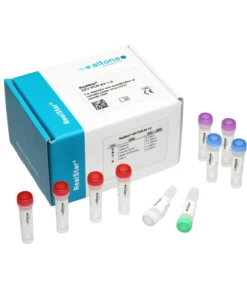
Cyclosporine C0 Level
What it is
The Cyclosporine C0 Level test measures the concentration of cyclosporine in the blood at the “C0” point, which means immediately before the next scheduled dose (trough level). Cyclosporine is an immunosuppressive drug widely used to prevent organ transplant rejection and to treat certain autoimmune diseases. Monitoring trough levels helps ensure the medication is both effective and safe.
Uses
This test is mainly used in transplant patients (kidney, liver, heart, lung) to adjust cyclosporine dosage and prevent rejection while avoiding drug toxicity. It is also used in patients being treated for autoimmune conditions such as psoriasis, rheumatoid arthritis, and nephrotic syndrome. Regular monitoring helps balance drug efficacy with the risk of side effects.
Symptoms That May Lead to the Test
Doctors may order this test during routine therapeutic drug monitoring after transplantation or in patients receiving cyclosporine for autoimmune conditions. It may also be requested if you show signs of drug toxicity (such as tremors, kidney dysfunction, high blood pressure, or gum swelling) or if rejection or worsening of the underlying condition is suspected.
Abnormal Results
High Cyclosporine Levels: Increase the risk of toxicity, which may cause kidney damage, high blood pressure, liver dysfunction, tremors, seizures, or excessive hair growth.
Low Cyclosporine Levels: May indicate insufficient immunosuppression, raising the risk of organ rejection or flare-ups of autoimmune disease.
Risks
The test requires a standard blood draw, usually just before the next dose. Risks are minimal and include slight discomfort, bruising, or dizziness at the puncture site, which usually resolve quickly.


Reviews
There are no reviews yet.