D-Dimer; Semi-Quantitative
What it is
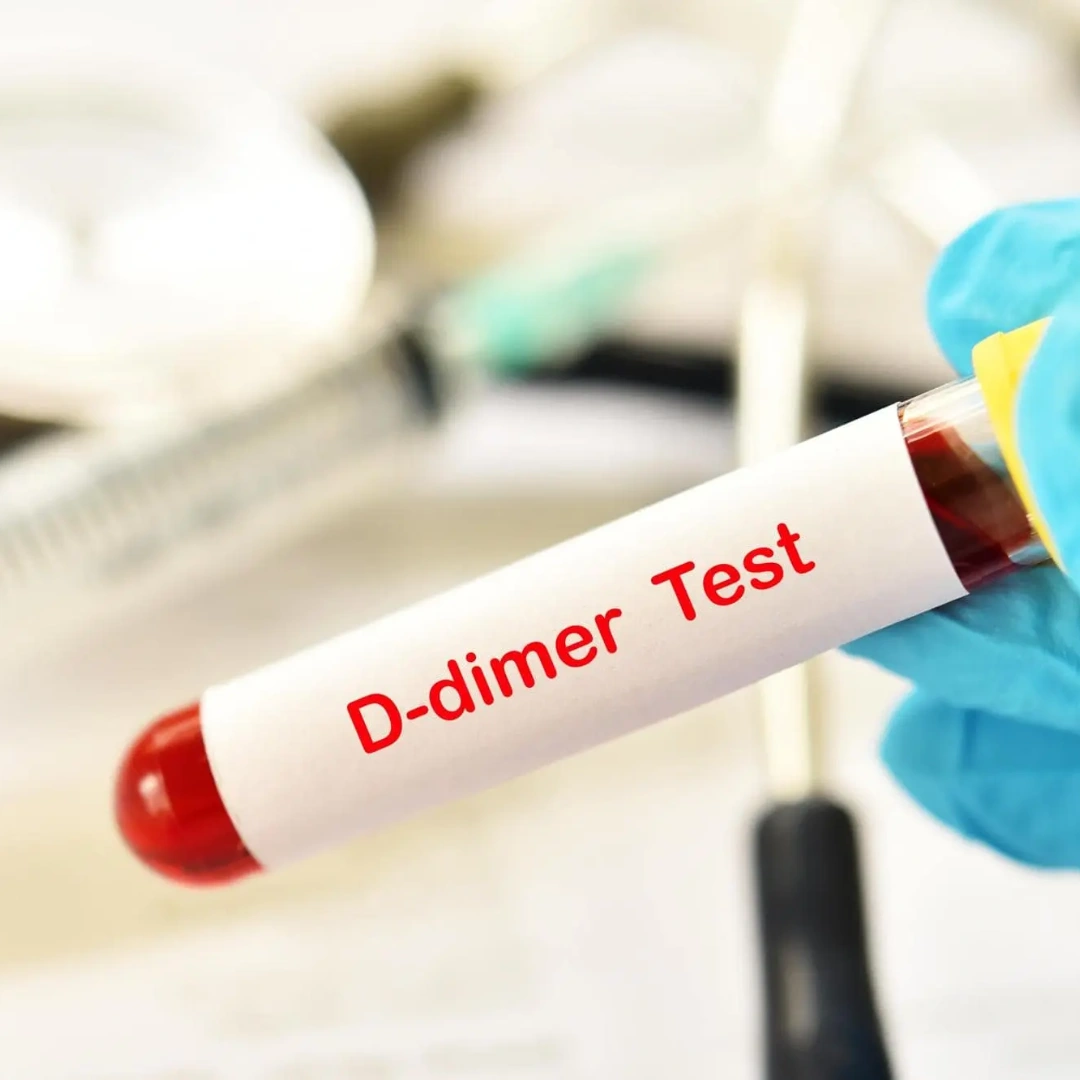
The D-Dimer; Semi-Quantitative test measures the amount of D-dimer, a protein fragment released when blood clots are broken down in the body. Unlike qualitative tests (positive/negative) and fully quantitative tests, the semi-quantitative method provides an approximate range of D-dimer levels, offering more detail than a simple screen while being faster and less resource-intensive than a precise measurement.
Uses
This test is primarily used to help rule out blood clot-related conditions such as deep vein thrombosis (DVT), pulmonary embolism (PE), and disseminated intravascular coagulation (DIC). It can also assist in monitoring patients with suspected clotting disorders, certain post-surgical complications, or severe infections where clotting risk is elevated.
Symptoms That May Lead to the Test
Doctors may recommend this test if you have symptoms such as unexplained leg swelling, redness, or pain (suggestive of DVT), sudden chest pain or shortness of breath (suggestive of PE), or abnormal bleeding/bruising that may indicate DIC. It may also be used in hospitalized patients with increased clotting risk.
Abnormal Results
Elevated D-Dimer (Semi-Quantitative): Suggests increased clot formation and breakdown. Conditions include DVT, PE, DIC, trauma, recent surgery, liver disease, pregnancy, or severe infections. However, results are not specific and must be interpreted with clinical findings and imaging tests.
Normal/Low D-Dimer: Effectively rules out thrombotic conditions in most low- to moderate-risk patients. A negative result makes the presence of significant clots unlikely.
Risks
The test requires a routine blood sample. Risks are minimal and may include mild discomfort, bruising, or dizziness at the puncture site, which usually resolve quickly.


Reviews
There are no reviews yet.