DHT – Dihydrotestosterone
What it is
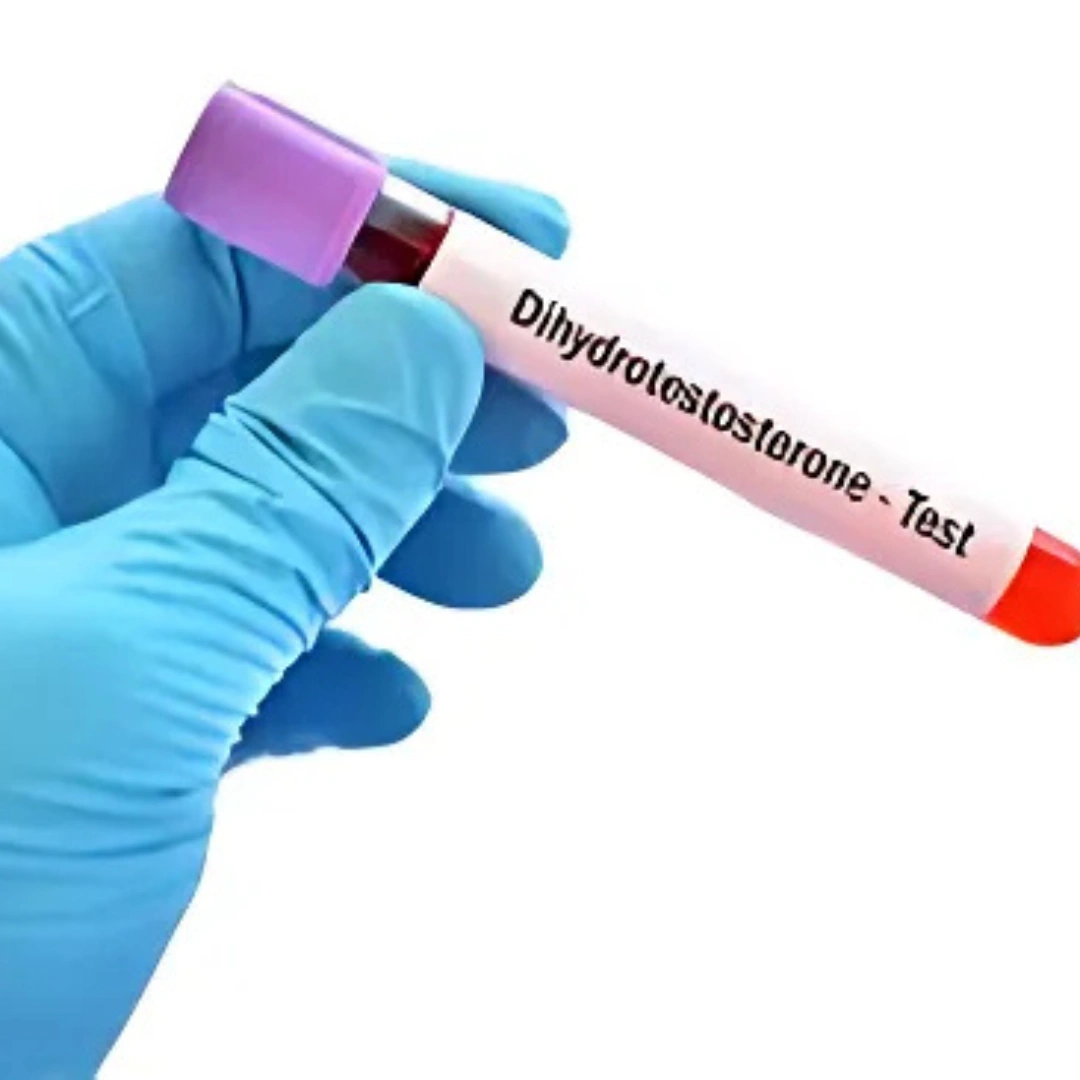
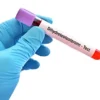
The DHT (Dihydrotestosterone) test measures the level of dihydrotestosterone in the blood. DHT is a potent androgen hormone derived from testosterone through the action of the enzyme 5-alpha-reductase. It plays a vital role in the development of male characteristics during puberty and also influences hair growth, prostate health, and sexual function.
Uses
This test is used to evaluate androgen status in men and women. It helps in the diagnosis of conditions such as androgenic alopecia (male-pattern or female-pattern hair loss), benign prostatic hyperplasia (BPH), prostate cancer risk assessment, and disorders of sexual development. It is also used to monitor treatment with 5-alpha-reductase inhibitors (such as finasteride) for hair loss or prostate conditions.
Symptoms That May Lead to the Test
Doctors may recommend this test if you experience symptoms such as excessive hair loss, acne, hirsutism (excessive hair growth in women), infertility, low libido, erectile dysfunction, or signs of abnormal sexual development. In men, it may be indicated in cases of prostate enlargement or suspected prostate disease.
Abnormal Results
High DHT Levels: May be associated with hair loss (androgenic alopecia), acne, hirsutism, benign prostatic hyperplasia, or prostate cancer risk. Elevated levels may also contribute to early puberty in boys.
Low DHT Levels: May indicate enzyme deficiency (5-alpha-reductase deficiency), certain hormonal therapies, or conditions leading to impaired testosterone conversion. Low levels can contribute to underdeveloped male genitalia, infertility, or reduced sexual function.
Risks
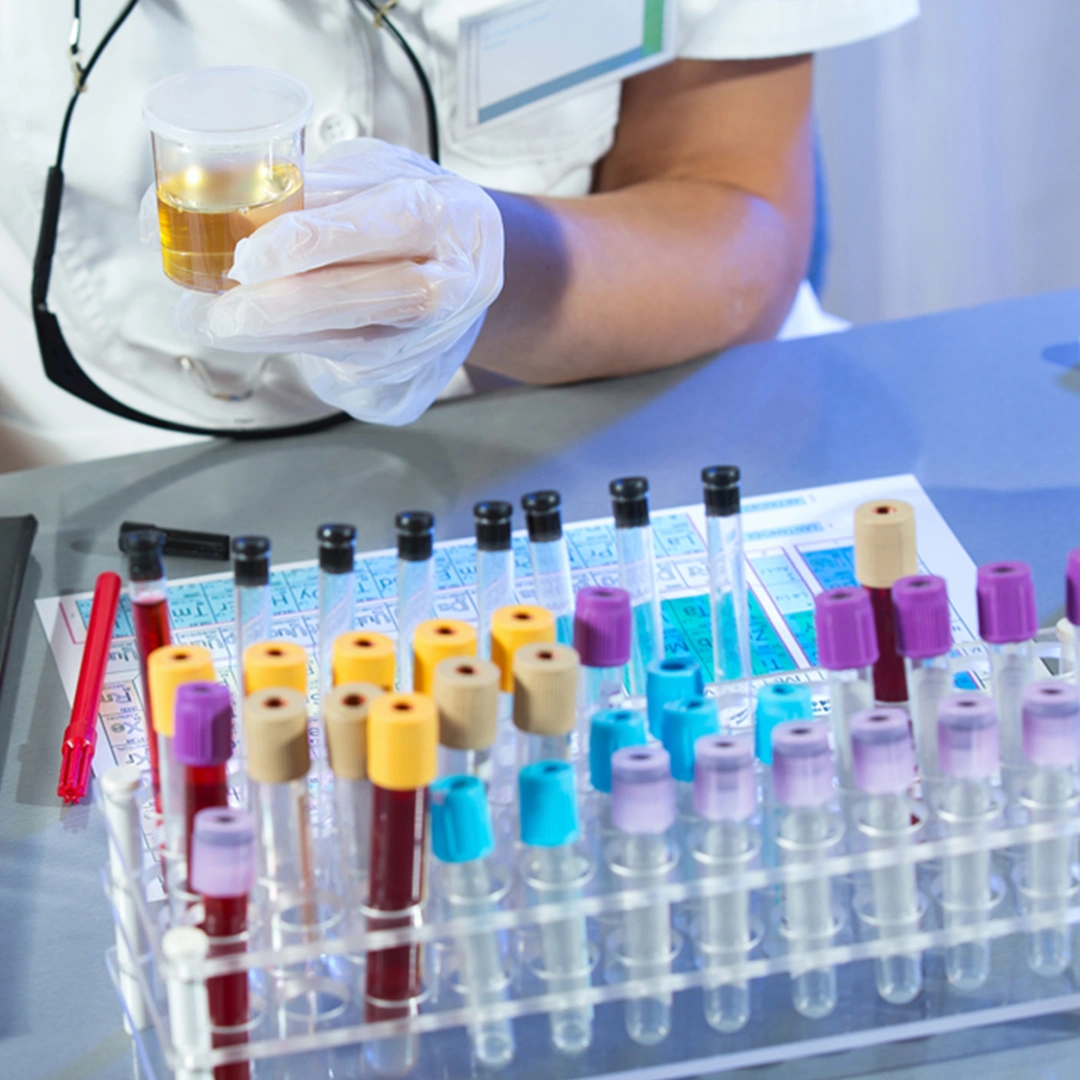
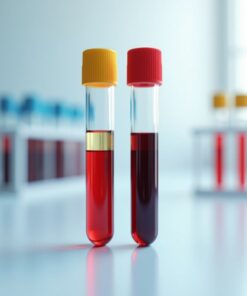
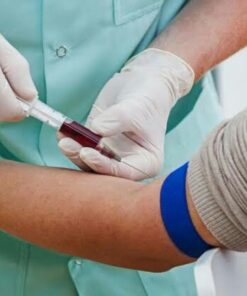
The test requires a standard blood sample. Risks are minimal and limited to mild pain, bruising, or dizziness at the puncture site. These effects are temporary and uncommon.


Reviews
There are no reviews yet.