Drugs of Abuse Panel – 5 Drug Panel, Qualitative
What it is
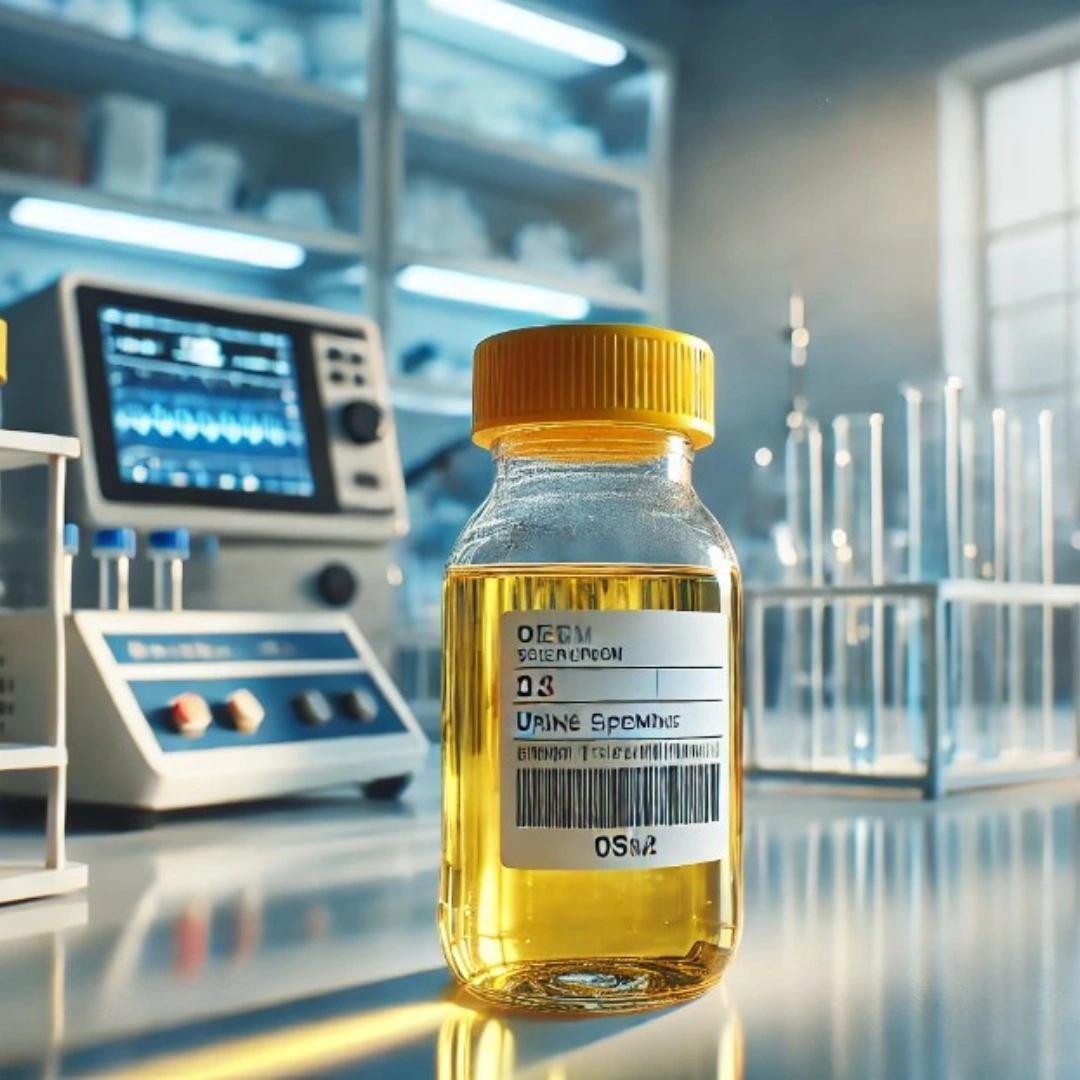
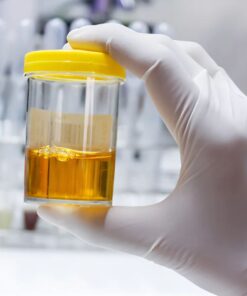
The Drugs of Abuse Panel – 5 Drug Panel, Qualitative test is a urine screening test designed to detect the presence of commonly abused substances. It uses immunoassay technology to provide a rapid, qualitative (positive/negative) result. The panel typically includes detection for five major classes of drugs: amphetamines, cocaine, marijuana (THC), opiates, and phencyclidine (PCP).
Uses
This test is widely used in workplace drug screening, legal and forensic investigations, rehabilitation programs, clinical toxicology, and medical evaluations of patients with altered mental status. It helps identify recent drug use and supports monitoring in individuals with a history of substance abuse.
Symptoms That May Lead to the Test
Doctors or authorities may request this test if a person shows signs of drug use such as unexplained drowsiness, euphoria, paranoia, aggression, hallucinations, erratic behavior, slurred speech, poor coordination, or sudden changes in work/school performance. It is also routinely ordered in pre-employment checks, post-accident testing, or random workplace monitoring.
Abnormal Results
Positive Result: Indicates the presence of one or more drug classes above the established cutoff level. Positive results are considered preliminary and should be confirmed with a more specific test such as gas chromatography–mass spectrometry (GC-MS).
Negative Result: Suggests no drugs were detected, or levels were below the cutoff threshold. It does not necessarily rule out very recent use, very low concentrations, or drugs not included in the 5-panel test.
Risks
The test is non-invasive and involves urine collection. Risks are minimal, limited to potential embarrassment during collection. There are no physical side effects.


Reviews
There are no reviews yet.