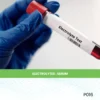
Electrolytes, Serum
What it is
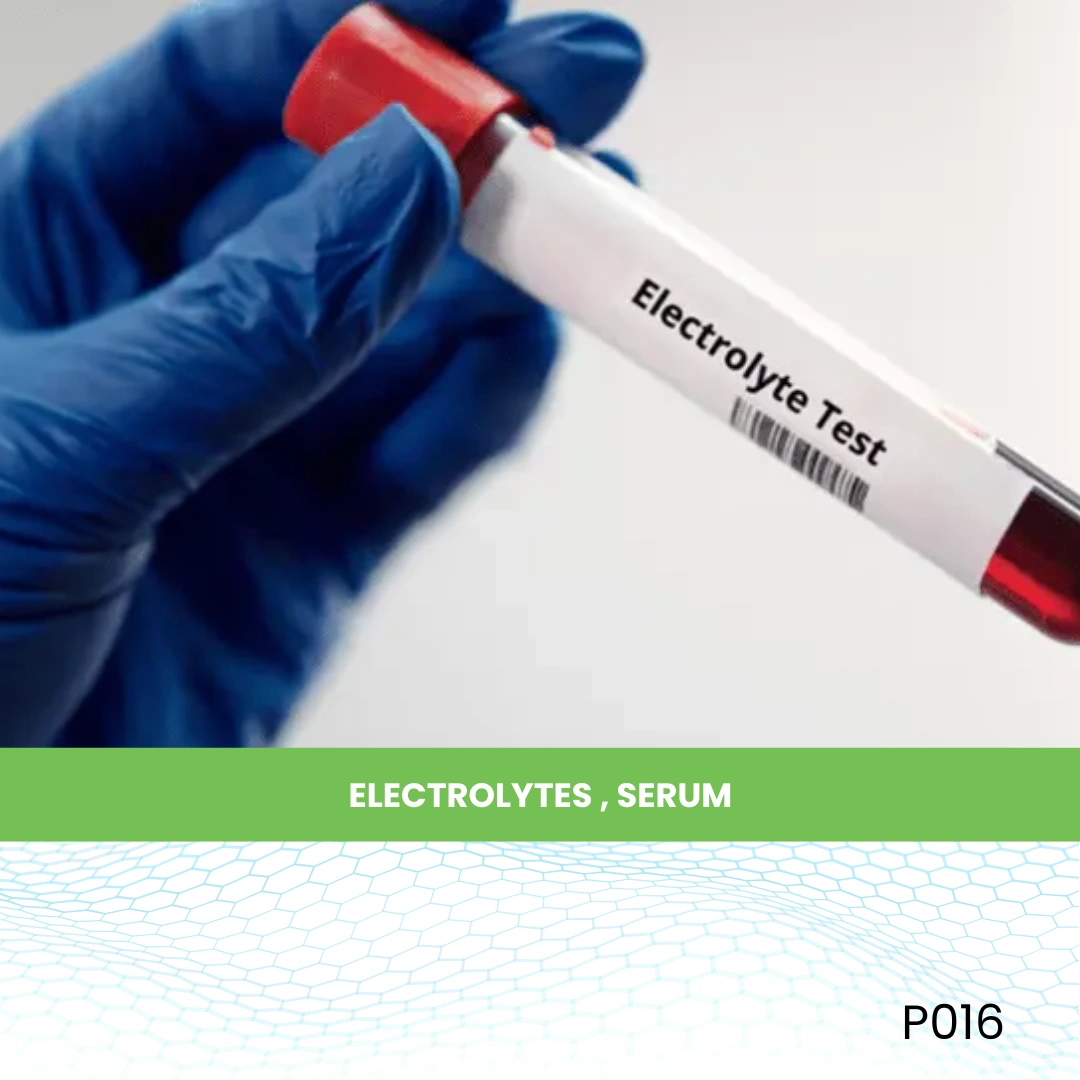
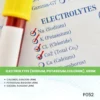
The Electrolytes, Serum test measures the levels of key electrolytes—sodium, potassium, and chloride—in the blood. These minerals play a critical role in maintaining fluid balance, nerve conduction, muscle function, and acid–base equilibrium. Abnormal levels may indicate dehydration, kidney problems, hormonal imbalances, or metabolic disorders.
Uses
This test is commonly used to evaluate electrolyte and acid–base balance in patients with suspected dehydration, kidney disease, heart conditions, endocrine disorders, or those receiving diuretics or intravenous fluids. It is also routinely ordered in emergency and critical care settings for patients with unexplained weakness, confusion, or cardiac symptoms.
Symptoms That May Lead to the Test
Doctors may recommend this test if you experience persistent vomiting, diarrhea, confusion, irregular heartbeat, muscle cramps, weakness, seizures, or unexplained fatigue. It is also often performed as part of a metabolic panel during general health checkups or hospitalization.
Abnormal Results
High Sodium (Hypernatremia): May indicate dehydration, excessive salt intake, kidney dysfunction, or certain endocrine disorders.
Low Sodium (Hyponatremia): Seen in overhydration, heart failure, liver disease, SIADH (Syndrome of Inappropriate Antidiuretic Hormone), or excessive fluid loss.
High Potassium (Hyperkalemia): May result from kidney failure, adrenal insufficiency, or certain medications. It can cause dangerous heart rhythm disturbances.
Low Potassium (Hypokalemia): Often due to vomiting, diarrhea, diuretic use, or inadequate intake, leading to muscle weakness or arrhythmias.
Chloride Abnormalities: Provide insight into acid–base disorders such as metabolic acidosis (high chloride) or metabolic alkalosis (low chloride).
Risks
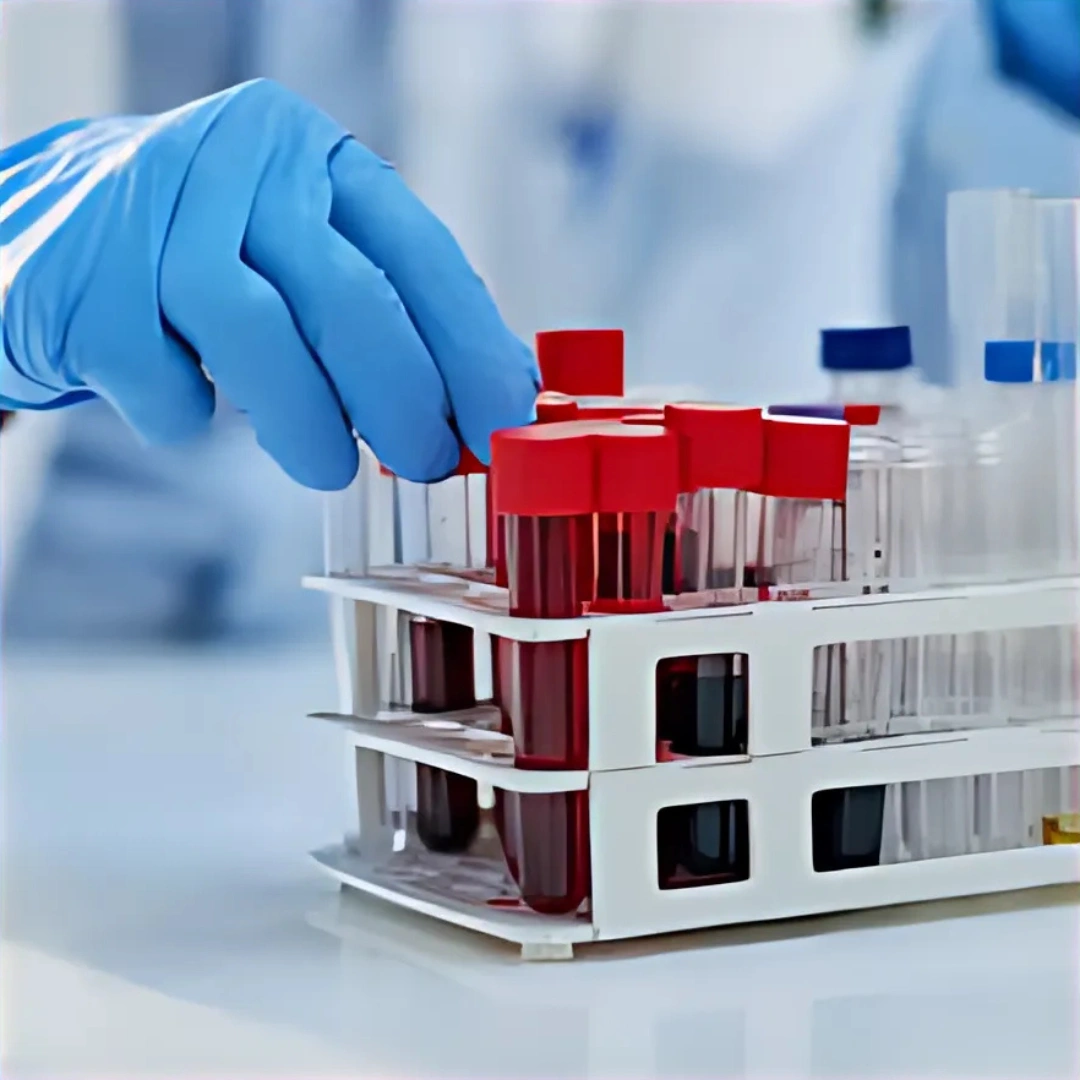
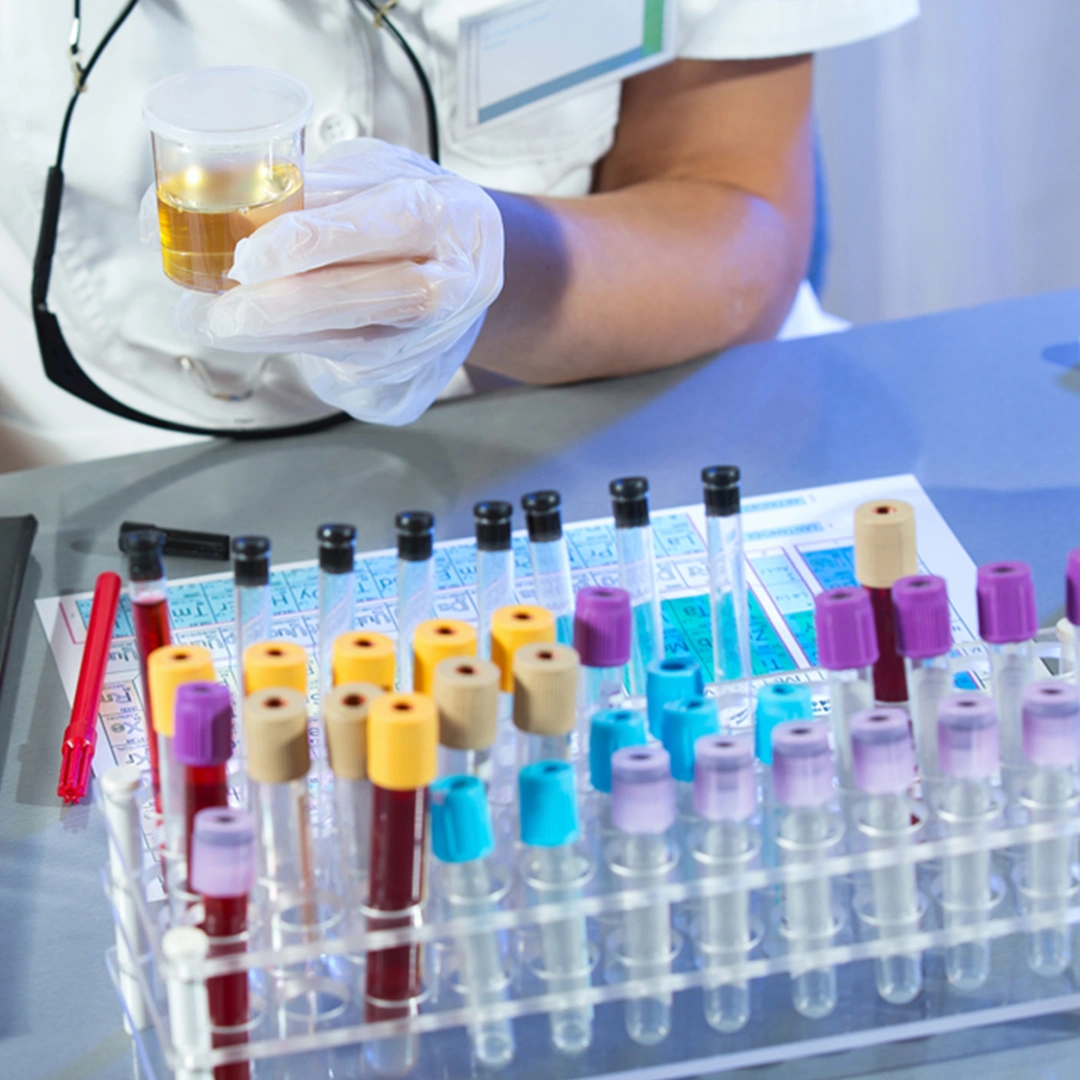
The test requires a standard blood sample. Risks are minimal, including mild pain, bruising, or dizziness at the puncture site. These are temporary and uncommon.


Reviews
There are no reviews yet.