Epstein-Barr Virus (EBV) Nuclear Antigen IgM Antibodies
What it is
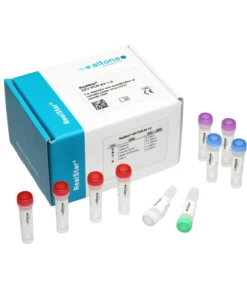
The Epstein-Barr Virus (EBV) Nuclear Antigen IgM Antibodies test is designed to detect IgM antibodies directed against the EBNA (Epstein-Barr Nuclear Antigen) protein. EBNA is typically expressed during the later stages of EBV infection. Unlike EBV VCA IgM, which indicates an acute or recent infection, EBNA IgM is generally not a standard marker for primary EBV infection and is rarely detected. Its presence may sometimes reflect atypical immune responses, cross-reactivity, or laboratory variation.
Uses
This test is occasionally performed as part of a broader EBV antibody panel to help clarify unusual or inconclusive EBV infection patterns. It is not commonly used as a primary diagnostic tool but may provide supporting evidence in complex cases. More reliable EBV markers include VCA IgM, VCA IgG, EA IgG, and EBNA IgG.
Symptoms That May Lead to the Test
Doctors may order this test when evaluating patients with suspected EBV infection (infectious mononucleosis) who present with fever, sore throat, swollen lymph nodes, enlarged spleen, or fatigue—especially if standard EBV antibody results are inconsistent or confusing.
Abnormal Results
Positive EBNA IgM: Rarely detected; may indicate an unusual or atypical immune response. Interpretation should be cautious and always correlated with VCA IgM, VCA IgG, and EBNA IgG results, as well as clinical findings.
Negative EBNA IgM: Expected in most individuals. Acute EBV infection is better diagnosed using VCA IgM positivity and absence of EBNA IgG.
Risks
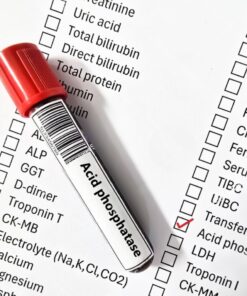
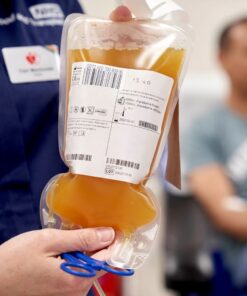
The test requires a standard blood draw. Risks are minimal and limited to mild pain, bruising, or dizziness at the puncture site. These effects are temporary and uncommon.


Reviews
There are no reviews yet.