Erythropoietin (EPO)
What it is
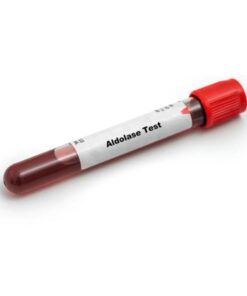
The Erythropoietin (EPO) test measures the level of erythropoietin, a hormone produced mainly by the kidneys that stimulates red blood cell production in the bone marrow. EPO levels are closely linked to oxygen availability in the blood, and abnormalities may reflect bone marrow disorders, kidney disease, or conditions affecting red blood cell production.
Uses
This test is used to help diagnose the cause of anemia (low red blood cell count) or polycythemia (high red blood cell count). It helps differentiate whether anemia is due to decreased hormone production (e.g., chronic kidney disease) or bone marrow failure, and whether polycythemia is caused by increased EPO (secondary causes) or a bone marrow disorder (polycythemia vera).
Symptoms That May Lead to the Test
Doctors may order this test if you have persistent fatigue, weakness, shortness of breath, pale skin, dizziness, or signs of anemia. It may also be recommended if you have abnormally high hemoglobin/hematocrit, headaches, high blood pressure, or blood clots suggesting polycythemia.
Abnormal Results
Low EPO Levels: May indicate chronic kidney disease, polycythemia vera, or inadequate EPO production despite anemia.
High EPO Levels: May occur with chronic lung disease, living at high altitudes, certain tumors (such as renal cell carcinoma), or blood disorders causing secondary polycythemia.
Risks
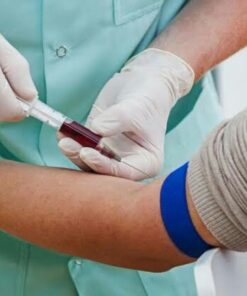
The test requires a standard blood draw. Risks are minimal and may include mild pain, bruising, or dizziness at the puncture site. These are temporary and uncommon.


Reviews
There are no reviews yet.