Estriol Unconjugated (E3), Serum
What it is
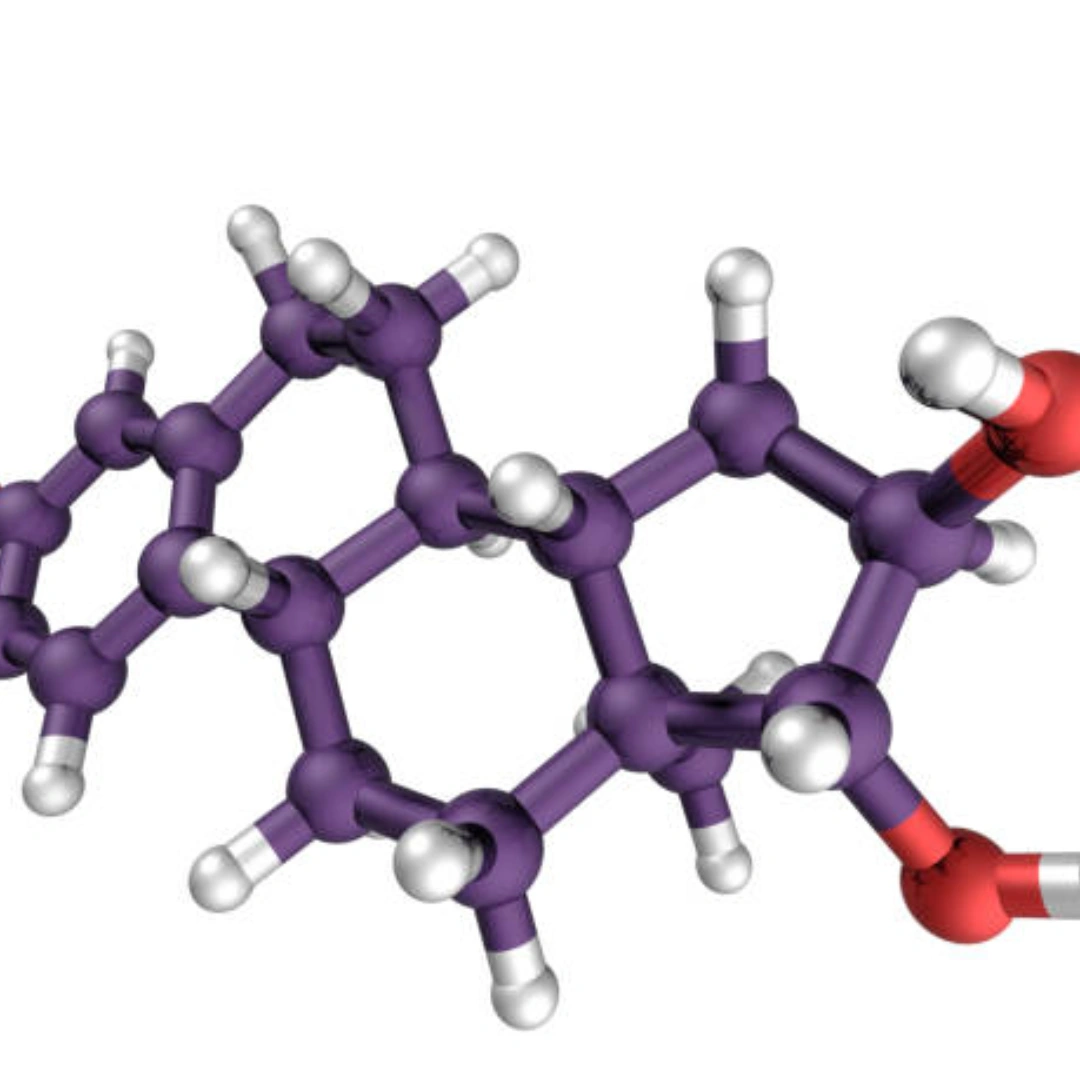
The Estriol Unconjugated (E3), Serum test measures the level of unconjugated estriol, an estrogen hormone primarily produced during pregnancy. Estriol is synthesized by the placenta from precursors originating in the fetus, making it an important marker of fetal and placental health. Unlike estradiol (E2), which is present in both men and women, estriol levels are typically low except during pregnancy, where they increase significantly.
Uses
This test is most commonly used as part of the maternal serum triple screen or quad screen during the second trimester of pregnancy to assess the risk of fetal chromosomal abnormalities, such as Down syndrome (trisomy 21) and Edwards syndrome (trisomy 18). It may also help evaluate placental function and fetal well-being in high-risk pregnancies.
Symptoms That May Lead to the Test
Doctors may recommend this test for pregnant women as part of routine prenatal screening. It is particularly indicated for women over 35, those with a family history of genetic disorders, or pregnancies where ultrasound findings raise concern for growth restriction or congenital anomalies.
Abnormal Results
Low Estriol Levels: May indicate potential chromosomal abnormalities (such as trisomy 18 or 21), intrauterine growth restriction (IUGR), fetal demise, or placental insufficiency.
High Estriol Levels: Generally considered reassuring and consistent with normal pregnancy progression. Rarely, excessively high levels may be related to multiple pregnancies or fetal adrenal disorders.
Risks
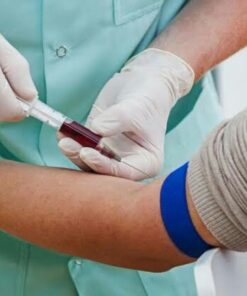
The test requires a standard maternal blood draw. Risks are minimal and limited to mild bruising, discomfort, or dizziness at the puncture site, all of which are uncommon and temporary.


Reviews
There are no reviews yet.