Factor X
What it is
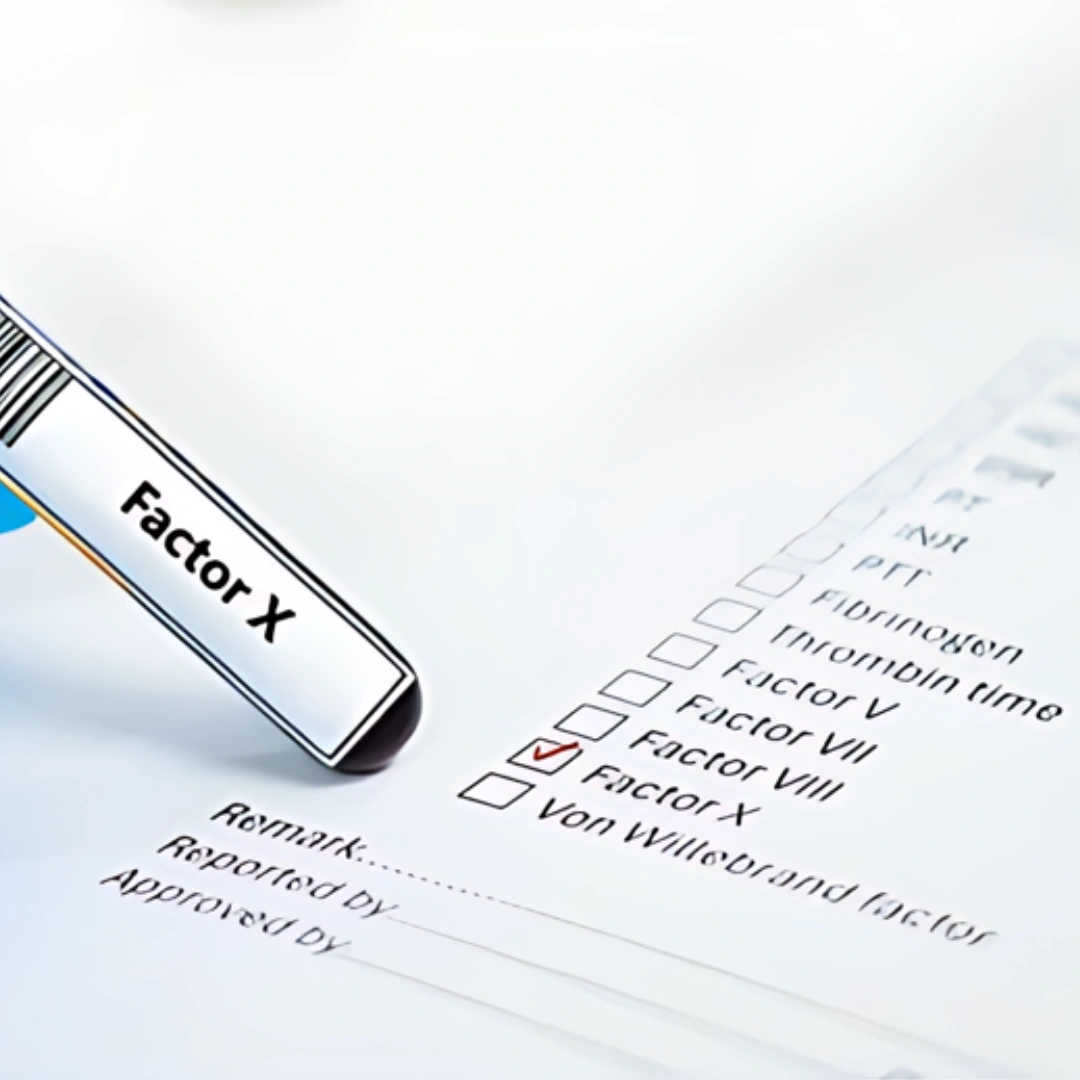
The Factor X test measures the activity or level of Factor X, a vitamin K–dependent clotting protein produced in the liver. Factor X plays a critical role in the coagulation cascade by converting prothrombin to thrombin, which is essential for proper clot formation. Deficiency of Factor X is rare but can result in abnormal bleeding and impaired clotting.
Uses
This test is used to diagnose and evaluate inherited or acquired Factor X deficiency. It helps investigate unexplained bleeding, prolonged clotting times (such as PT or aPTT), or monitor patients on anticoagulant therapy (like warfarin). It may also be ordered in the evaluation of liver disease or vitamin K deficiency, both of which can lower Factor X levels.
Symptoms That May Lead to the Test
Doctors may recommend this test if you present with frequent nosebleeds, easy bruising, heavy or prolonged menstrual bleeding, prolonged bleeding after surgery or dental work, joint bleeding, or unexplained anemia due to internal bleeding.
Abnormal Results
Low Factor X Levels: May indicate inherited Factor X deficiency, severe liver disease, vitamin K deficiency, disseminated intravascular coagulation (DIC), or use of anticoagulant medications (e.g., warfarin).
High Factor X Levels: Are uncommon but can sometimes be associated with increased risk of thrombosis (abnormal blood clots).
Risks
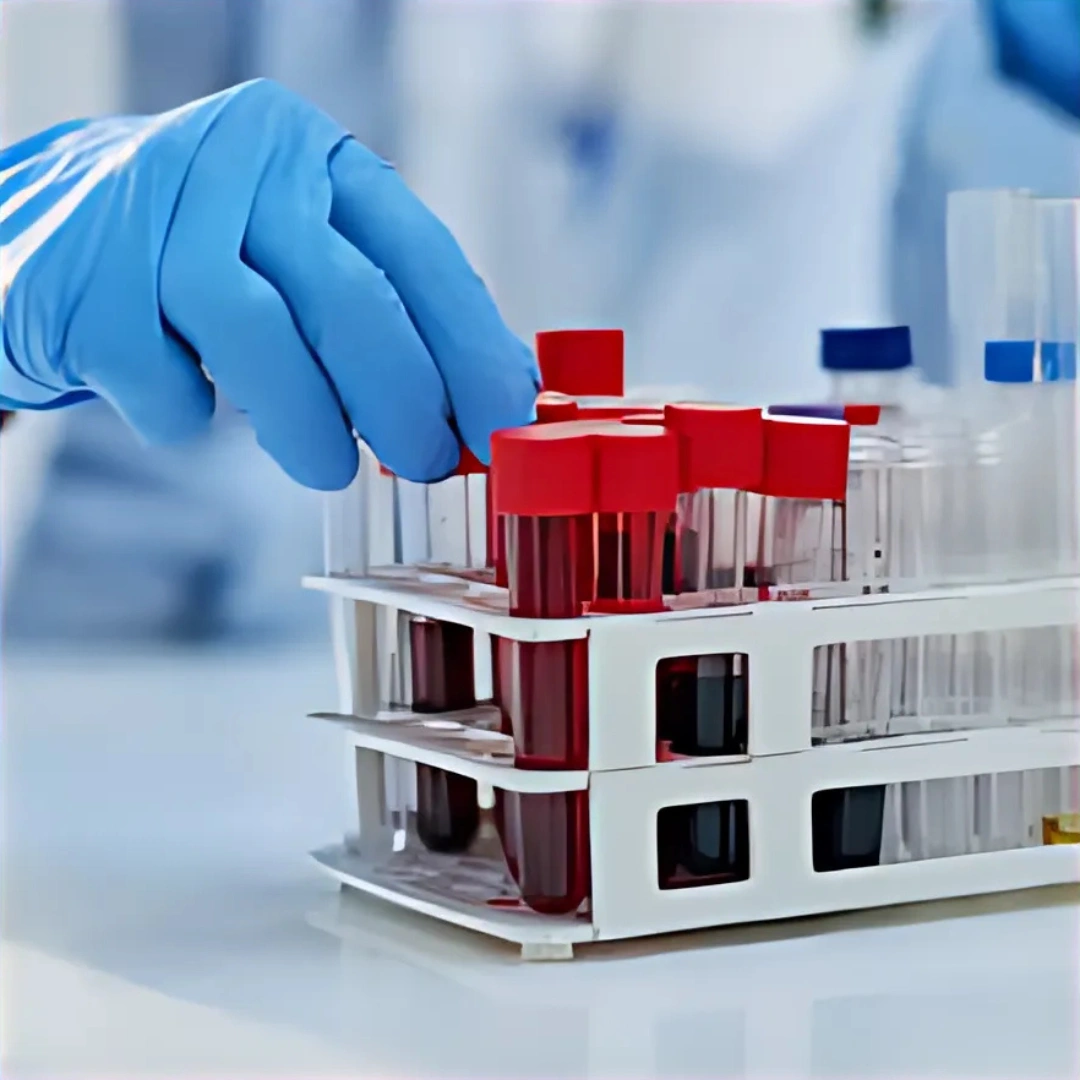
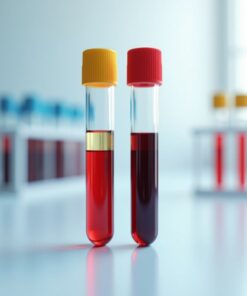
The test requires a blood sample. Risks are minimal and may include mild discomfort, bruising, or dizziness at the puncture site, which are temporary and uncommon.


Reviews
There are no reviews yet.