Factor XIII Activity, Citrated Plasma
What it is
The Factor XIII Activity test measures the functional activity of Factor XIII, a clotting factor essential for stabilizing blood clots. Factor XIII acts at the final stage of the coagulation cascade, cross-linking fibrin molecules to form a strong, stable clot. Testing is performed on citrated plasma, which helps preserve clotting proteins during analysis.
Uses
This test is primarily used to diagnose inherited or acquired Factor XIII deficiency, a rare bleeding disorder that can cause delayed bleeding even when routine clotting tests (PT, aPTT) are normal. It is also used to investigate recurrent miscarriages, unexplained bleeding, or poor wound healing, as Factor XIII is critical for clot stability and tissue repair. Additionally, it may be ordered to monitor patients receiving Factor XIII replacement therapy.
Symptoms That May Lead to the Test
Doctors may order this test if you have symptoms such as prolonged bleeding after surgery or trauma, unexplained bruising, frequent nosebleeds, umbilical stump bleeding in newborns, intracranial hemorrhage without trauma, or recurrent pregnancy loss. Unlike other bleeding disorders, bleeding in Factor XIII deficiency may be delayed rather than immediate.
Abnormal Results
Low Factor XIII Activity: Indicates Factor XIII deficiency, which can be inherited (genetic mutation) or acquired (due to autoimmune antibodies, severe liver disease, or disseminated intravascular coagulation). It is associated with an increased risk of bleeding, poor wound healing, and pregnancy complications.
Normal Factor XIII Activity: Suggests adequate clot stabilization and helps rule out this rare deficiency as the cause of bleeding symptoms.
Risks
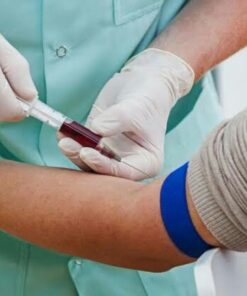
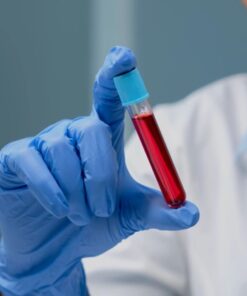
The test requires a standard blood draw using citrated plasma to prevent premature clotting. Risks are minimal and limited to mild discomfort, bruising, or dizziness at the puncture site. These side effects are uncommon and temporary.


Reviews
There are no reviews yet.