Fatigue Panel
What it is
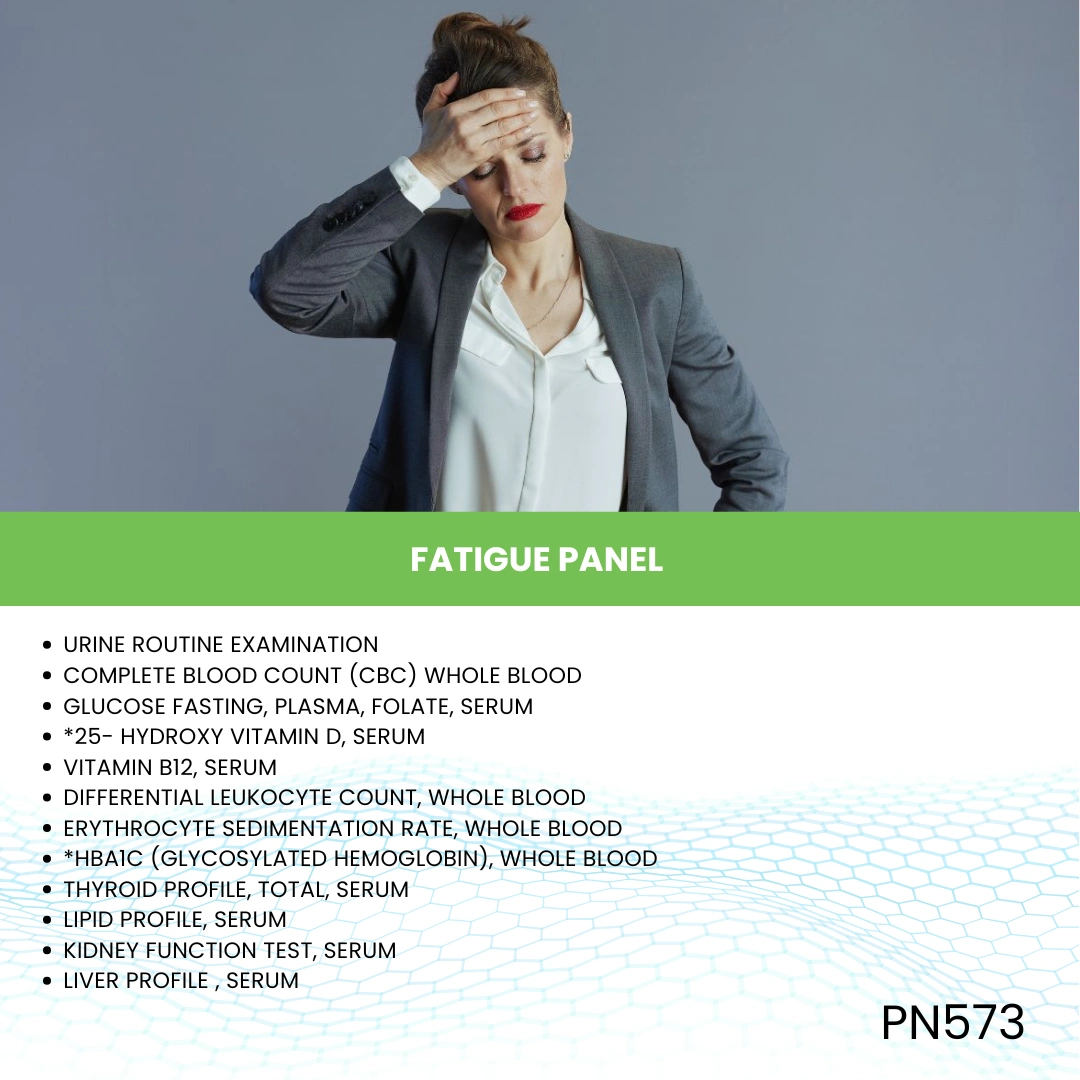
The Fatigue Panel is a group of blood tests designed to evaluate common medical causes of persistent tiredness, low energy, or weakness. Since fatigue can result from a wide range of conditions—including anemia, thyroid disorders, vitamin deficiencies, infections, metabolic problems, and chronic illnesses—this panel provides a broad overview of key health markers.
Uses
This test helps doctors identify underlying causes of unexplained fatigue. Depending on the laboratory, the panel may include tests such as:
- Complete Blood Count (CBC) – checks for anemia and infections.
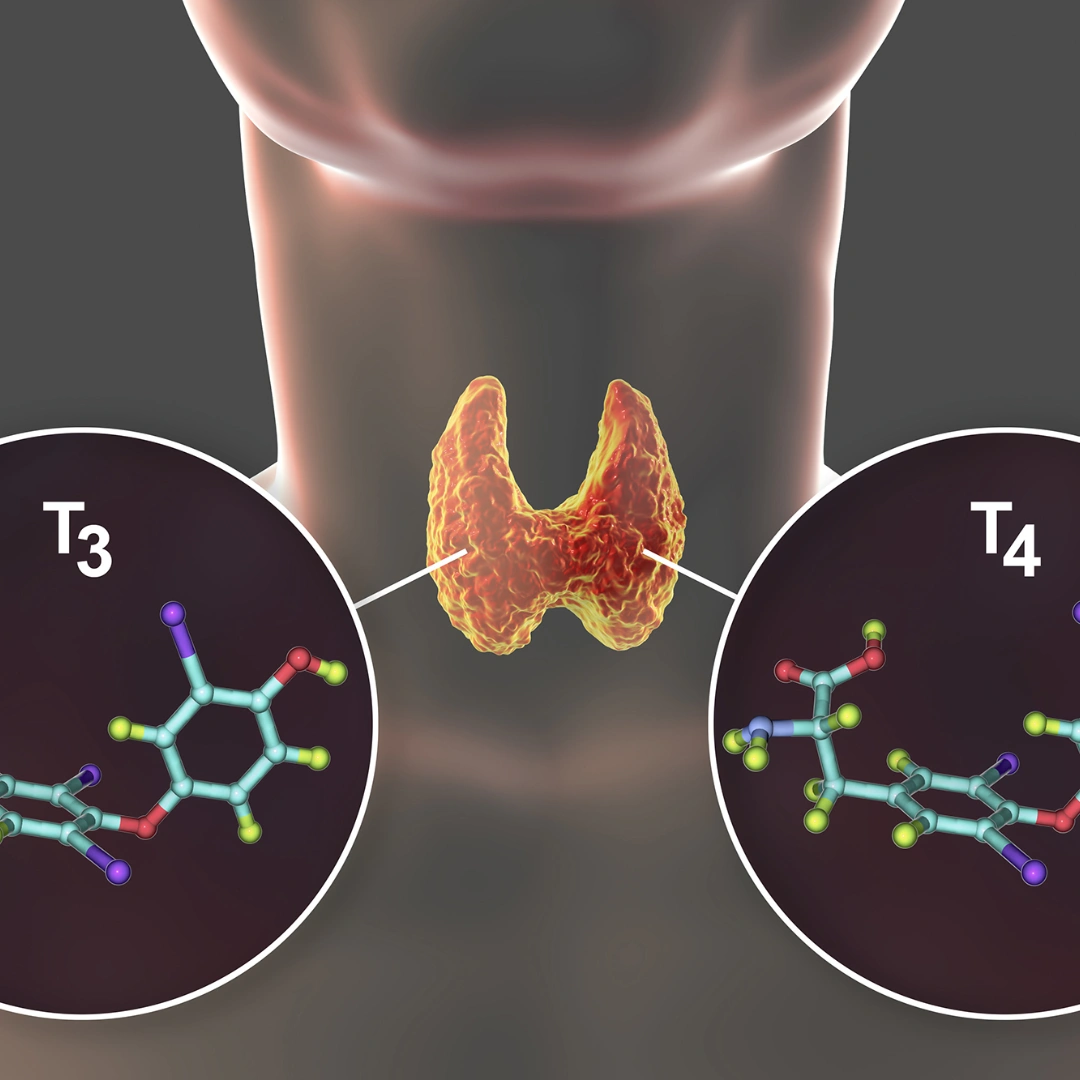
- Thyroid Function Tests (TSH, T3, T4) – detects hypothyroidism or hyperthyroidism.
- Vitamin B12 and Folate – deficiencies can cause fatigue and neurological symptoms.
- Iron Studies (Serum Iron, Ferritin, TIBC) – screens for iron-deficiency anemia.
- Blood Glucose / HbA1c – checks for diabetes or abnormal sugar levels.
- Electrolytes & Kidney Function – evaluates dehydration or renal causes of weakness.
- Liver Function Tests – identifies chronic liver disease as a fatigue contributor.
- Vitamin D – deficiency is often linked with low energy and muscle weakness.
Symptoms That May Lead to the Test
Doctors may order this panel if you experience ongoing tiredness, lack of energy, poor concentration, unexplained weakness, dizziness, frequent infections, mood changes, or sleep disturbances. It is also useful for patients with chronic medical conditions where fatigue is a common symptom.
Abnormal Results
Anemia: Low hemoglobin or abnormal red blood cell indices can cause persistent tiredness.
Thyroid Imbalance: Hypothyroidism often leads to fatigue, weight gain, and sluggishness, while hyperthyroidism may cause restlessness with exhaustion.
Vitamin & Mineral Deficiencies: Low vitamin B12, folate, iron, or vitamin D may contribute to fatigue and other systemic problems.
Abnormal Glucose or Organ Function Tests: May point to diabetes, kidney, or liver disease as contributors to chronic tiredness.
Risks
The test requires a routine blood draw. Risks are minimal and limited to mild discomfort, bruising, or dizziness at the puncture site. These are temporary and uncommon.


Reviews
There are no reviews yet.