Fertility Plus
What it is
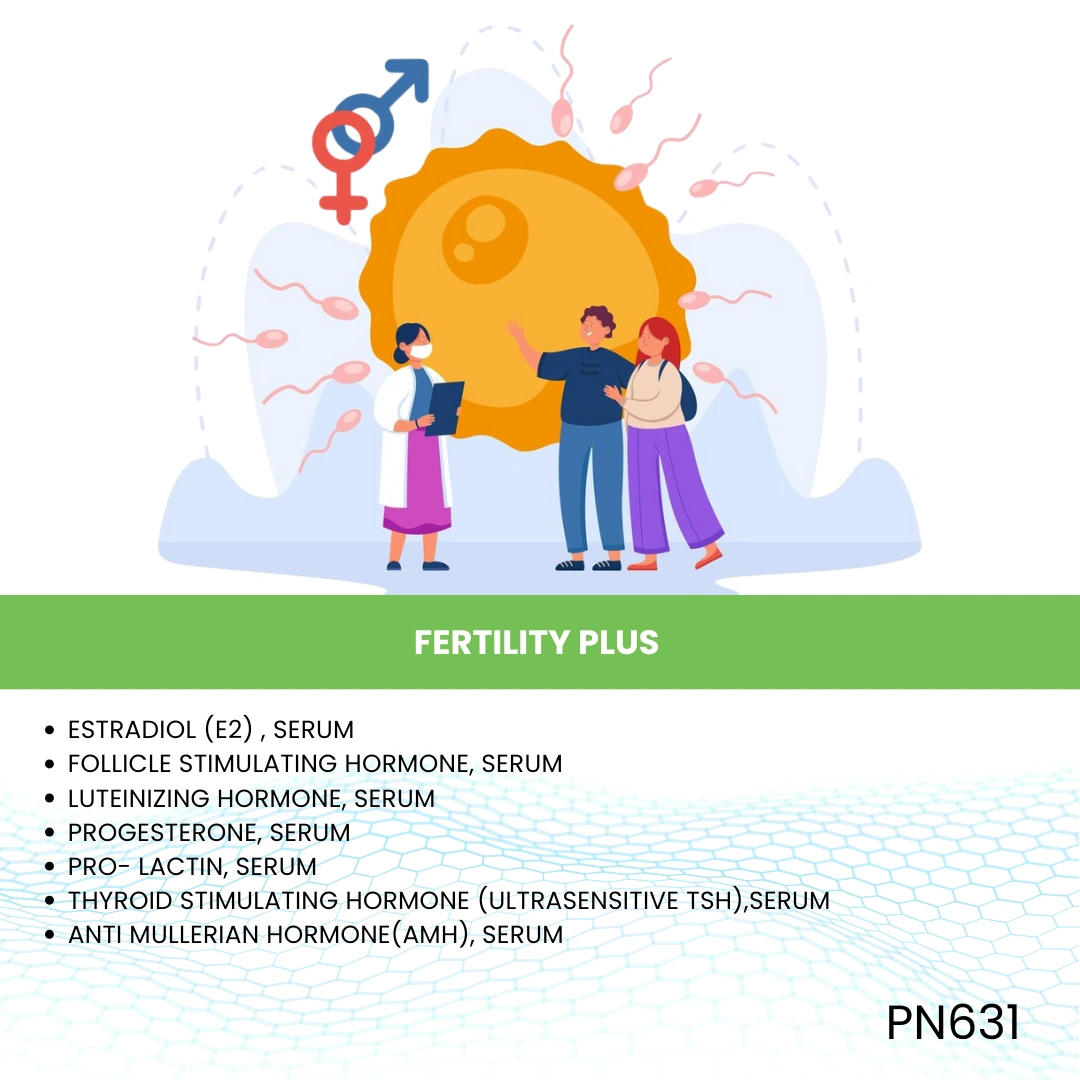
The Fertility Plus panel is a comprehensive set of blood tests designed to evaluate the hormonal and biological factors that influence male and female fertility. It provides a detailed assessment of reproductive health by measuring key hormones that regulate ovulation, menstrual cycles, sperm production, and overall reproductive function.
Uses
This panel is used to investigate causes of infertility, irregular menstrual cycles, recurrent pregnancy loss, or delayed conception. It helps doctors determine whether hormonal imbalances, ovulatory dysfunction, or other endocrine issues are contributing to difficulty in conceiving.
Depending on the laboratory, the Fertility Plus panel may include tests such as:
- FSH (Follicle Stimulating Hormone): Evaluates ovarian reserve and sperm production.
- LH (Luteinizing Hormone): Assesses ovulation and reproductive hormone balance.
- Estradiol (E2): Measures estrogen levels for ovarian function.
- AMH (Anti-Müllerian Hormone): Indicates ovarian reserve and egg supply.
- Prolactin: Detects abnormal elevations affecting fertility.
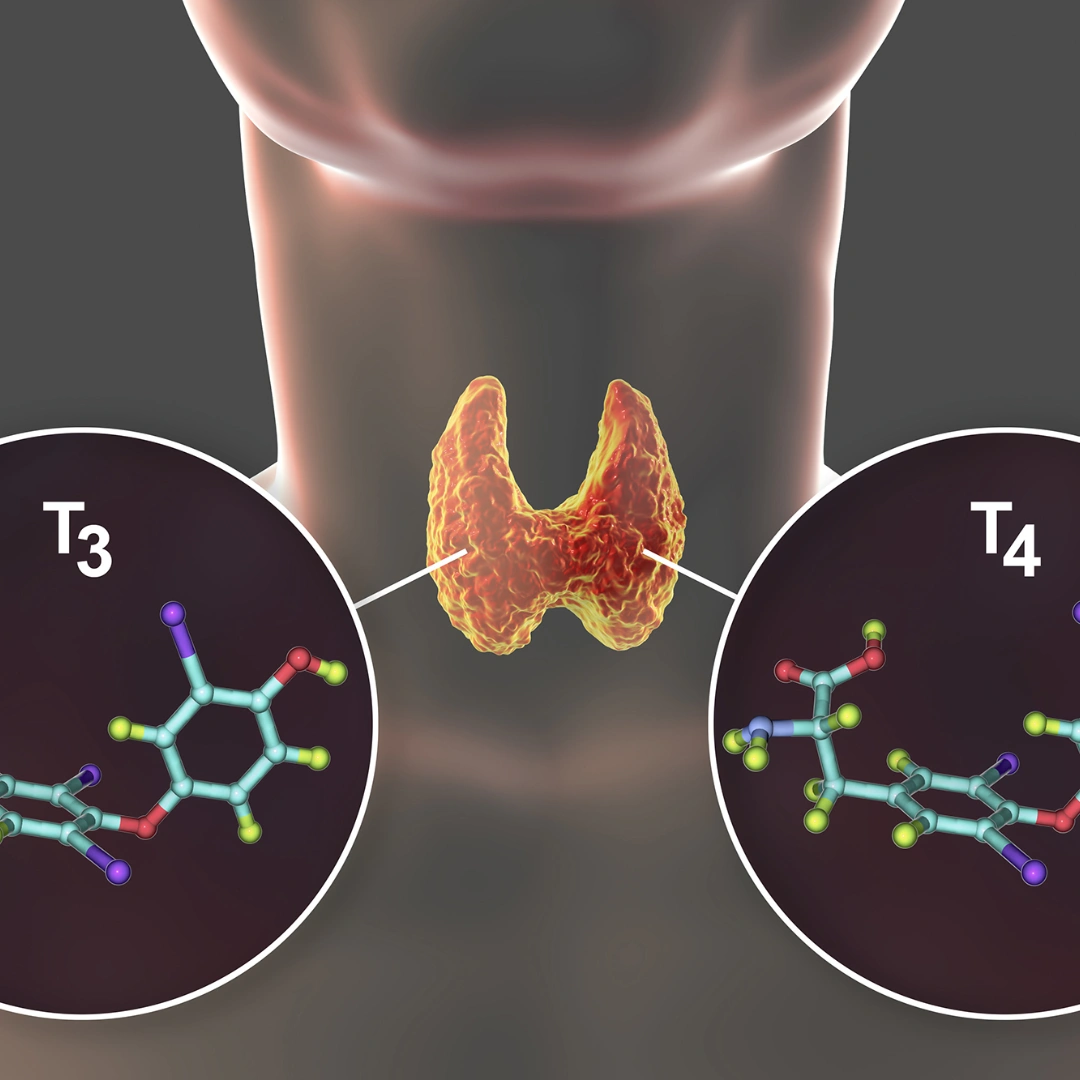
- TSH (Thyroid Stimulating Hormone): Screens for thyroid dysfunction that can affect pregnancy.
- Testosterone (in women): Helps diagnose PCOS and other hormonal disorders.
- Semen Analysis (in men): May be recommended separately to assess sperm count, motility, and morphology.
Symptoms That May Lead to the Test
Doctors may recommend the Fertility Plus panel if you have difficulty conceiving for over a year, irregular or absent menstrual periods, recurrent miscarriages, symptoms of polycystic ovary syndrome (PCOS), or signs of low testosterone or sperm abnormalities in men.
Abnormal Results
Hormonal Imbalances: Abnormal FSH, LH, or estradiol levels may suggest ovarian dysfunction or low egg reserve.
Thyroid Disorders: Abnormal TSH may indicate hypothyroidism or hyperthyroidism, both of which can affect fertility.
Elevated Prolactin: Can cause irregular ovulation or menstrual disturbances.
Abnormal AMH: Low levels may indicate diminished ovarian reserve, while high levels may be seen in PCOS.
Risks
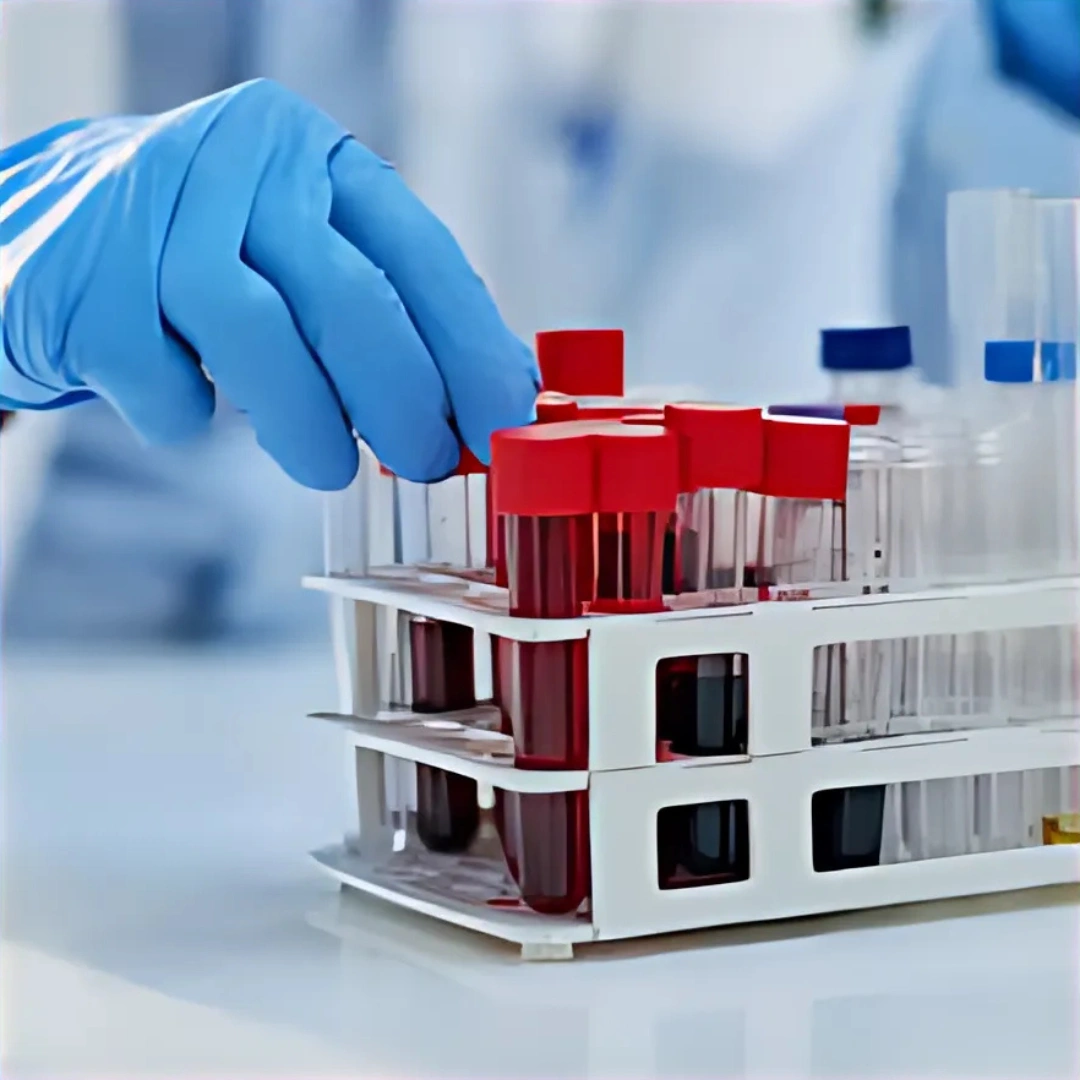
The panel involves routine blood draws. Risks are minimal and limited to mild pain, bruising, or dizziness at the puncture site, which are usually temporary.


Reviews
There are no reviews yet.