Fertility Profile 1.1
What it is
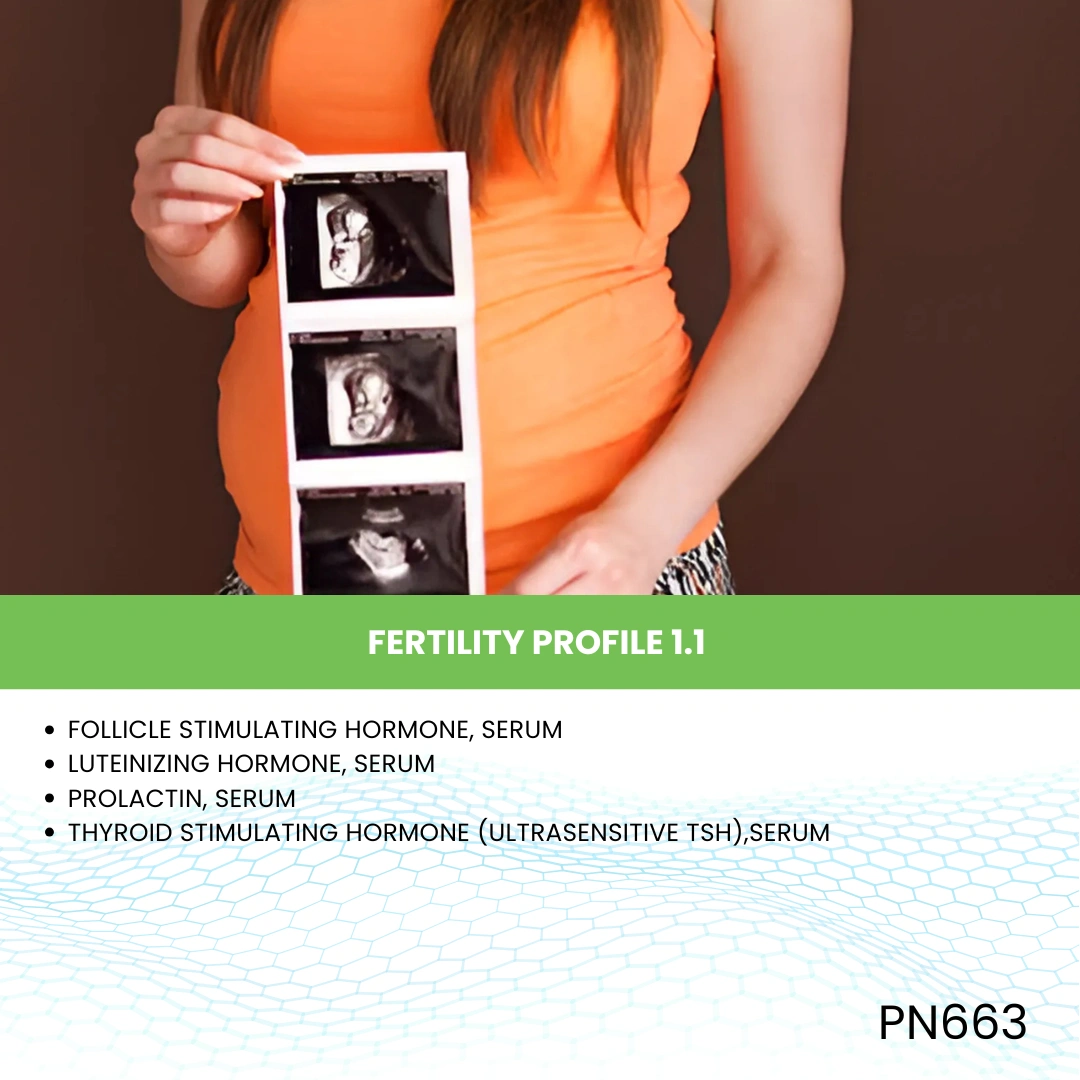
The Fertility Profile 1.1 is a comprehensive set of blood tests designed to evaluate the hormonal and physiological factors that affect fertility in both men and women. By assessing reproductive hormones and related markers, this panel helps identify possible causes of infertility, menstrual irregularities, and hormonal imbalances that interfere with conception.
Uses
This profile is used as an initial fertility assessment for couples trying to conceive. It helps doctors diagnose ovulatory dysfunction, diminished ovarian reserve, polycystic ovary syndrome (PCOS), thyroid disorders, and other endocrine issues that can impact fertility. Depending on the laboratory, Fertility Profile 1.1 typically includes:
- FSH (Follicle Stimulating Hormone): Evaluates ovarian reserve and sperm production.
- LH (Luteinizing Hormone): Assesses ovulation and reproductive hormone balance.
- Estradiol (E2): Measures ovarian estrogen production.
- AMH (Anti-Müllerian Hormone): Reflects ovarian reserve and egg supply.
- Prolactin: Elevated levels may interfere with ovulation.
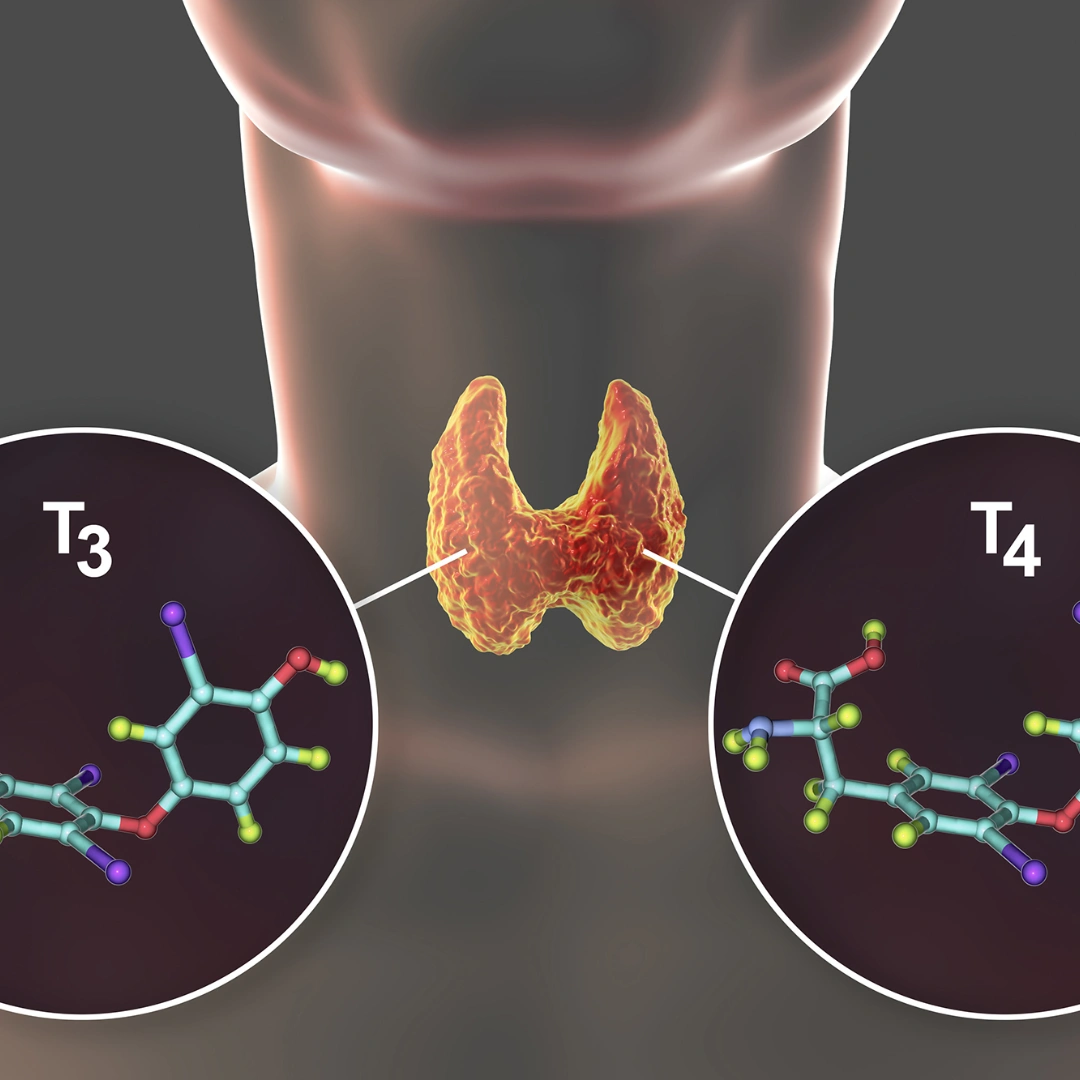
- TSH (Thyroid Stimulating Hormone): Detects thyroid dysfunction that may affect conception.
- Testosterone (in women): Helps assess for PCOS or androgen excess.
Symptoms That May Lead to the Test
Doctors may recommend Fertility Profile 1.1 if you have been trying to conceive without success for 6–12 months, experience irregular or absent menstrual cycles, recurrent miscarriages, symptoms of PCOS (such as acne, irregular periods, or excess hair growth), or suspected hormonal imbalance. In men, low libido, abnormal semen analysis, or low testosterone symptoms may prompt testing.
Abnormal Results
Hormonal Imbalances: Abnormal FSH, LH, or estradiol may suggest ovulatory dysfunction or ovarian reserve issues.
Thyroid Disorders: High or low TSH can interfere with ovulation and pregnancy maintenance.
Elevated Prolactin: May cause menstrual irregularities and reduced fertility.
AMH: Low AMH indicates diminished ovarian reserve, while high AMH is often associated with PCOS.
Risks
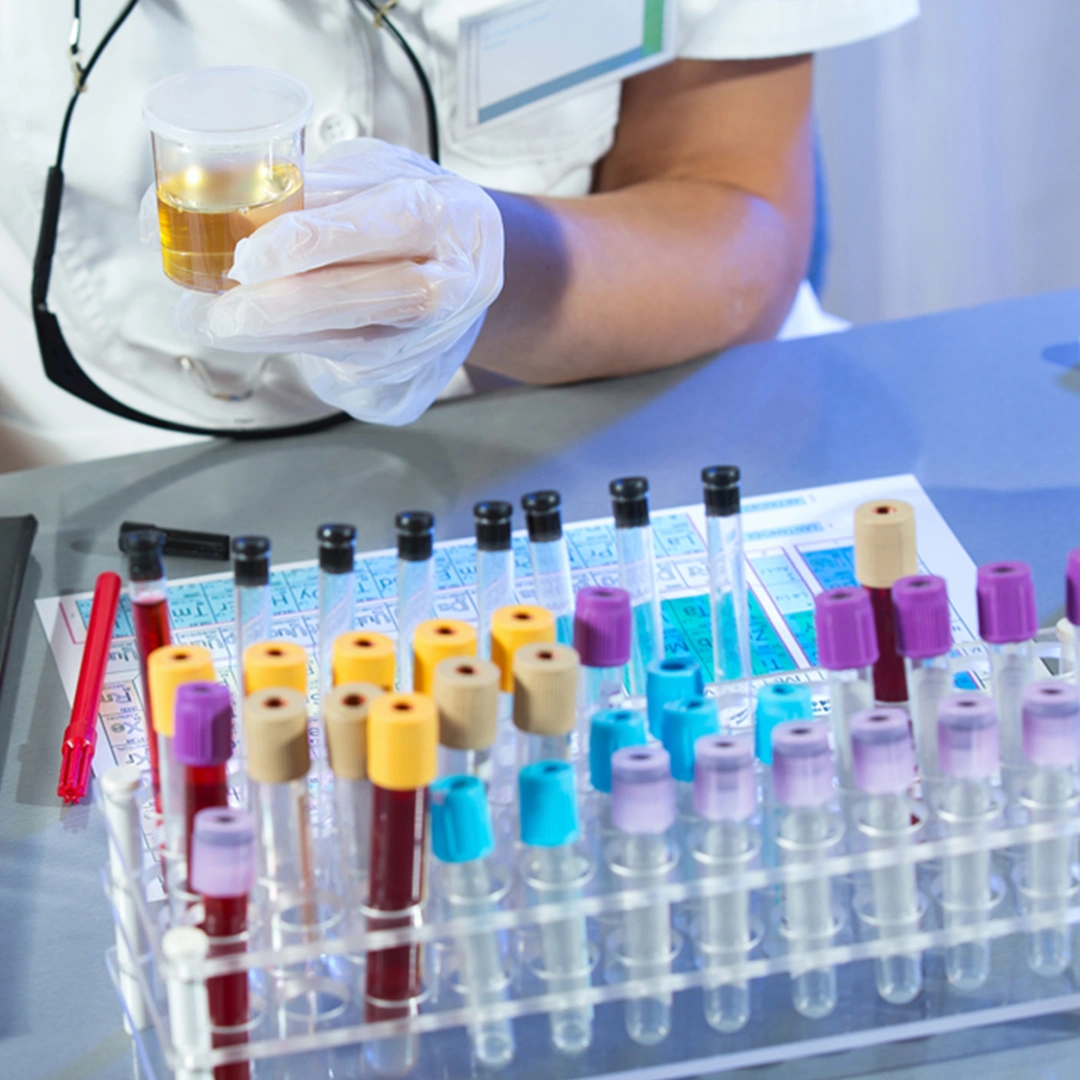
The panel requires routine blood tests. Risks are minimal, limited to mild bruising, discomfort, or dizziness at the puncture site, which usually resolve quickly.


Reviews
There are no reviews yet.