Fibrinogen
What it is
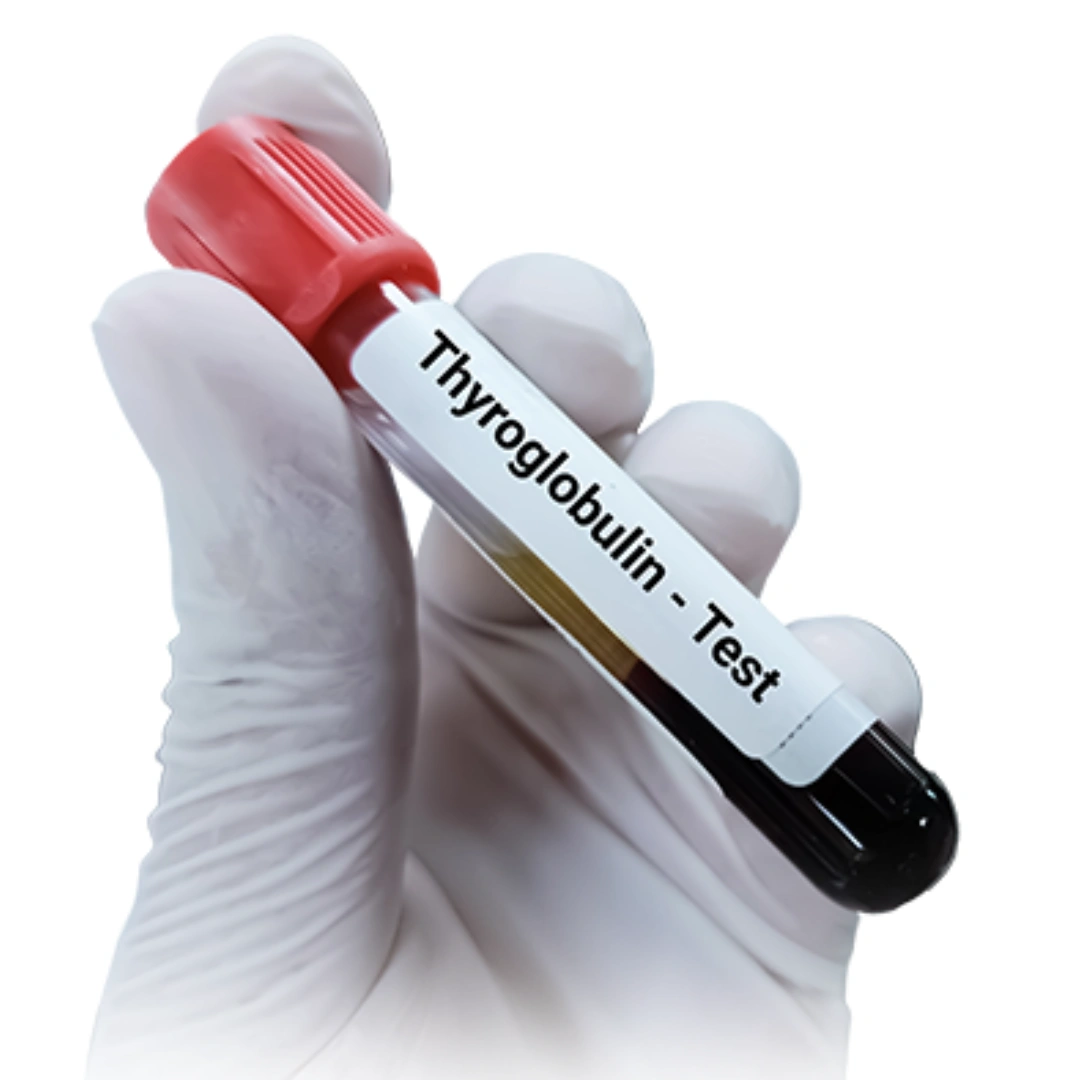
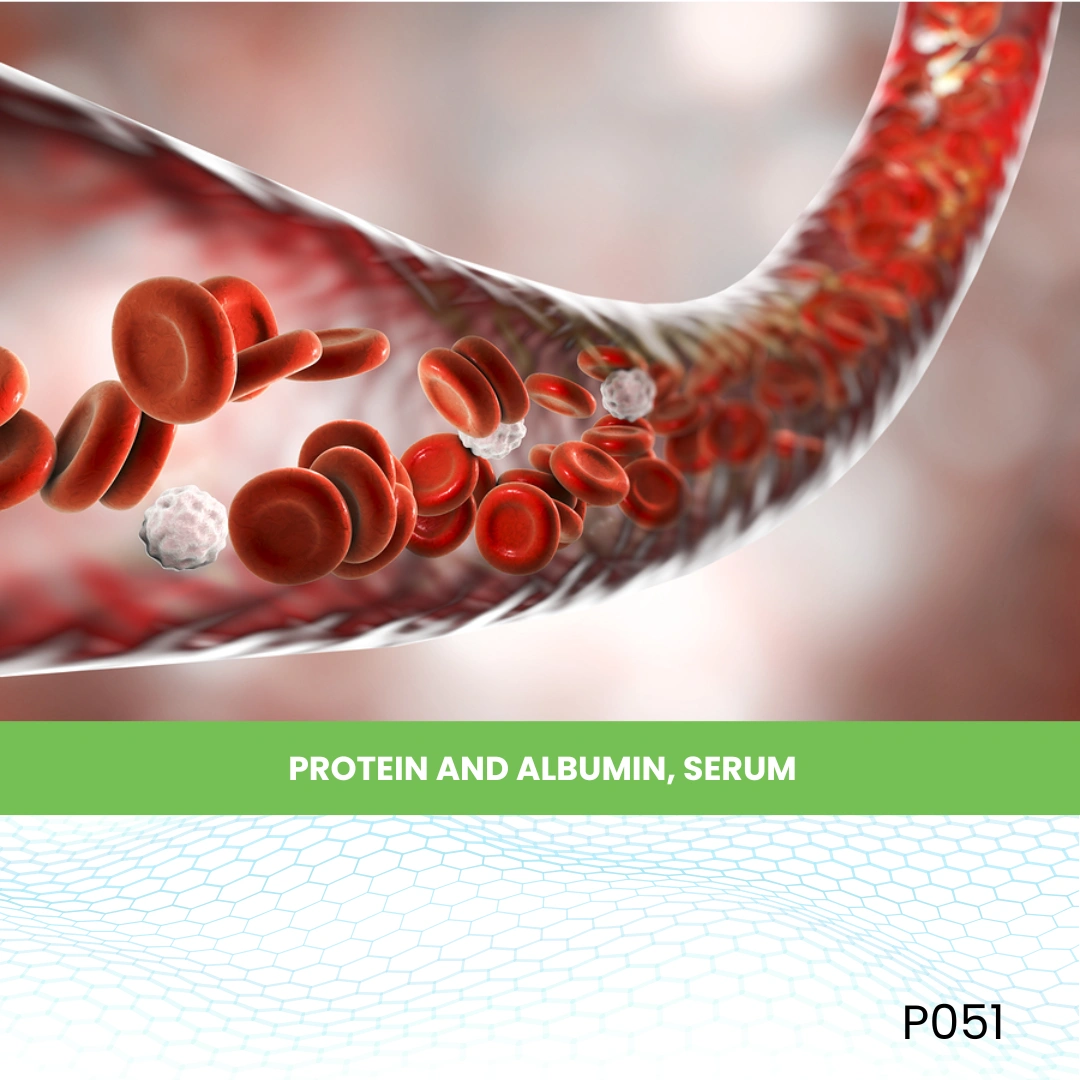
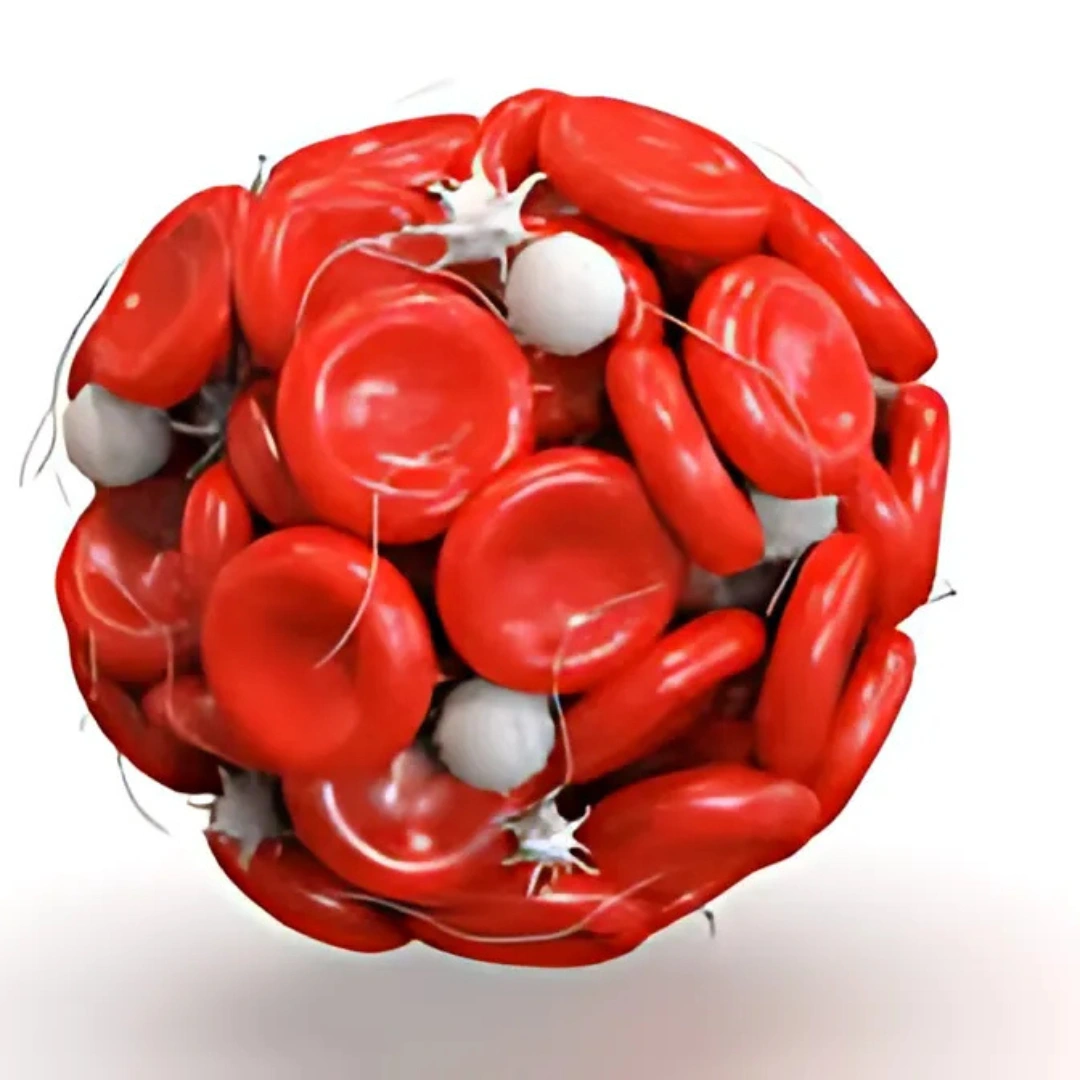
The Fibrinogen test measures the level of fibrinogen, a protein produced by the liver that plays a key role in blood clotting. During injury, fibrinogen is converted into fibrin, which helps form a stable clot to stop bleeding. Fibrinogen is also an acute-phase reactant, meaning its levels rise in response to inflammation, infection, or trauma.
Uses
This test is used to evaluate clotting function and detect abnormalities in bleeding or clotting disorders. Common uses include:
- Diagnosing suspected disseminated intravascular coagulation (DIC).
- Assessing unexplained bleeding or easy bruising.
- Monitoring fibrinogen levels in patients with liver disease.
- Evaluating risk of cardiovascular disease, as elevated fibrinogen may indicate higher clotting risk.
- Checking response to therapies in clotting disorders.
Symptoms That May Lead to the Test
Doctors may recommend a fibrinogen test if you present with unexplained or prolonged bleeding, frequent nosebleeds, heavy menstrual bleeding, easy bruising, blood clots, or symptoms of systemic conditions such as sepsis, liver dysfunction, or cardiovascular disease.
Abnormal Results
Low Fibrinogen: May indicate liver disease, inherited fibrinogen deficiency, disseminated intravascular coagulation (DIC), or excessive clot breakdown. This increases the risk of bleeding.
High Fibrinogen: May occur in acute infections, chronic inflammation, pregnancy, cancer, or trauma. Persistently high levels may increase the risk of thrombosis and cardiovascular disease.
Risks
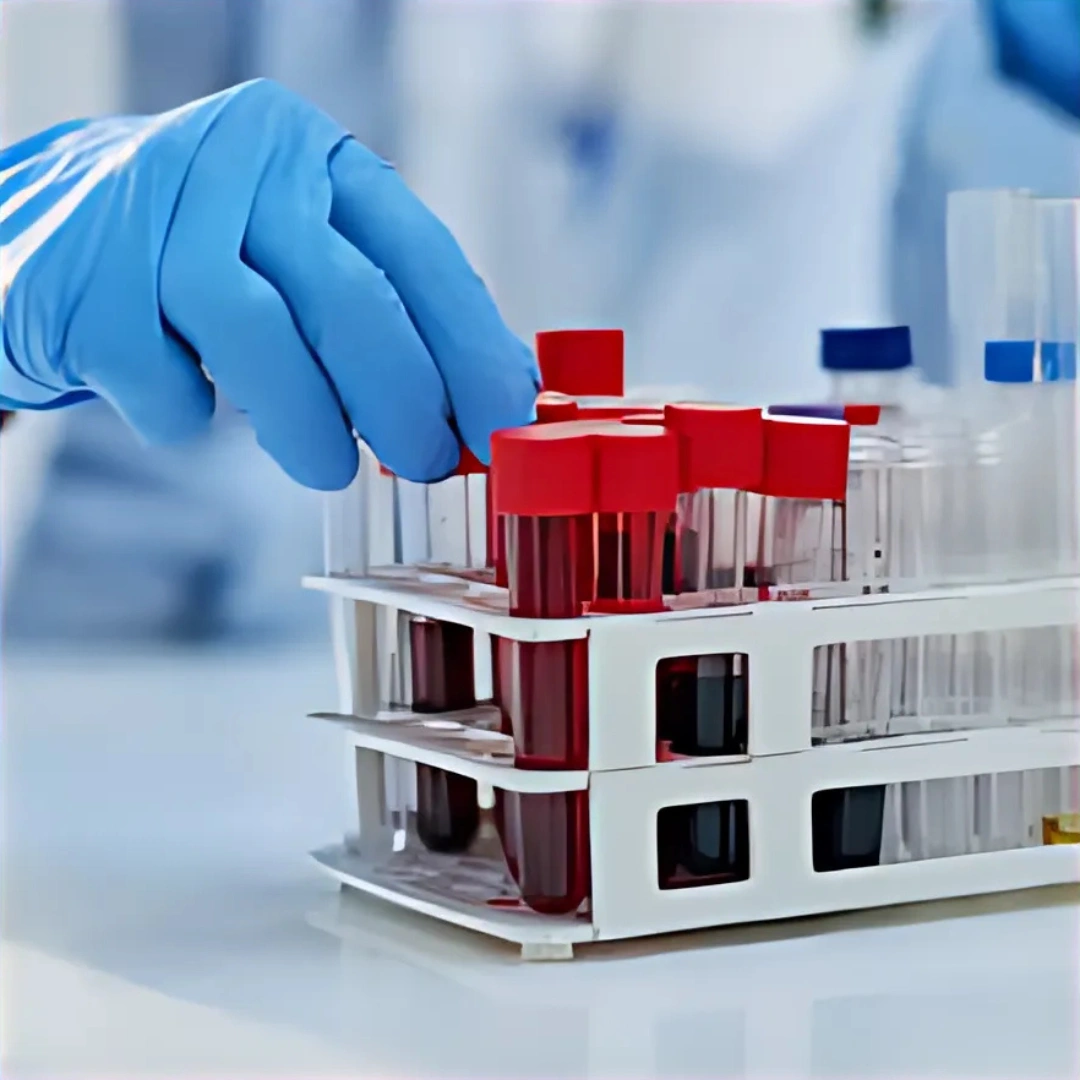
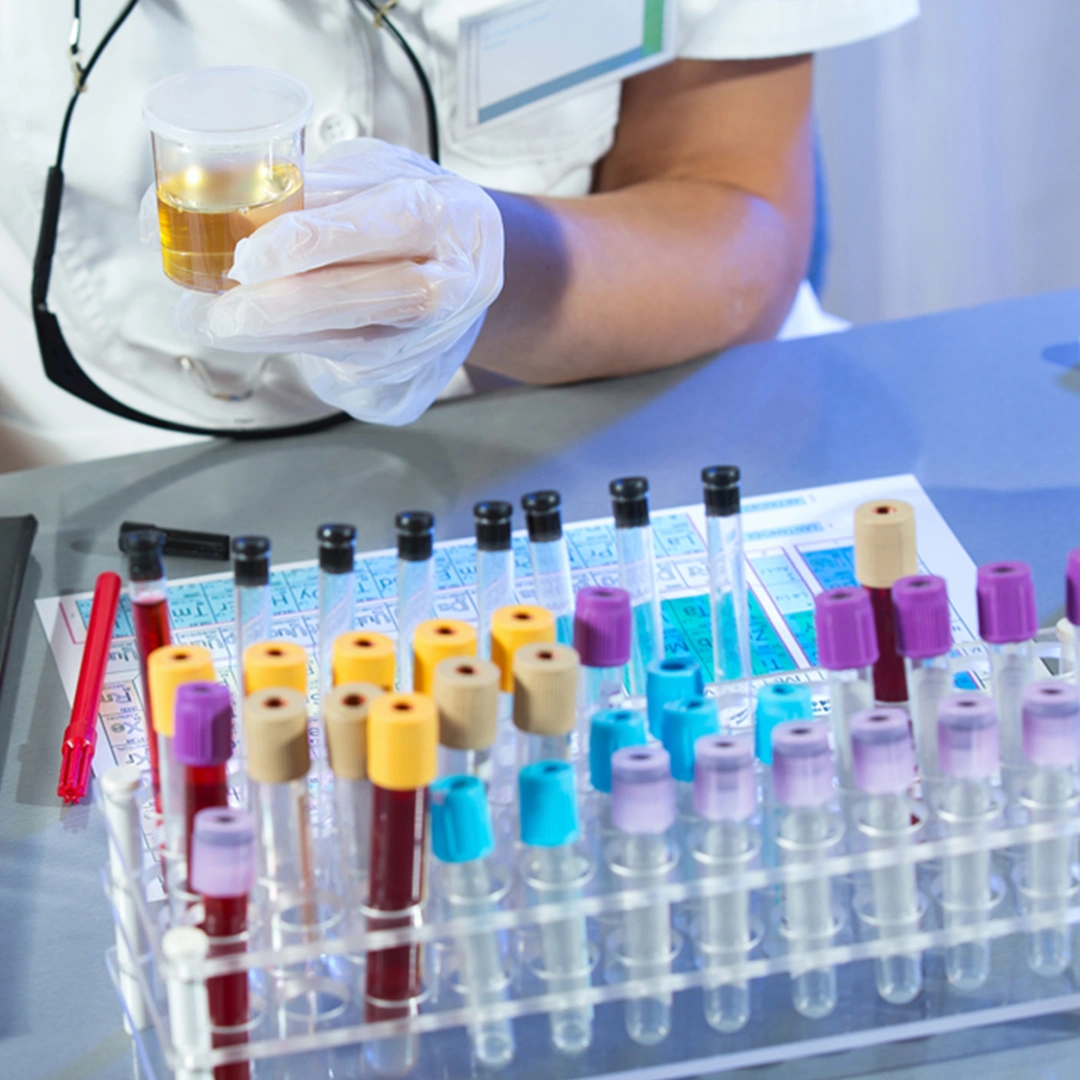
The test requires a standard blood sample. Risks are minimal, including mild pain, bruising, or dizziness at the puncture site, which are temporary and uncommon.


Reviews
There are no reviews yet.