FISH, ETO/AML1
What it is
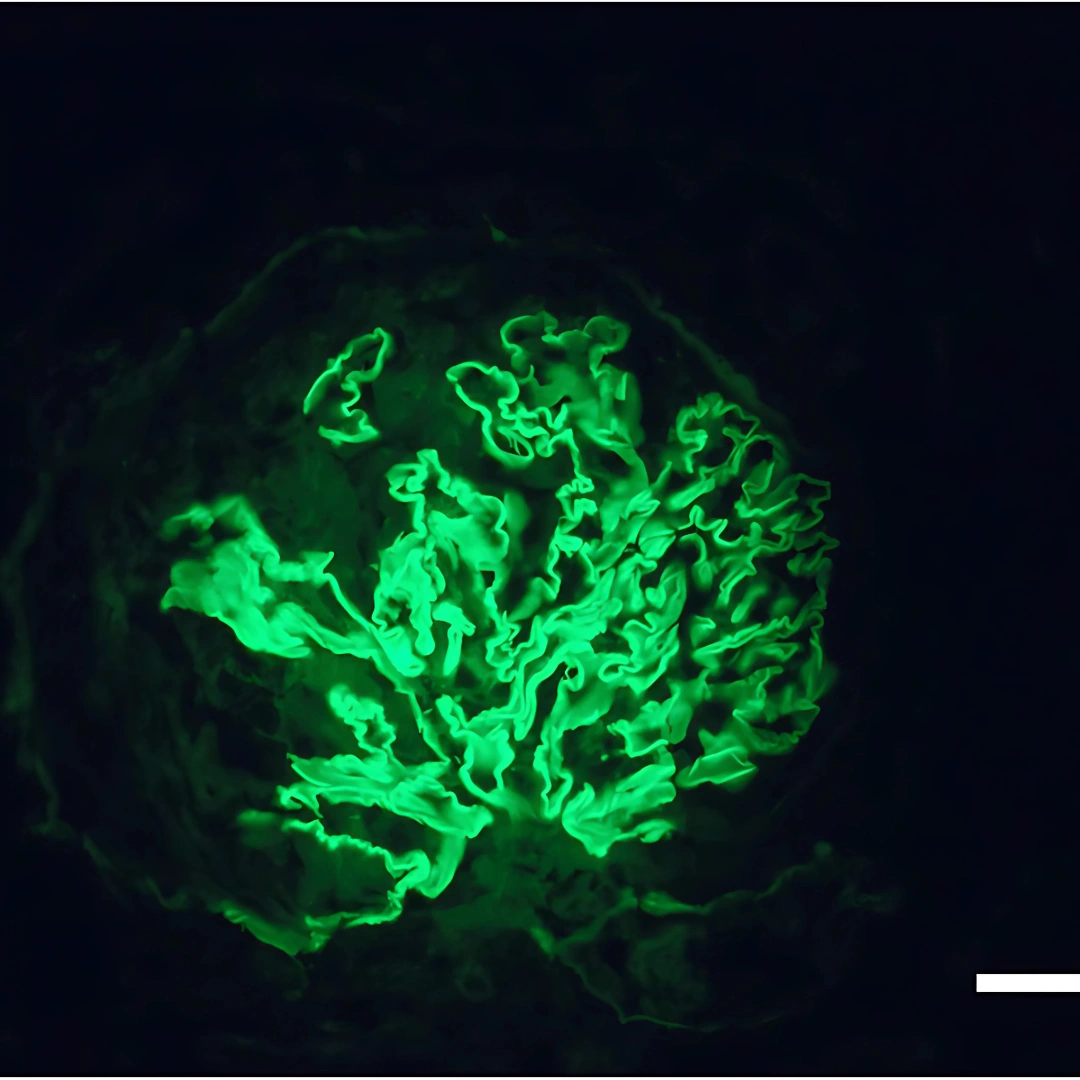
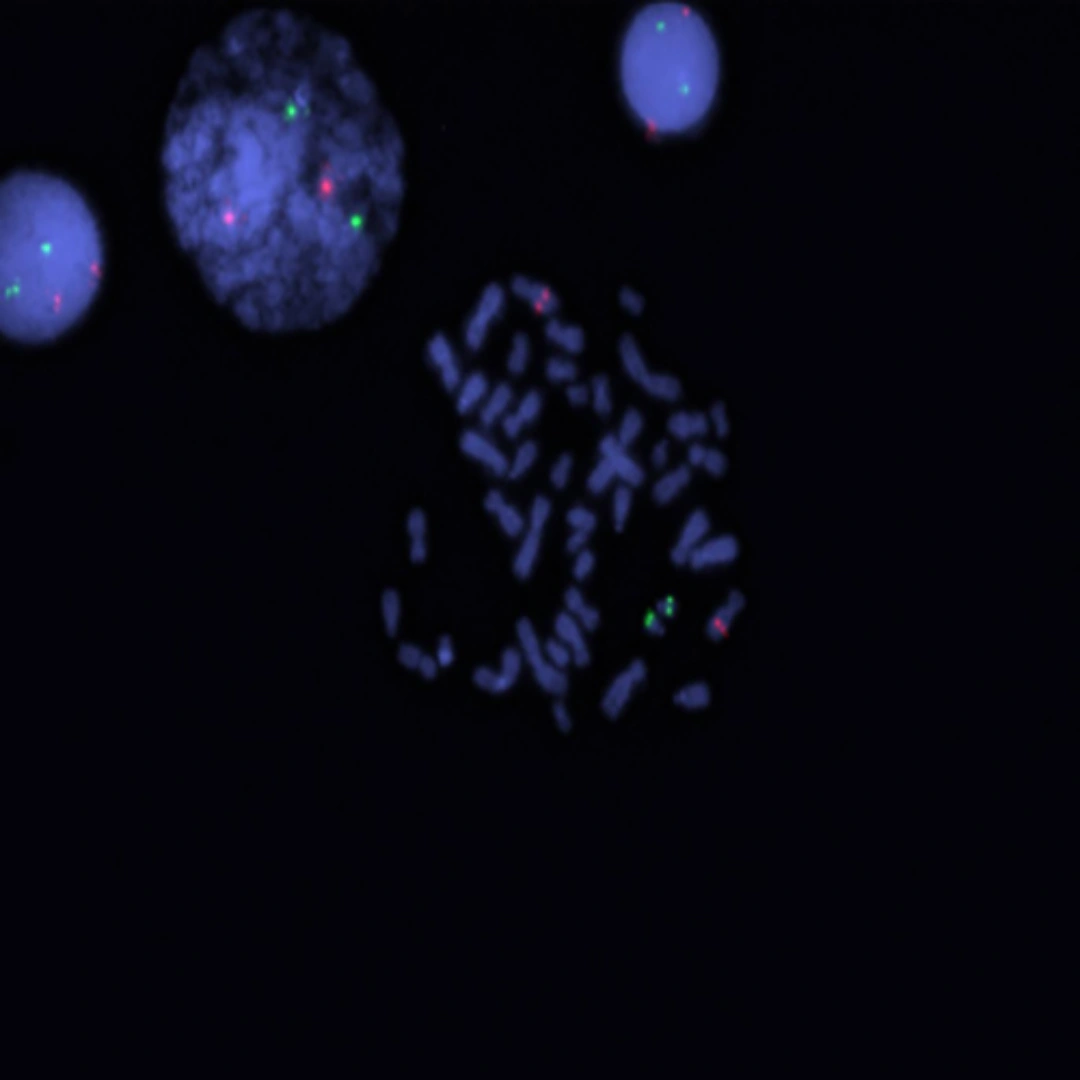
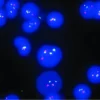
The FISH (Fluorescence In Situ Hybridization) for ETO/AML1 test is a specialized genetic test that detects the translocation t(8;21), which involves the AML1 (RUNX1) gene on chromosome 21 and the ETO (RUNX1T1) gene on chromosome 8. This chromosomal rearrangement is one of the most common genetic abnormalities seen in acute myeloid leukemia (AML), particularly in the subtype AML with maturation (FAB M2). The FISH technique uses fluorescent probes to directly visualize this fusion in blood or bone marrow cells.
Uses
This test is highly valuable in the diagnosis and monitoring of AML. It is used to:
- Confirm the presence of the AML1-ETO (RUNX1-RUNX1T1) fusion gene in suspected AML cases.
- Classify AML into subtypes for prognosis and treatment planning.
- Monitor response to chemotherapy and detect minimal residual disease (MRD).
- Guide prognosis, as t(8;21) AML is often associated with a relatively favorable outcome compared to other AML subtypes.
Symptoms That May Lead to the Test
Doctors may recommend this test if you show signs of acute leukemia such as persistent fatigue, frequent infections, easy bruising or bleeding, bone pain, pale skin, shortness of breath, or abnormal blood counts (anemia, thrombocytopenia, leukocytosis). It is particularly ordered when AML is suspected on bone marrow or peripheral smear findings.
Abnormal Results
Positive for AML1-ETO Fusion: Confirms the presence of the t(8;21) translocation and diagnosis of a specific AML subtype. This information is critical for prognosis and treatment decisions.
Negative for AML1-ETO Fusion: Suggests absence of the translocation. Other cytogenetic or molecular tests may be needed to detect different mutations or abnormalities in AML.
Risks
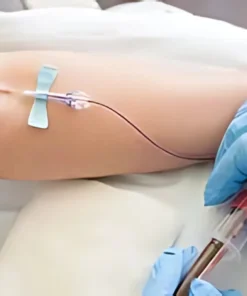
The test requires a blood or bone marrow sample. Risks are minimal for blood sampling, such as mild pain or bruising. For bone marrow aspiration, risks include soreness, bleeding, or discomfort at the puncture site, though serious complications are rare.


Reviews
There are no reviews yet.