Fragile X Chromosome Test
What it is
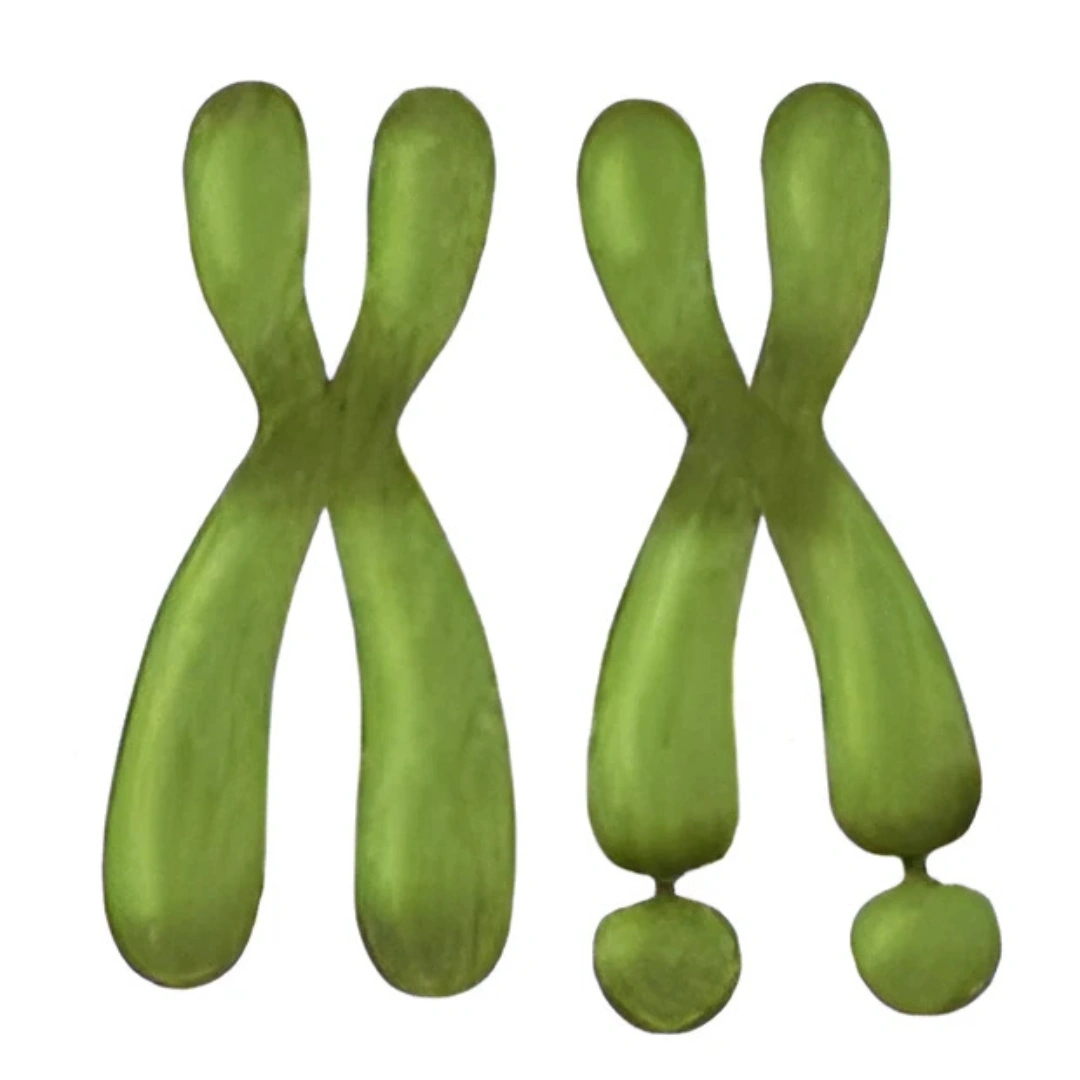
The Fragile X Chromosome test is a genetic test that detects mutations in the FMR1 gene located on the X chromosome. Fragile X syndrome is the most common inherited cause of intellectual disability and autism spectrum disorders. The test identifies the presence of a CGG trinucleotide repeat expansion in the FMR1 gene, which disrupts normal protein production and affects brain development.
Uses
This test is used to:
- Diagnose Fragile X syndrome in individuals with developmental delay, learning disabilities, or autism-like behaviors.
- Identify carriers of Fragile X mutations, especially women at risk of passing it on to children.
- Assist in family planning and genetic counseling.
- Evaluate unexplained cases of infertility, premature ovarian failure, or early menopause in women (associated with Fragile X premutation carriers).
- Investigate tremor/ataxia syndrome (FXTAS) in older adults carrying premutations.
Symptoms That May Lead to the Test
Doctors may recommend this test if you or your child show signs such as delayed speech, intellectual disability, hyperactivity, autism spectrum behaviors, anxiety, seizures, large ears, long face, prominent jaw, or macroorchidism (enlarged testes in males). Family history of intellectual disability or unexplained developmental disorders may also warrant testing.
Abnormal Results
Full Mutation: More than 200 CGG repeats in the FMR1 gene confirms Fragile X syndrome.
Premutation: Between 55–200 CGG repeats. Individuals may not have Fragile X syndrome but are at risk for FXTAS or premature ovarian failure, and can pass the mutation to children.
Intermediate/Gray Zone: 45–54 repeats. Usually no symptoms but may expand in future generations.
Normal: Fewer than 45 CGG repeats, not associated with Fragile X-related disorders.
Risks
The test requires a standard blood sample or, in some cases, a cheek swab. Risks are minimal, limited to mild pain, bruising, or dizziness from blood collection. Genetic counseling is recommended due to the complex inheritance and implications of test results.


Reviews
There are no reviews yet.