Free Tri-iodothyronine (FT3), Serum
What it is
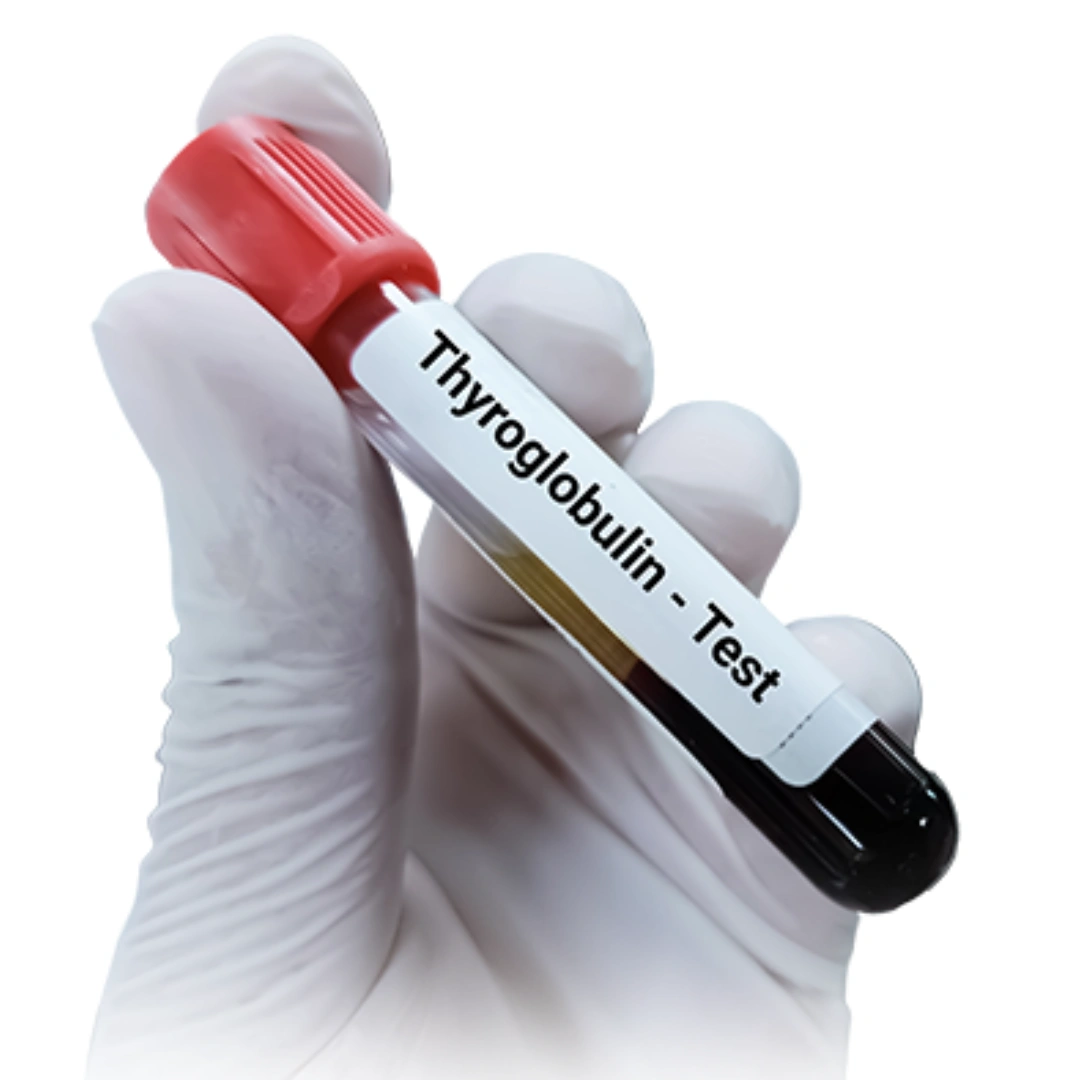
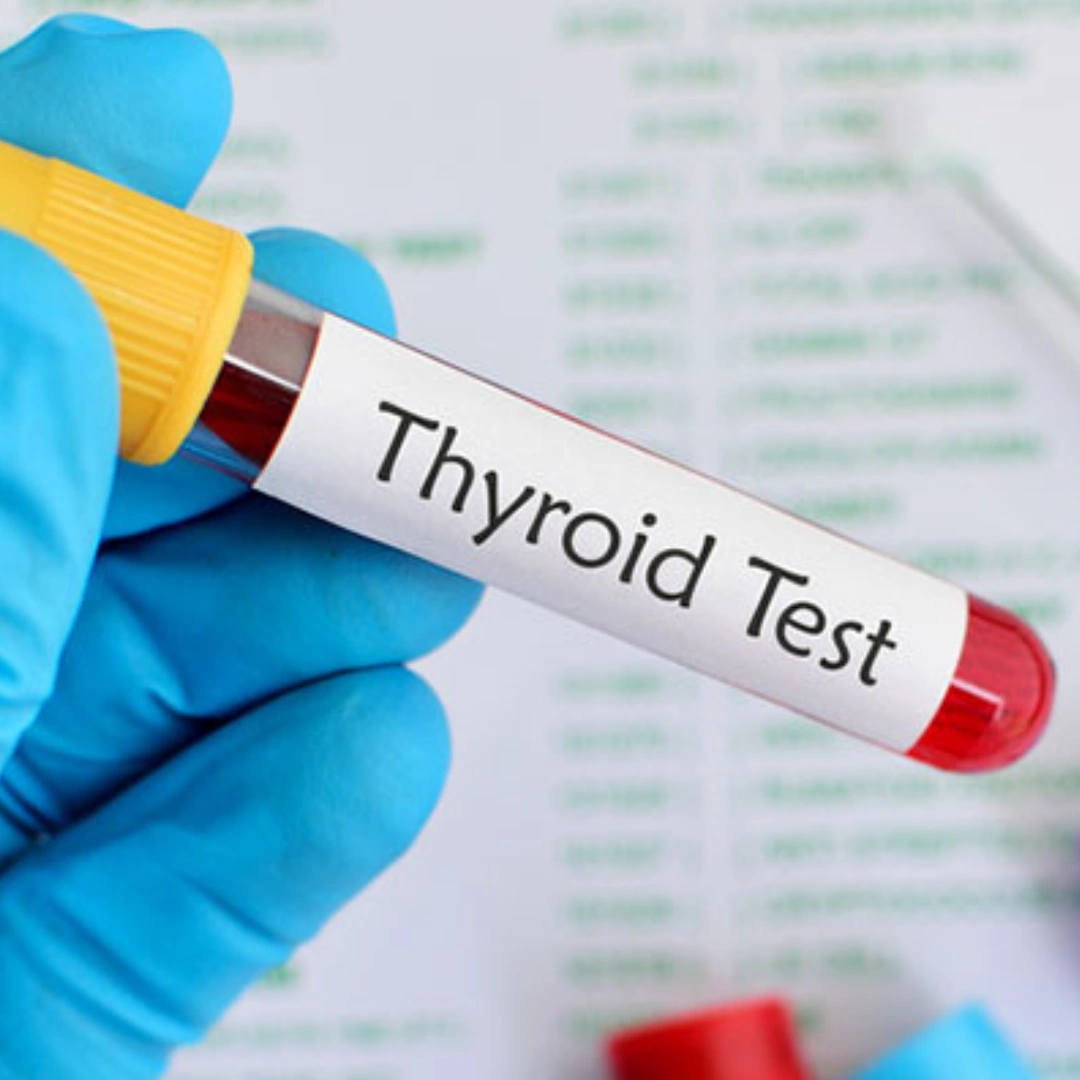
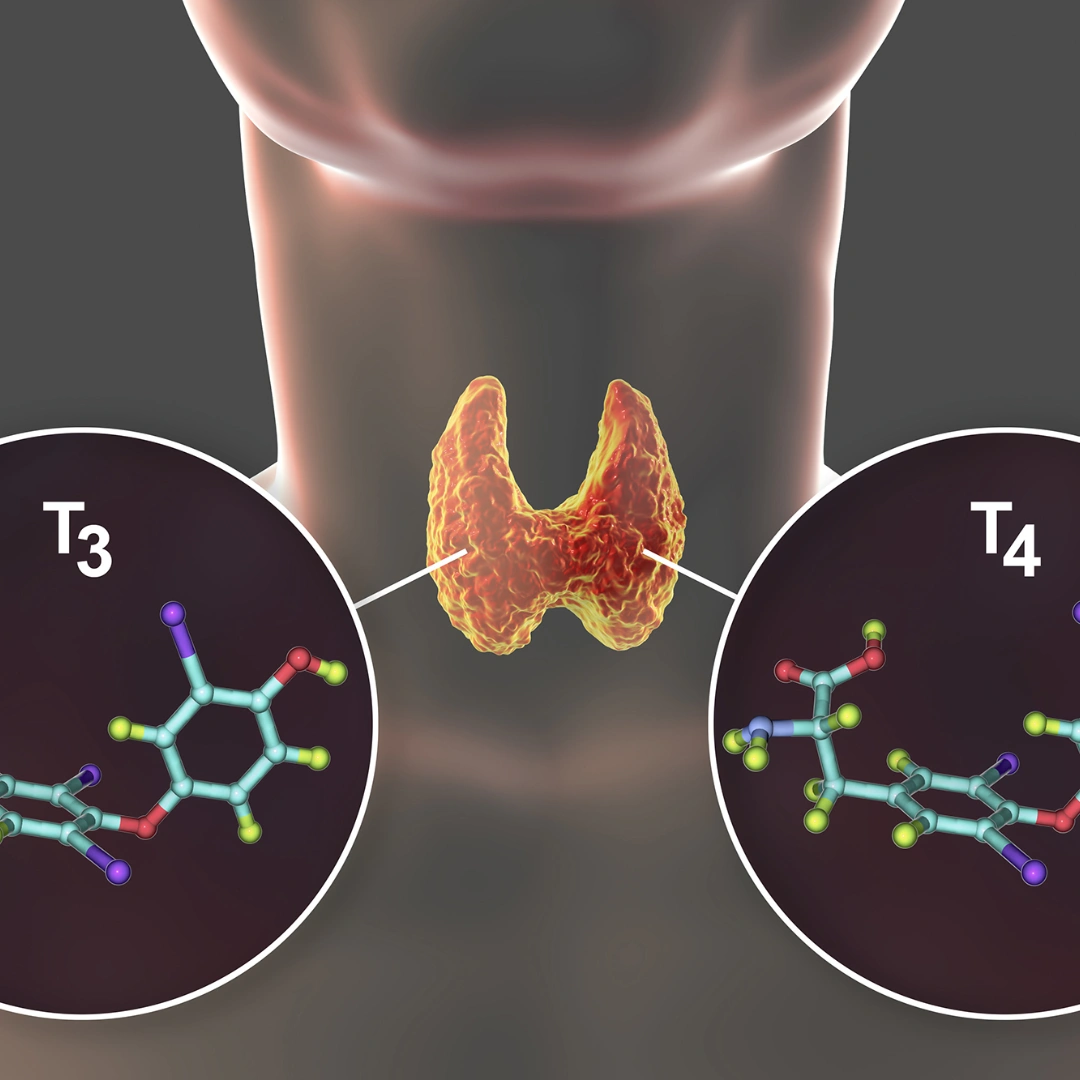
The Free Tri-iodothyronine (FT3), Serum test measures the level of free (unbound) triiodothyronine in the blood. FT3 is one of the two main hormones produced by the thyroid gland, along with thyroxine (T4). Unlike total T3, the FT3 test measures only the biologically active hormone available to tissues, providing a more accurate assessment of thyroid function.
Uses
This test is used to evaluate thyroid gland activity and is often ordered with TSH and Free T4. It helps in:
- Diagnosing hyperthyroidism (overactive thyroid).
- Monitoring thyroid hormone replacement or anti-thyroid therapy.
- Assessing pituitary gland function and its regulation of thyroid hormones.
- Investigating unexplained weight changes, energy imbalance, or heart irregularities.
Symptoms That May Lead to the Test
Doctors may recommend an FT3 test if you have symptoms of thyroid dysfunction:
- Hyperthyroidism: Unexplained weight loss, rapid heartbeat, anxiety, heat intolerance, sweating, tremors, frequent bowel movements, insomnia.
- Hypothyroidism (less commonly diagnosed by FT3): Fatigue, weight gain, constipation, cold intolerance, depression, slow heart rate.
Abnormal Results
High FT3 Levels: Suggest hyperthyroidism, often due to Graves’ disease, thyroid nodules, or thyroiditis. May also indicate overuse of thyroid hormone medication.
Low FT3 Levels: May be seen in hypothyroidism, severe illness (low T3 syndrome), or pituitary/hypothalamic dysfunction. In some cases, FT3 may remain normal while FT4 and TSH show abnormalities.
Risks
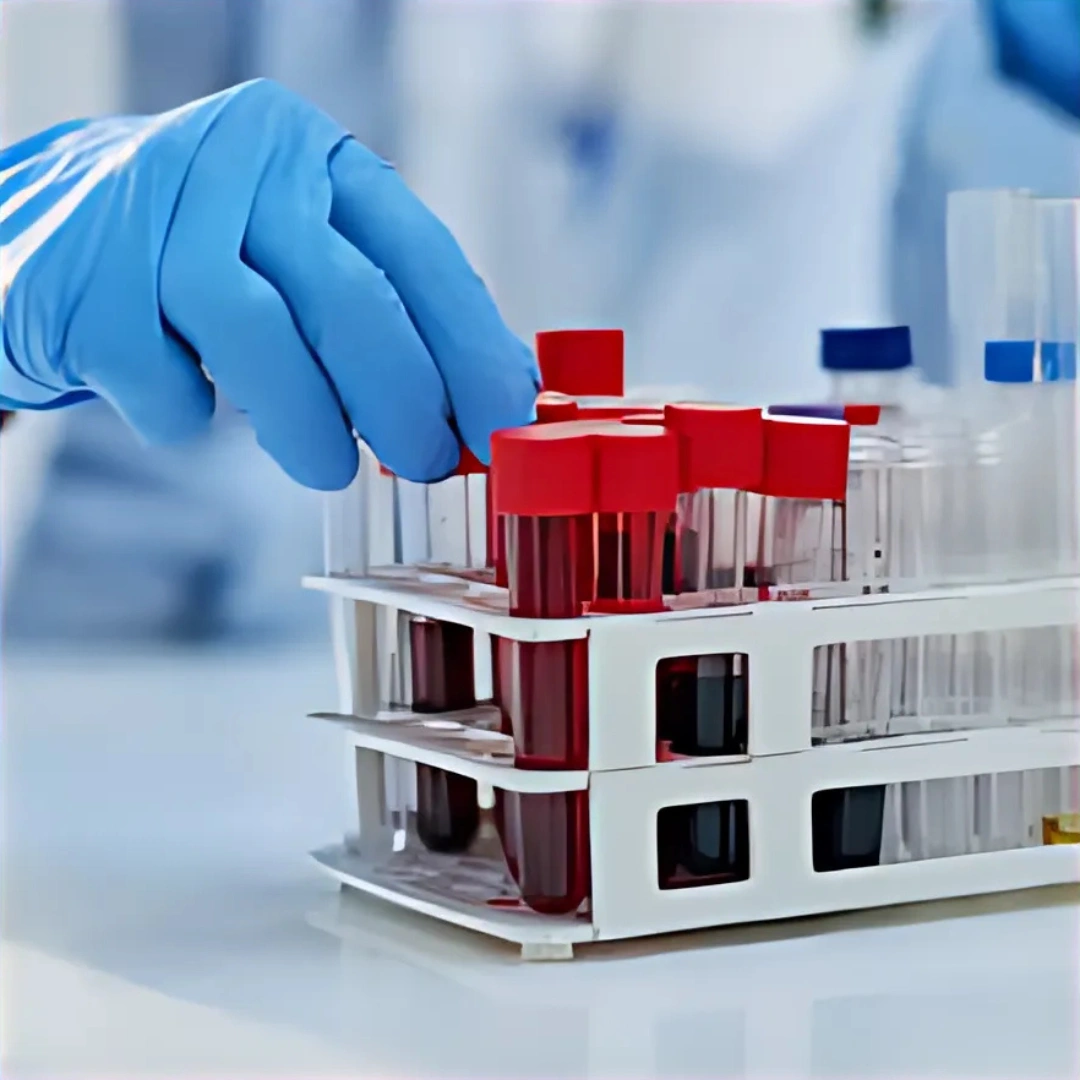
The FT3 test requires a standard blood draw. Risks are minimal and may include mild pain, bruising, or dizziness at the puncture site, which are temporary and uncommon.


Reviews
There are no reviews yet.