Fructosamine
What it is
The Fructosamine test measures the level of glycated proteins (primarily albumin) in the blood. It reflects average blood glucose levels over the past 2–3 weeks, making it a useful alternative to the HbA1c test in certain situations. Unlike HbA1c, which shows long-term control, fructosamine gives a shorter-term picture of blood sugar management.
Uses
This test is commonly used in the management of diabetes and other conditions affecting glucose metabolism. It helps to:
- Monitor short-term blood sugar control (over 2–3 weeks).
- Evaluate treatment adjustments in newly diagnosed or uncontrolled diabetes.
- Monitor pregnant women with gestational diabetes.
- Provide an alternative to HbA1c testing in patients with conditions affecting red blood cells (e.g., anemia, hemoglobin variants, recent blood transfusion).
Symptoms That May Lead to the Test
Your doctor may recommend a fructosamine test if you have diabetes with frequent changes in treatment, gestational diabetes, or if HbA1c results are unreliable due to anemia, kidney disease, or other blood disorders. It may also be used for closer monitoring if blood sugar levels fluctuate widely.
Abnormal Results
High Fructosamine Levels: Suggest poor blood sugar control over the past 2–3 weeks, indicating uncontrolled or worsening diabetes.
Low/Normal Fructosamine Levels: Indicate good short-term blood sugar control. Very low levels may occur in conditions with low protein levels (e.g., liver disease, nephrotic syndrome).
Risks
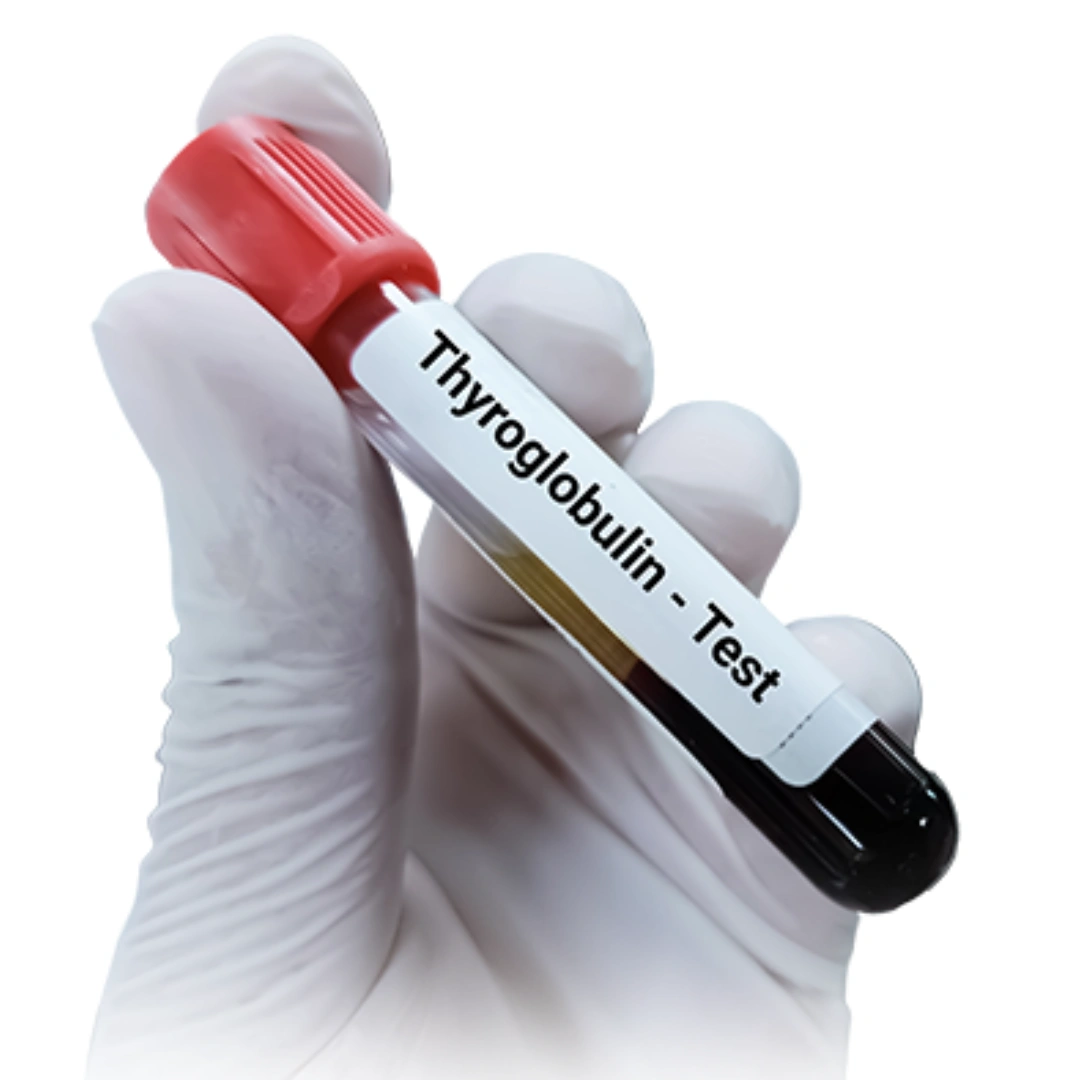
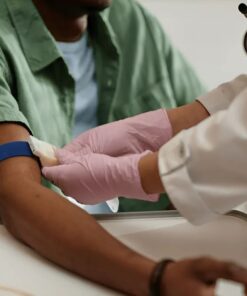
The test requires a routine blood draw. Risks are minimal and may include mild pain, bruising, or dizziness at the puncture site. These effects are temporary and uncommon.


Reviews
There are no reviews yet.