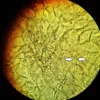
Fungal Smear Examination
What it is
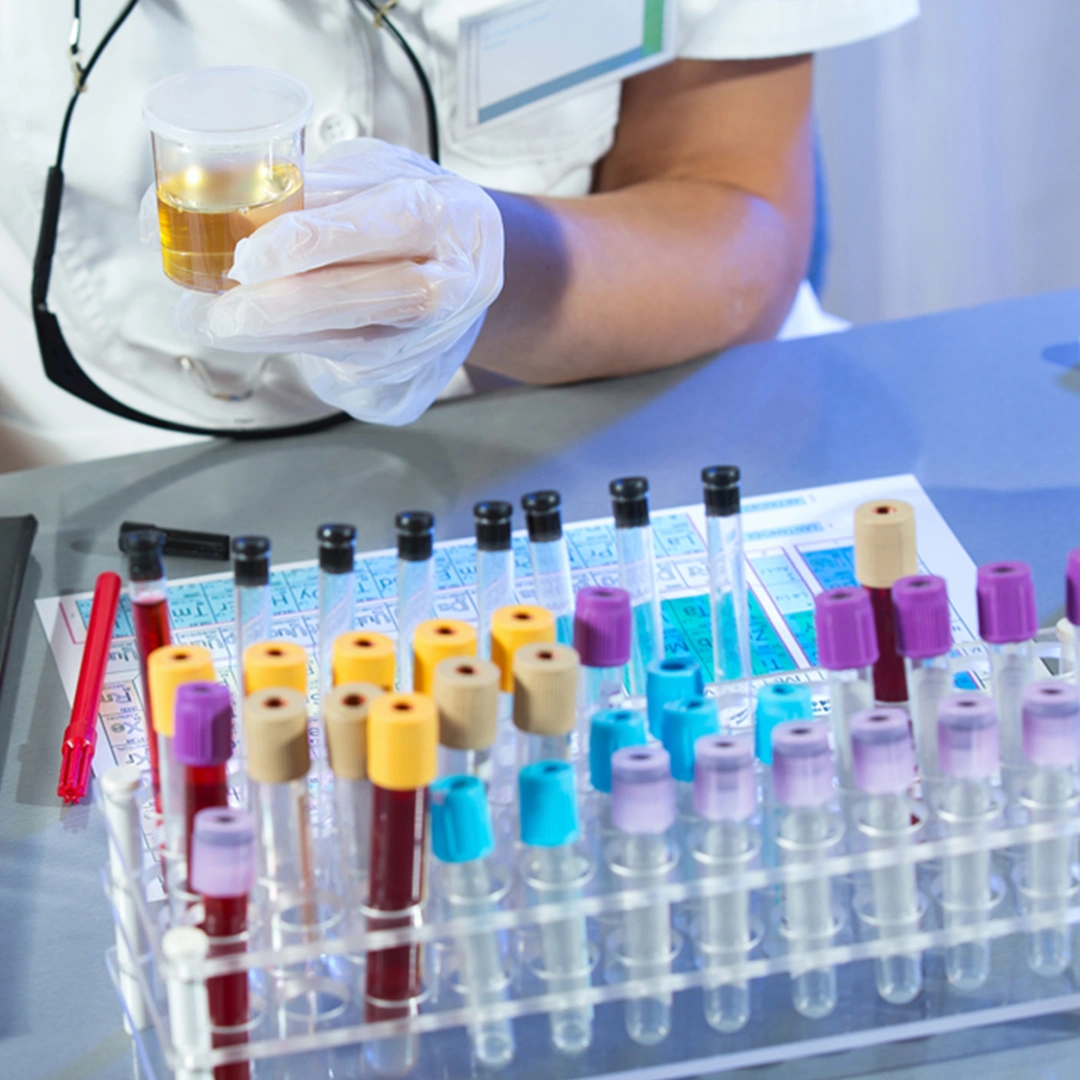
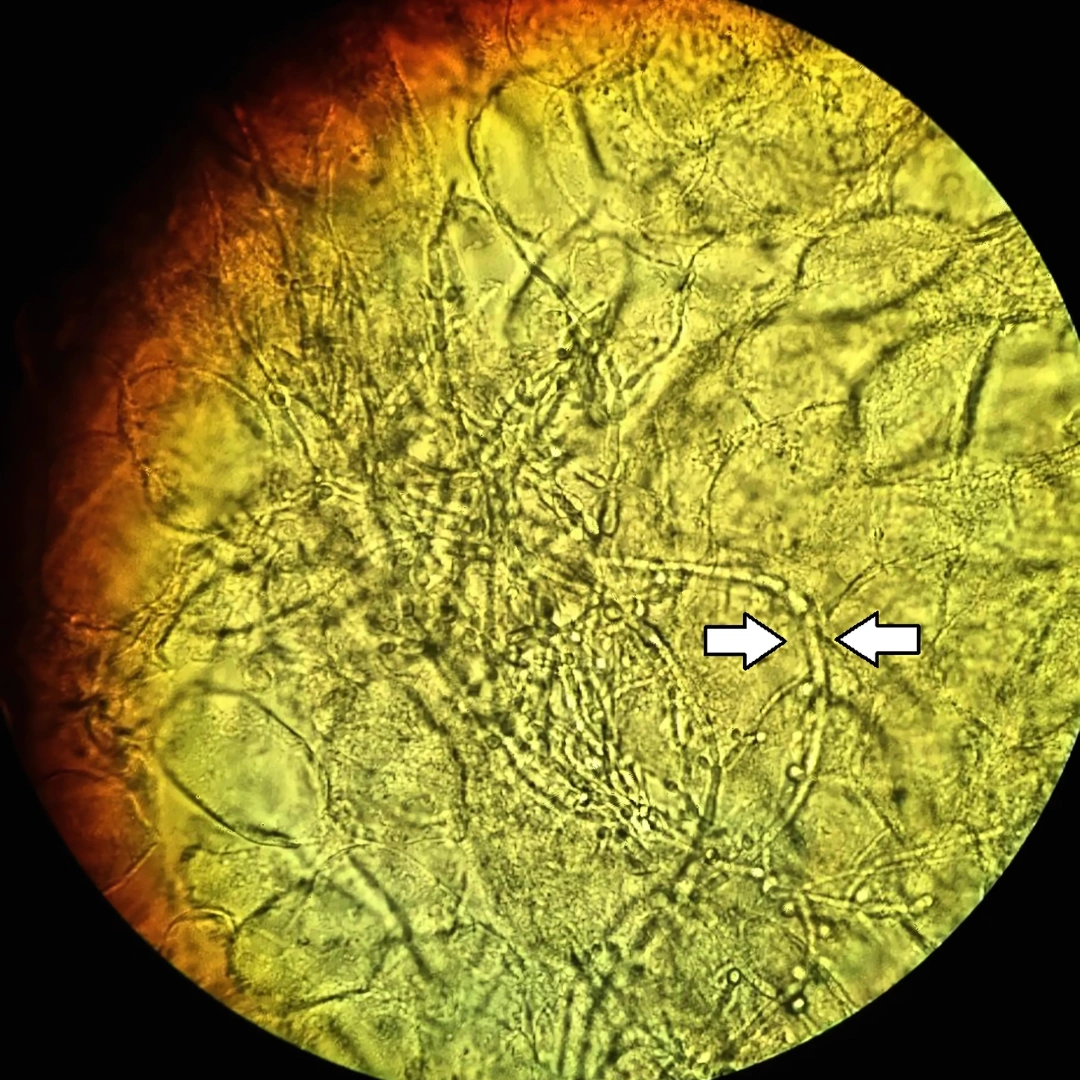
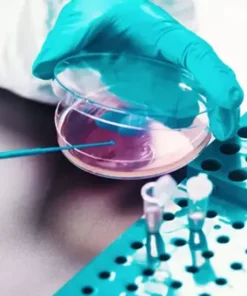
The Fungal Smear Examination is a microscopic test performed on clinical specimens such as skin scrapings, nail clippings, sputum, pus, or body fluids to detect fungal elements. A potassium hydroxide (KOH) preparation or special fungal stains are typically used to dissolve surrounding material and highlight fungal structures like hyphae, spores, or yeast cells.
Uses
This test is used to provide a rapid, first-line diagnosis of fungal infections. It helps in:
- Identifying dermatophyte infections (skin, hair, nail fungi).
- Detecting yeast infections (e.g., Candida).
- Screening for systemic fungal infections in respiratory samples or body fluids.
- Guiding early antifungal therapy while culture results are pending.
Symptoms That May Lead to the Test
Doctors may recommend this test if you present with persistent itching, scaling or discolored skin patches, brittle or thickened nails, oral or vaginal thrush, chronic cough with sputum, non-healing wounds, or symptoms suggesting a systemic fungal infection.
Abnormal Results
Positive Smear: Detection of fungal hyphae, budding yeast, or spores confirms a fungal infection. However, species identification usually requires culture or molecular testing.
Negative Smear: Indicates no fungal elements seen, but does not completely rule out fungal infection. If suspicion remains high, fungal culture or PCR-based methods may be recommended.
Risks
The risks depend on the specimen collected. Skin, hair, or nail scrapings have no risks. Sputum or swab collection carries minimal discomfort. More invasive sample collection (e.g., tissue biopsy, fluid aspiration) may involve minor risks like pain, bleeding, or infection at the site, but serious complications are rare.


Reviews
There are no reviews yet.