Fungal Susceptibility (for Yeast)
What it is
The Fungal Susceptibility (for Yeast) test is a laboratory analysis performed on yeast isolates, most commonly Candida species, to determine which antifungal medications are effective against the infection. After the yeast is grown in culture, it is exposed to different antifungal drugs, and the results show whether the yeast is sensitive, intermediate, or resistant to each medication.
Uses
This test is crucial for guiding antifungal therapy, especially in serious or recurrent yeast infections. It helps to:
- Identify the most effective antifungal treatment.
- Detect resistance to commonly used antifungal drugs (e.g., fluconazole, itraconazole, amphotericin B, echinocandins).
- Manage chronic or recurrent infections such as oral, vaginal, or systemic candidiasis.
- Support treatment decisions in immunocompromised patients (HIV, cancer therapy, transplant recipients).
Symptoms That May Lead to the Test
Doctors may order this test if you experience persistent or recurrent yeast infections such as oral thrush, vaginal candidiasis, urinary tract yeast infection, bloodstream fungal infections (candidemia), or if you are not responding to standard antifungal medications.
Abnormal Results
Resistant Result: Indicates the yeast will not respond well to certain antifungal drugs, requiring alternative treatment choices.
Sensitive Result: Confirms that the yeast infection can be effectively treated with specific antifungal medications.
Intermediate Result: Suggests limited or reduced effectiveness of the drug, which may require higher doses or combination therapy.
Risks
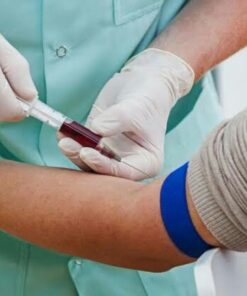
There are no direct risks to the patient, since the test is performed on a yeast isolate obtained from a culture. Risks may depend only on the initial specimen collection, such as blood draw, urine collection, swab, or tissue sample, which may involve minor discomfort or bruising.


Reviews
There are no reviews yet.