G-6-PD Activity Qualitative, Whole Blood
What it is
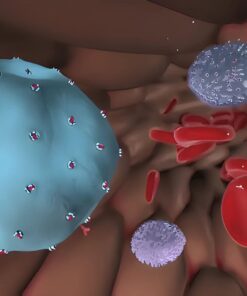
The G-6-PD (Glucose-6-Phosphate Dehydrogenase) Activity Qualitative test measures the presence and functional activity of the G-6-PD enzyme in red blood cells. This enzyme is essential for protecting red blood cells from oxidative stress. A deficiency can make red cells more vulnerable to breaking down (hemolysis), especially after exposure to certain medications, infections, or foods such as fava beans.
Uses
This test is commonly used to:
- Diagnose G-6-PD deficiency, an inherited genetic condition.
- Identify individuals at risk of hemolytic anemia triggered by drugs, infections, or foods.
- Screen newborns in high-prevalence regions for early detection of enzyme deficiency.
- Guide safe medication choices in patients with a history of hemolysis.
Symptoms That May Lead to the Test
Your doctor may recommend this test if you or your child experience signs of hemolytic anemia, such as sudden fatigue, pale skin, jaundice (yellowing of skin/eyes), dark-colored urine, rapid heartbeat, or unexplained episodes of weakness after certain exposures.
Abnormal Results
Deficient G-6-PD Activity: Confirms G-6-PD deficiency. Severity may vary depending on genetic variant. Patients are at risk of hemolysis when exposed to certain triggers (e.g., sulfa drugs, antimalarials, aspirin, infections, or fava beans).
Normal G-6-PD Activity: Suggests no enzyme deficiency. However, in acute hemolytic episodes or after transfusions, results may appear falsely normal due to the presence of younger red cells with higher enzyme activity.
Risks
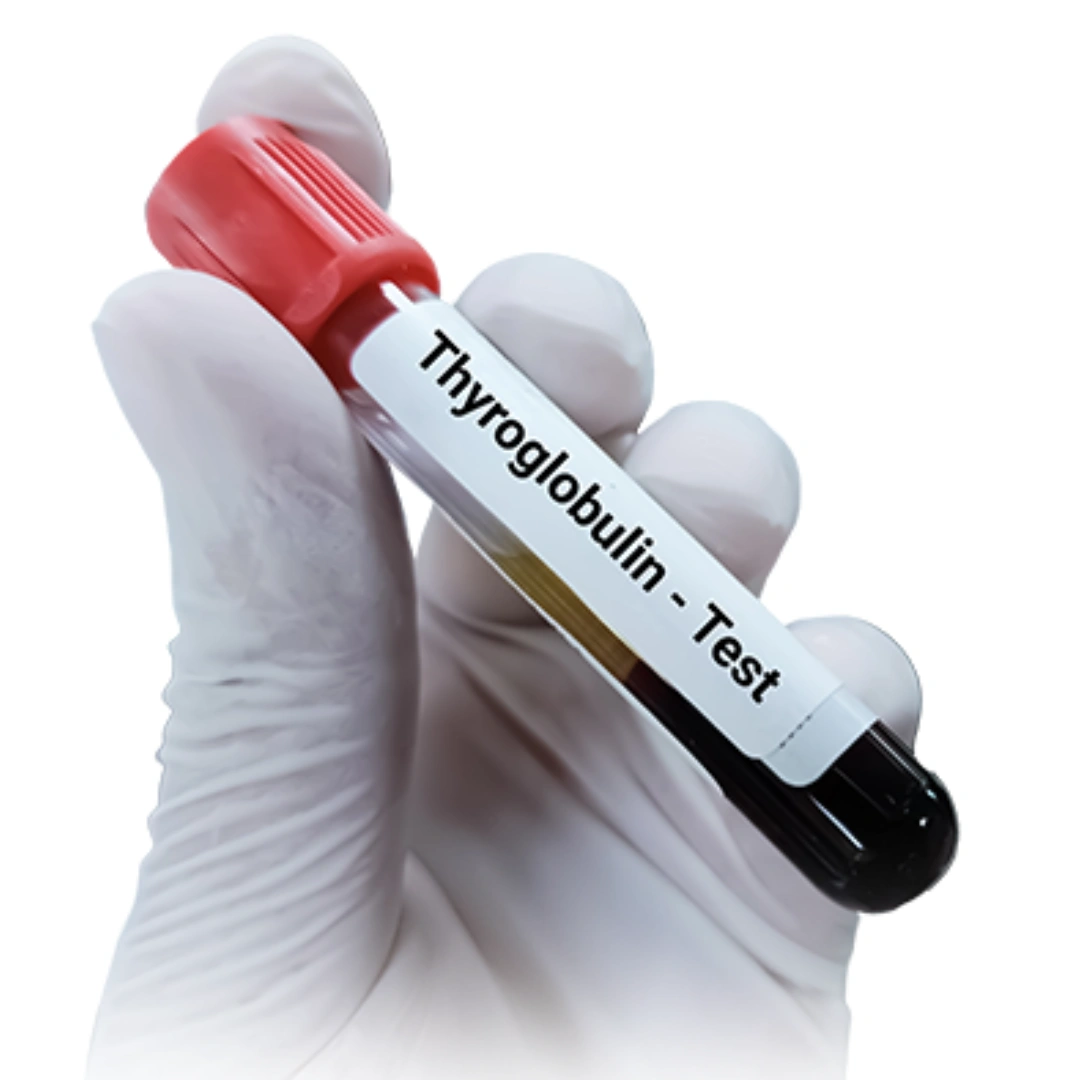
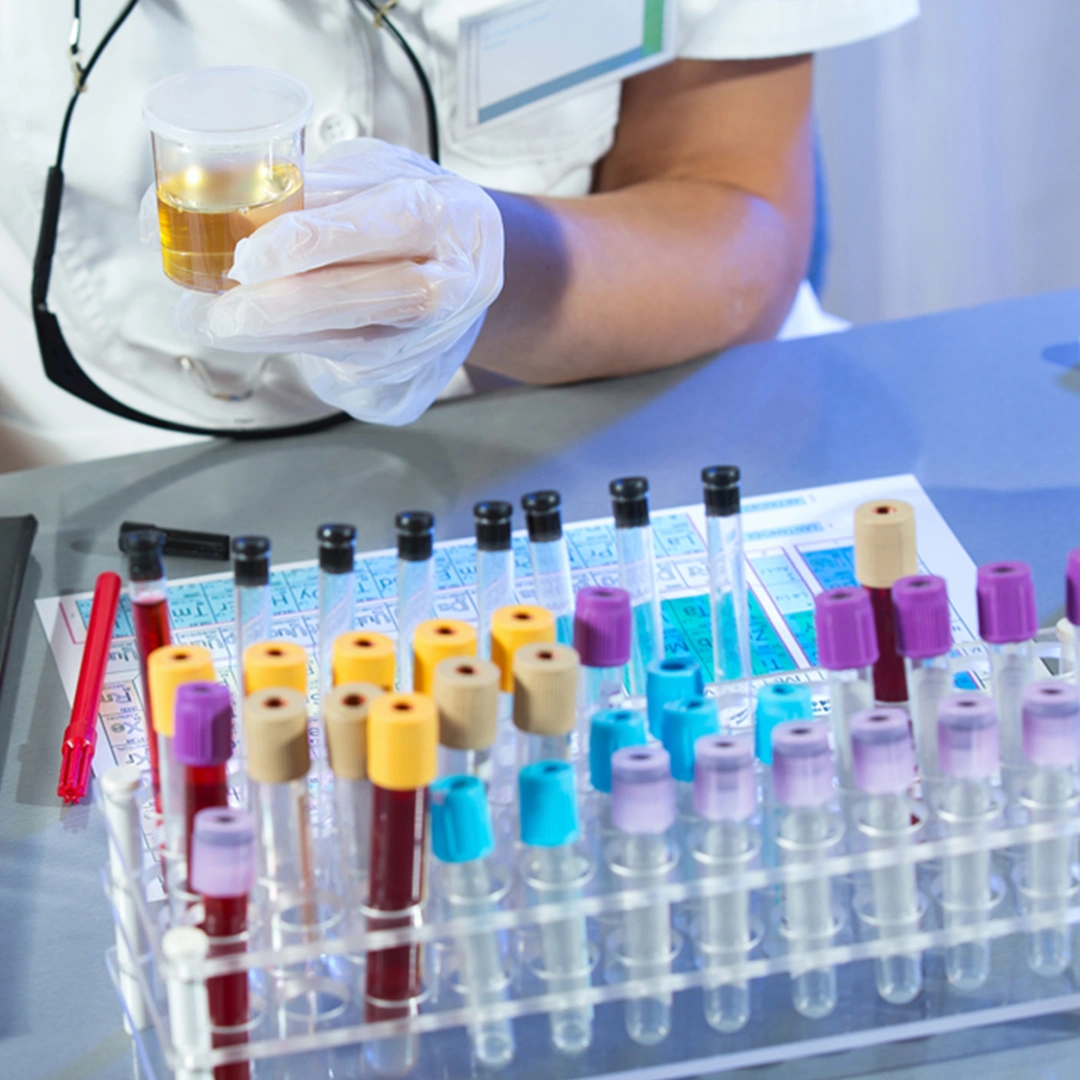
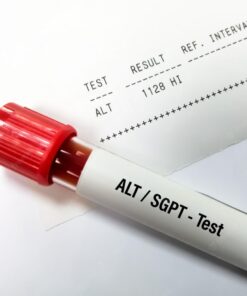
The test is performed on a whole blood sample collected via venipuncture. Risks are minimal and include mild pain, bruising, or dizziness at the puncture site, which usually resolve quickly.


Reviews
There are no reviews yet.