Galactomannan Aspergillus Antigen Test
What it is
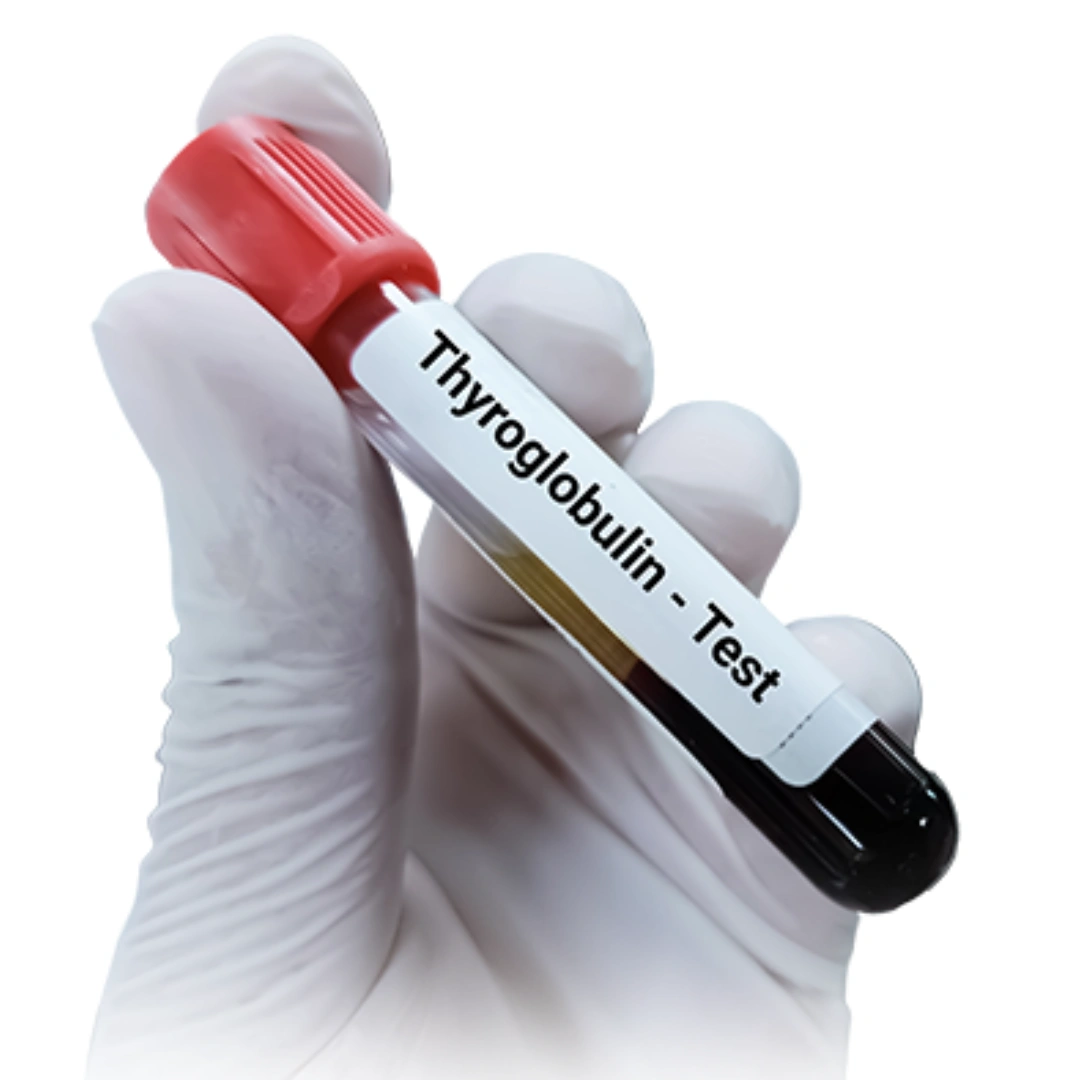
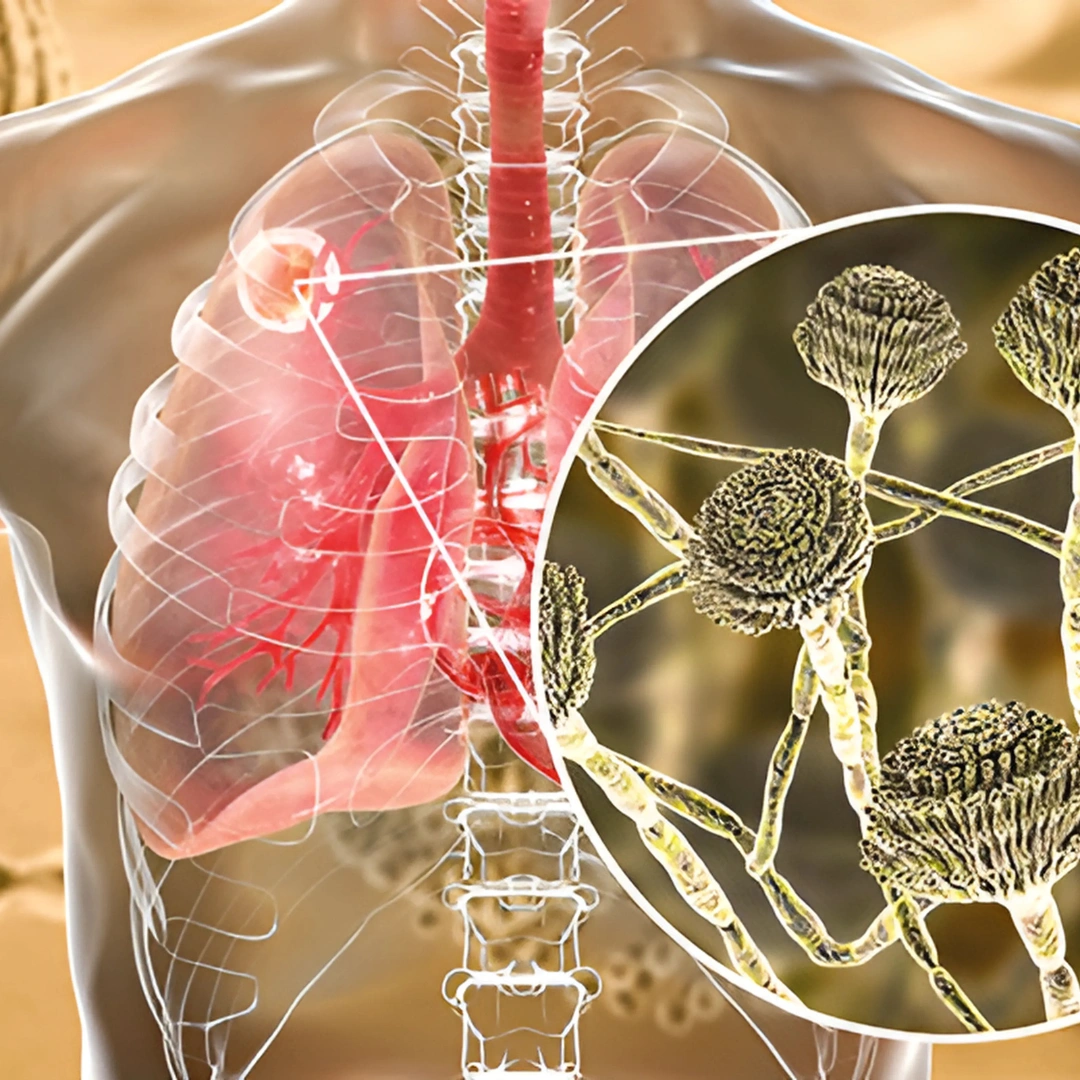
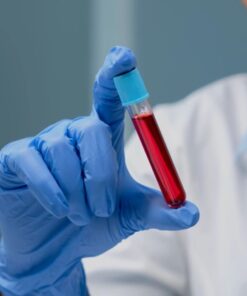
The Galactomannan Aspergillus Antigen Test is a specialized blood or bronchoalveolar lavage (BAL) fluid test used to detect galactomannan, a polysaccharide component of the cell wall of Aspergillus species. Aspergillus is a fungus that can cause invasive aspergillosis, a serious and potentially life-threatening infection, particularly in immunocompromised patients. The test is an important non-culture diagnostic tool for early detection of Aspergillus infections.
Uses
This test is used to:
- Detect invasive aspergillosis at an early stage before culture results are available.
- Assist in diagnosing fungal infections in high-risk patients such as those with prolonged neutropenia, organ transplant recipients, or individuals undergoing chemotherapy.
- Monitor response to antifungal treatment.
- Support differentiation of Aspergillus infection from other fungal or bacterial infections.
Symptoms That May Lead to the Test
Your doctor may recommend this test if you are immunocompromised and develop symptoms such as persistent fever not responding to antibiotics, cough, chest pain, shortness of breath, or blood in sputum. It is also suggested for patients with prolonged hospitalization and high risk of opportunistic fungal infections.
Abnormal Results
Positive Test: Indicates the presence of Aspergillus galactomannan antigen, suggesting probable invasive aspergillosis. False positives may occur due to certain antibiotics (e.g., piperacillin-tazobactam) or dietary factors.
Negative Test: Suggests no detectable Aspergillus antigen. However, early-stage infections or localized disease may not always be detected, so results should be interpreted with clinical findings and imaging.
Risks
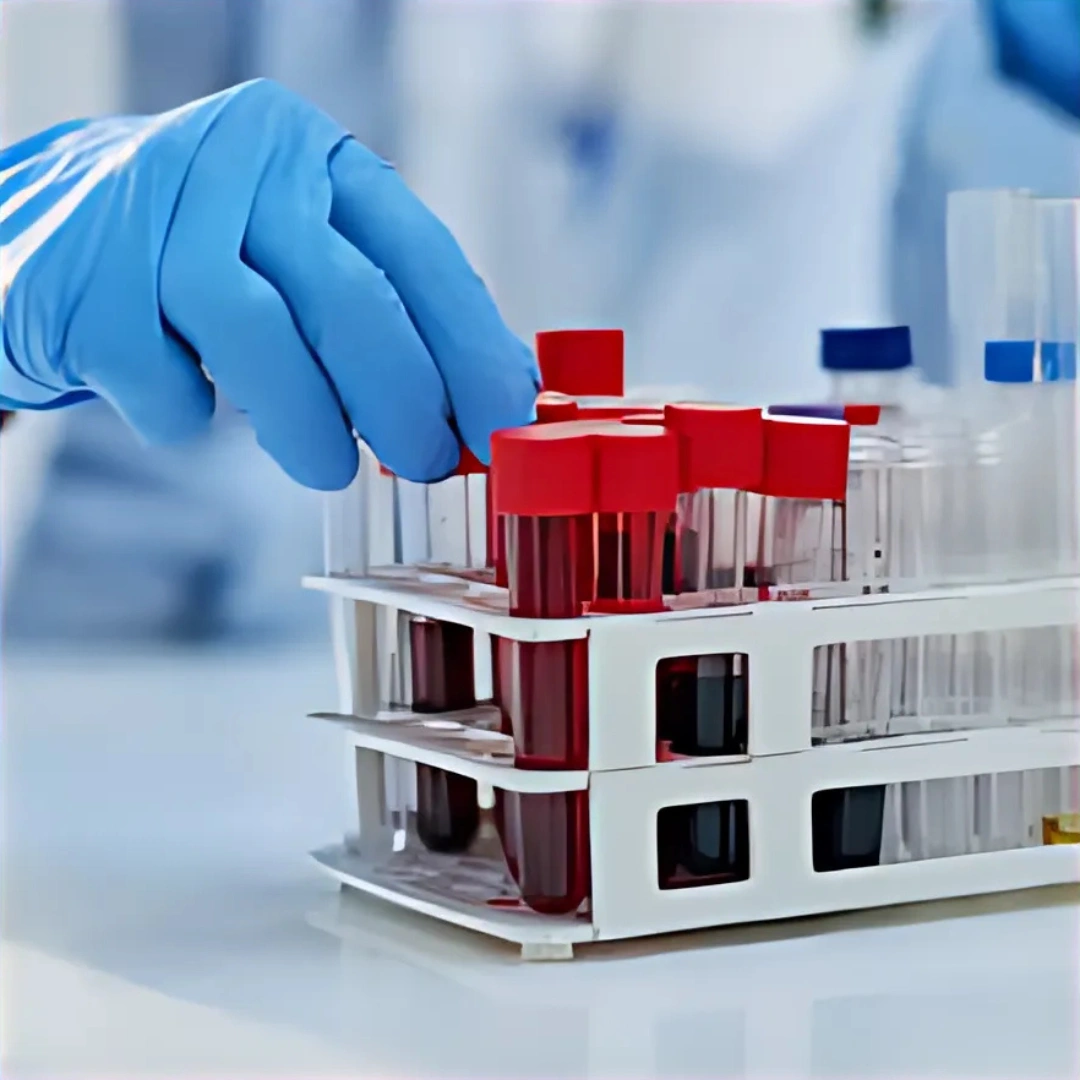
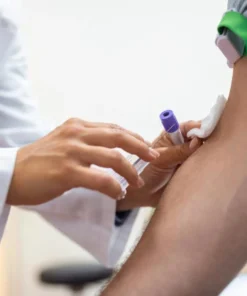
The test involves a routine blood draw or collection of BAL fluid. Blood collection has minimal risks like mild pain, bruising, or dizziness at the puncture site. BAL procedures may involve minor discomfort, coughing, or very rarely, complications from bronchoscopy.


Reviews
There are no reviews yet.