Gamma Glutamyl Transferase (GGT), Serum
What it is
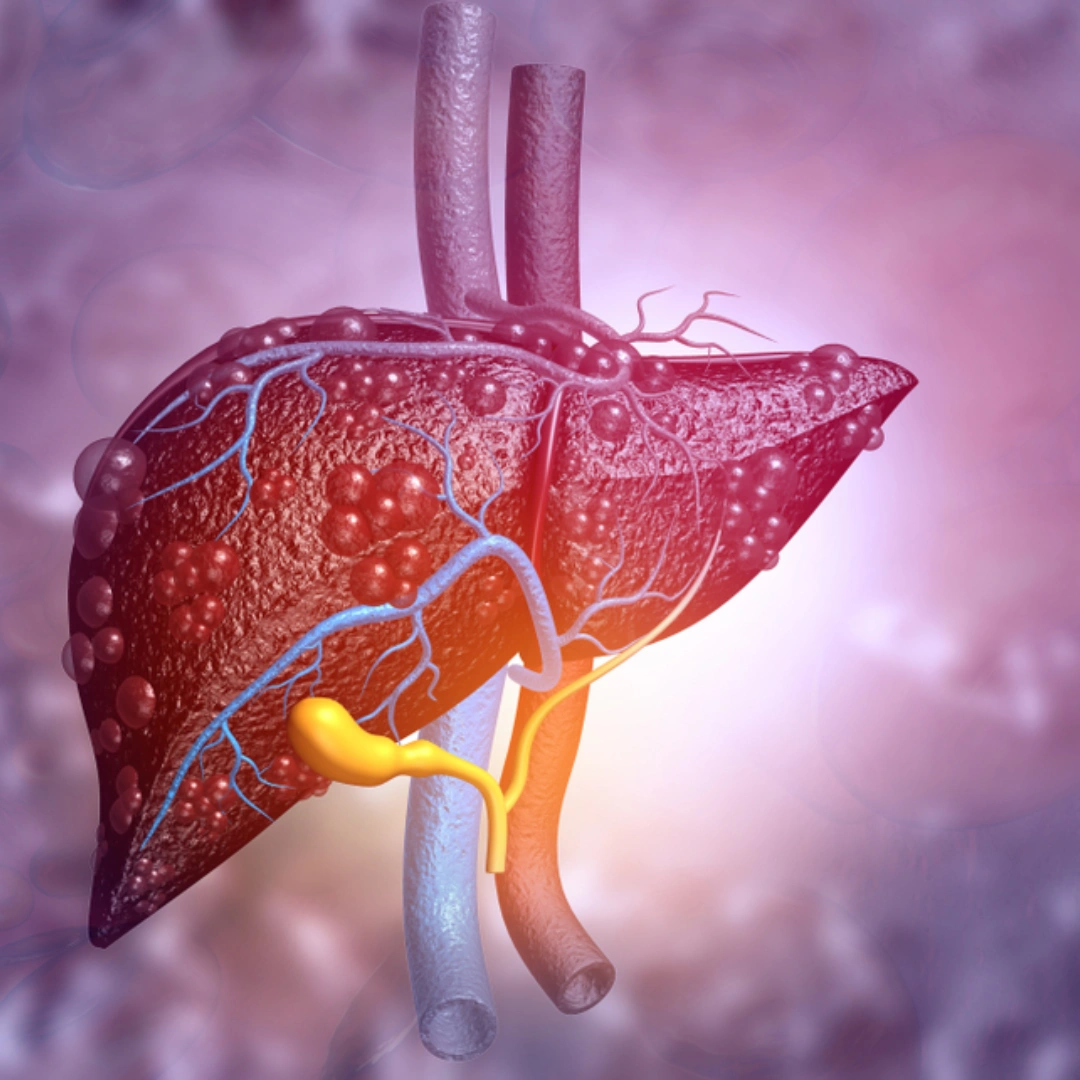
The Gamma Glutamyl Transferase (GGT), Serum test measures the level of GGT, an enzyme found mainly in the liver and bile ducts. GGT plays a key role in the metabolism of glutathione and amino acids. Elevated GGT levels often indicate liver or bile duct disorders and can help detect alcohol-related liver damage or the effects of certain medications on the liver.
Uses
This test is commonly used to:
- Evaluate liver health and function.
- Help detect liver disease, bile duct obstruction, or damage from alcohol use.
- Differentiate between liver and bone disorders when alkaline phosphatase (ALP) is elevated.
- Monitor patients on medications that may cause liver toxicity.
- Assess alcohol consumption or suspected alcohol abuse.
Symptoms That May Lead to the Test
Your doctor may recommend a GGT test if you have symptoms of liver or bile duct disease such as jaundice (yellowing of skin and eyes), abdominal pain, dark urine, pale stools, fatigue, loss of appetite, or unexplained weight loss. It may also be ordered when other liver tests (ALT, AST, ALP, bilirubin) are abnormal.
Abnormal Results
High GGT Levels: May indicate liver disease (hepatitis, cirrhosis, liver tumors), bile duct obstruction, alcohol abuse, pancreatitis, or drug-induced liver damage. It is often elevated in conjunction with ALP when bile ducts are blocked.
Low/Normal GGT Levels: Usually considered normal. However, a normal GGT with high ALP suggests bone disease rather than liver disease.
Risks
The test requires a standard blood sample. Risks are minimal and may include mild pain, bruising, or dizziness at the puncture site. These effects are temporary and uncommon.


Reviews
There are no reviews yet.