Giemsa Staining, Tissue
What it is
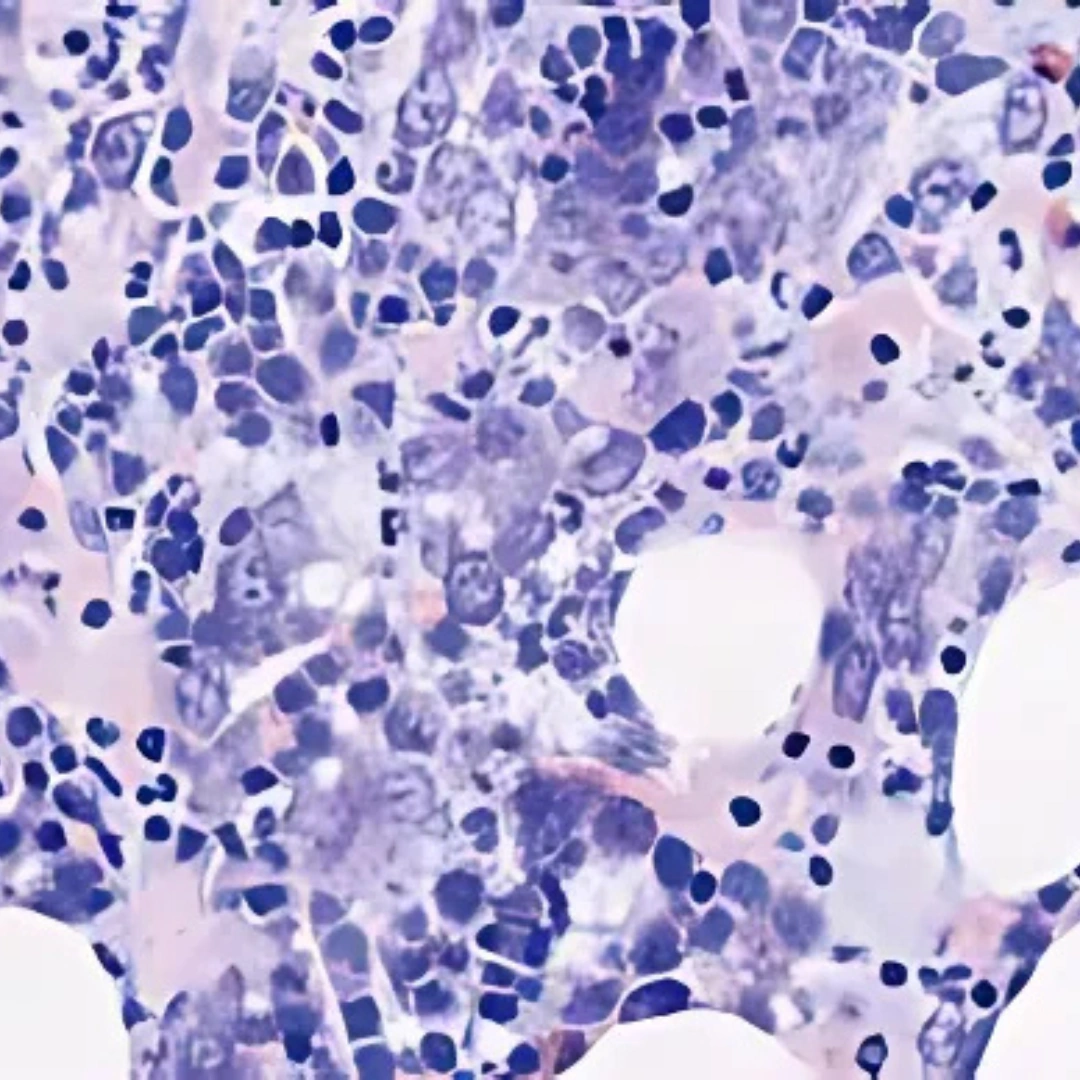
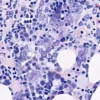
The Giemsa Staining, Tissue test is a histopathology and microbiology procedure that uses Giemsa stain to highlight cellular structures and detect infectious organisms in tissue samples. Giemsa is a Romanowsky-type stain that binds to nucleic acids and cytoplasmic components, allowing clear visualization of parasites, bacteria, and cell morphology under a microscope. It is particularly valuable in identifying intracellular pathogens.
Uses
This test is commonly used in diagnostic pathology and infectious disease workups. It helps in:
- Identifying parasites such as Leishmania in tissue biopsies.
- Detecting intracellular bacteria like Chlamydia or Rickettsia.
- Evaluating hematologic malignancies involving tissue infiltration (e.g., lymphomas, leukemias).
- Studying tissue cell morphology and inflammatory infiltrates.
- Supporting diagnosis in unexplained fever, organomegaly, or suspected tropical infections.
Symptoms That May Lead to the Test
Your doctor may recommend Giemsa staining on tissue samples if you have persistent fever, lymph node enlargement, hepatosplenomegaly, skin lesions, unexplained inflammation, or suspicion of parasitic or atypical bacterial infection that cannot be confirmed by routine stains.
Abnormal Results
Positive Stain: Presence of parasites (e.g., Leishman-Donovan bodies), intracellular bacteria, or atypical cells confirming infection or malignancy.
Negative Stain: No organisms or abnormal cells detected. However, absence of detection does not fully exclude infection or disease—further tests (culture, PCR, IHC) may be needed.
Risks
The test itself is performed on an already collected tissue specimen. Risks are associated with the tissue biopsy procedure, which may involve minor pain, bleeding, or infection at the biopsy site. The staining and microscopic examination itself carries no risk for the patient.


Reviews
There are no reviews yet.