Glucose-6-Phosphate Dehydrogenase (G6PD), Quantitative
What it is
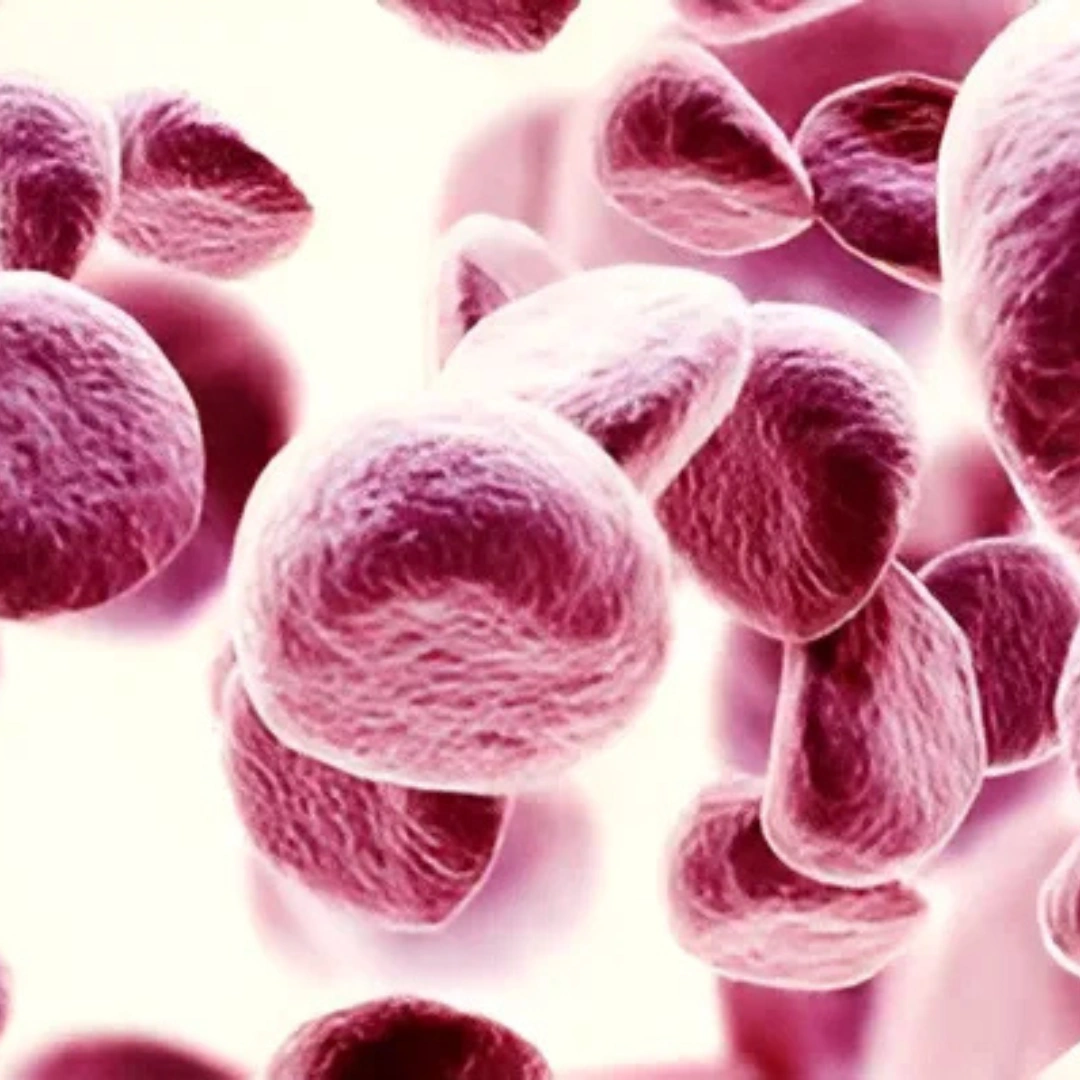
The Glucose-6-Phosphate Dehydrogenase (G6PD), Quantitative test measures the activity of the G6PD enzyme in red blood cells. G6PD plays a vital role in protecting red blood cells from oxidative stress. Deficiency of this enzyme can lead to hemolytic anemia, especially when triggered by infections, certain foods (like fava beans), or medications. This quantitative test provides an exact measurement of enzyme activity, unlike qualitative tests that only detect presence or absence.
Uses
This test is commonly used to:
- Diagnose G6PD deficiency.
- Evaluate patients with unexplained hemolytic anemia or jaundice.
- Identify at-risk individuals before prescribing drugs known to trigger hemolysis (e.g., certain antimalarials, sulfa drugs, nitrofurantoin).
- Screen newborns in populations with high prevalence of G6PD deficiency.
Symptoms That May Lead to the Test
Doctors may recommend this test if you have symptoms like sudden onset of pallor, fatigue, rapid heartbeat, shortness of breath, jaundice, dark-colored urine, or anemia following illness, drug use, or ingestion of fava beans. It may also be advised for newborns with unexplained prolonged jaundice.
Abnormal Results
Low G6PD Activity: Confirms G6PD deficiency, which can cause hemolytic anemia under oxidative stress. The severity depends on the degree of enzyme deficiency.
Normal G6PD Activity: Suggests no enzyme deficiency. However, results during an acute hemolytic episode may be misleading due to the destruction of older, enzyme-deficient red cells, so repeat testing may be necessary.
Risks
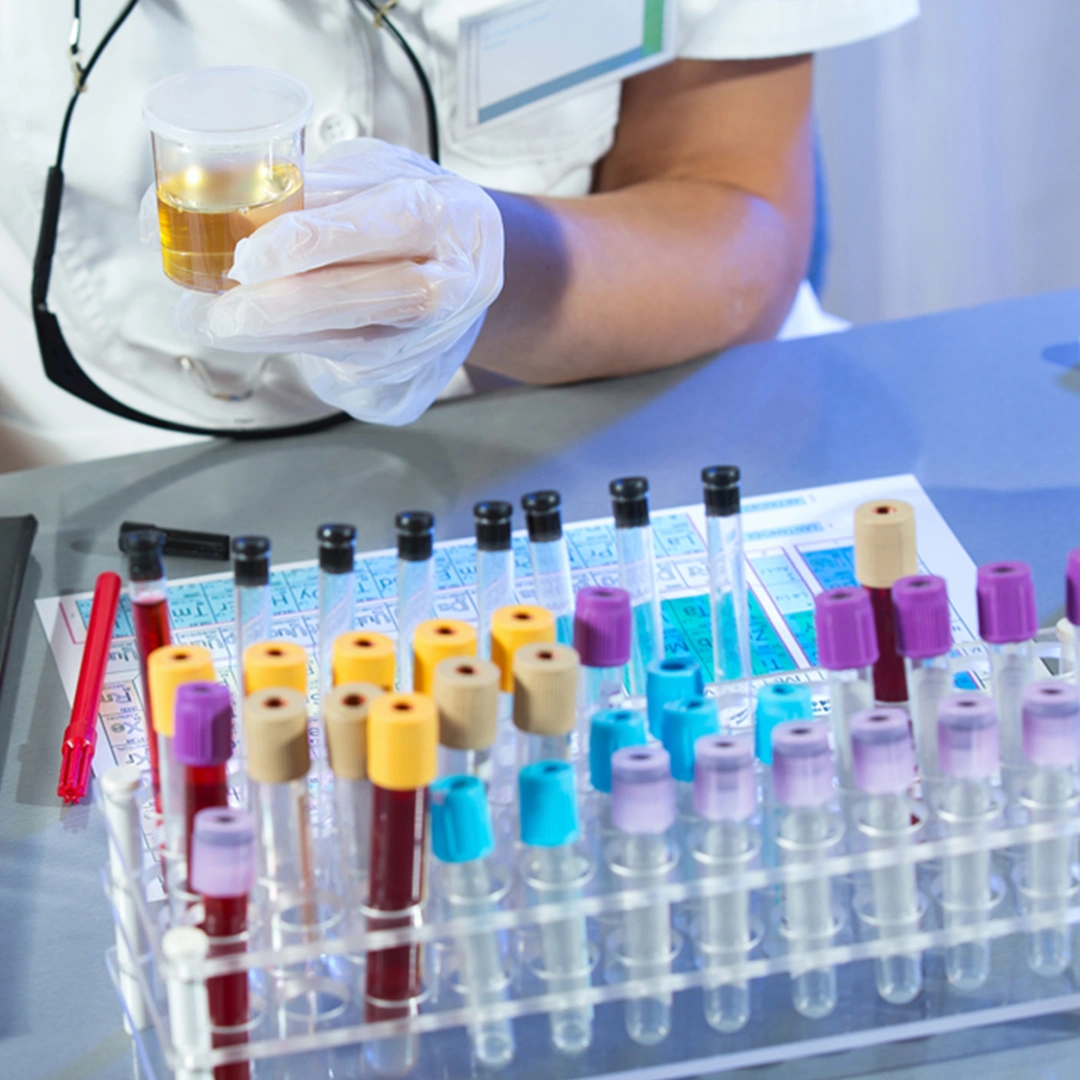
The test involves a standard blood draw. Risks are minimal and may include slight pain, bruising, or dizziness at the puncture site. In infants, a heel prick may be performed, with minimal risk of discomfort.


Reviews
There are no reviews yet.