Glucose Challenge Test (GCT), Plasma
What it is
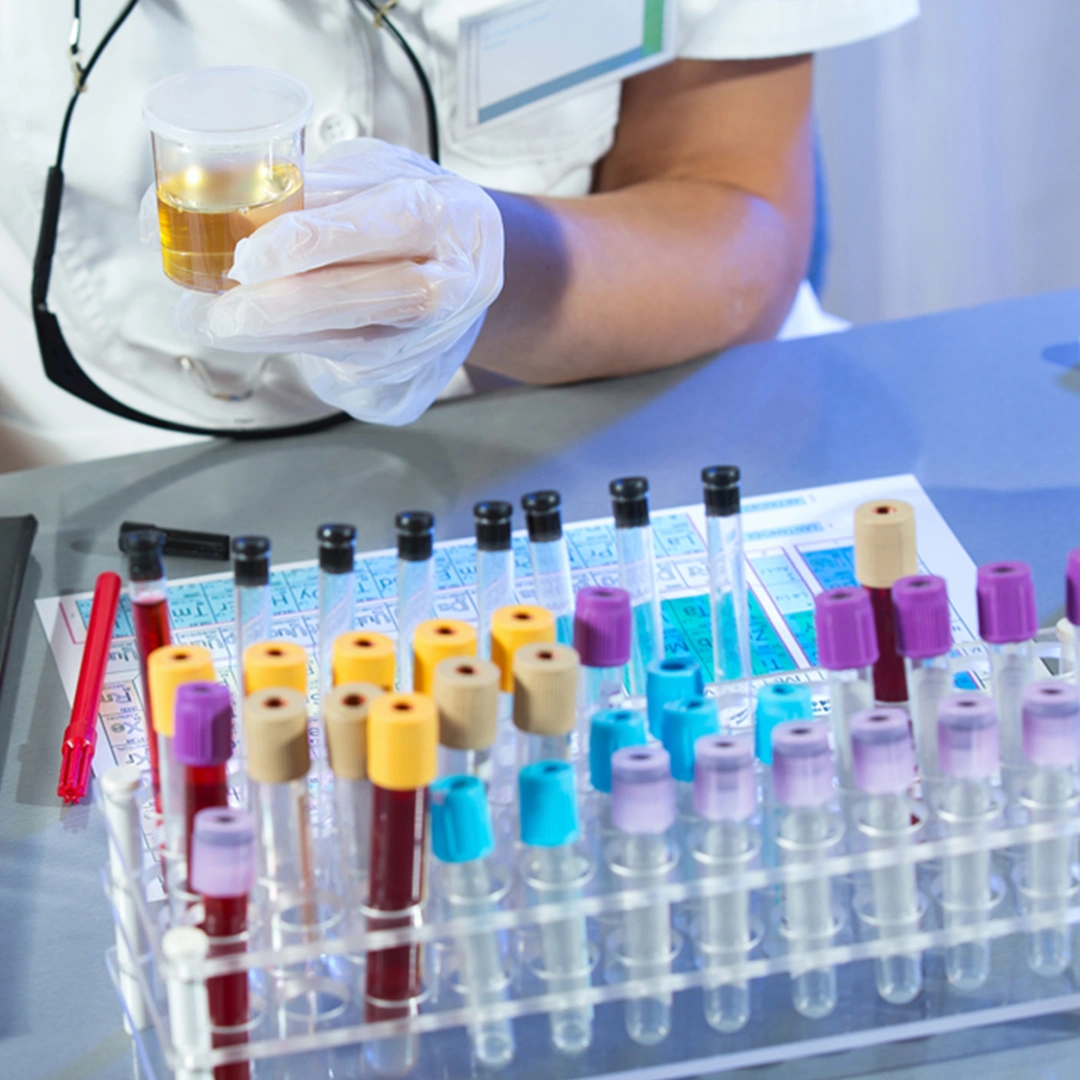
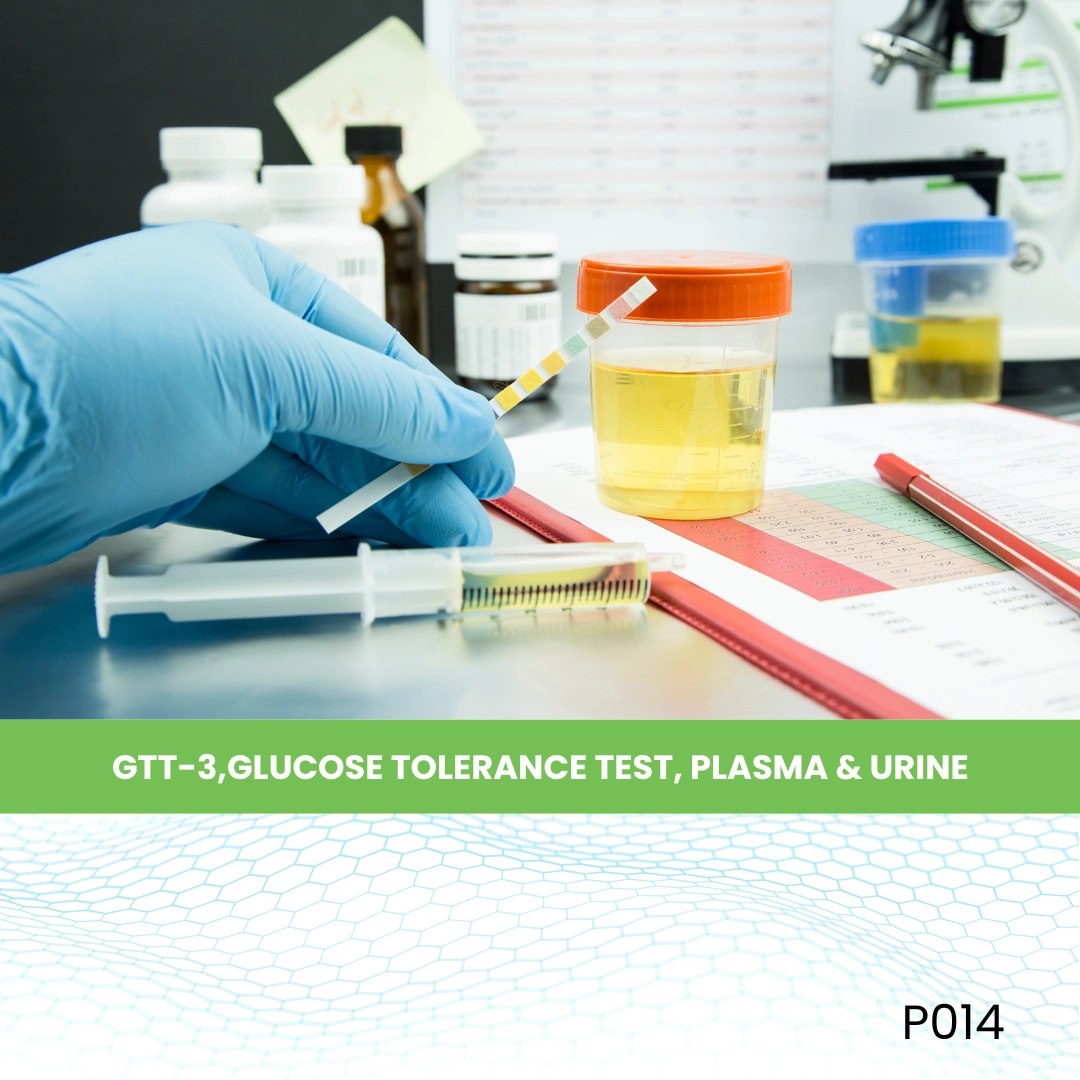
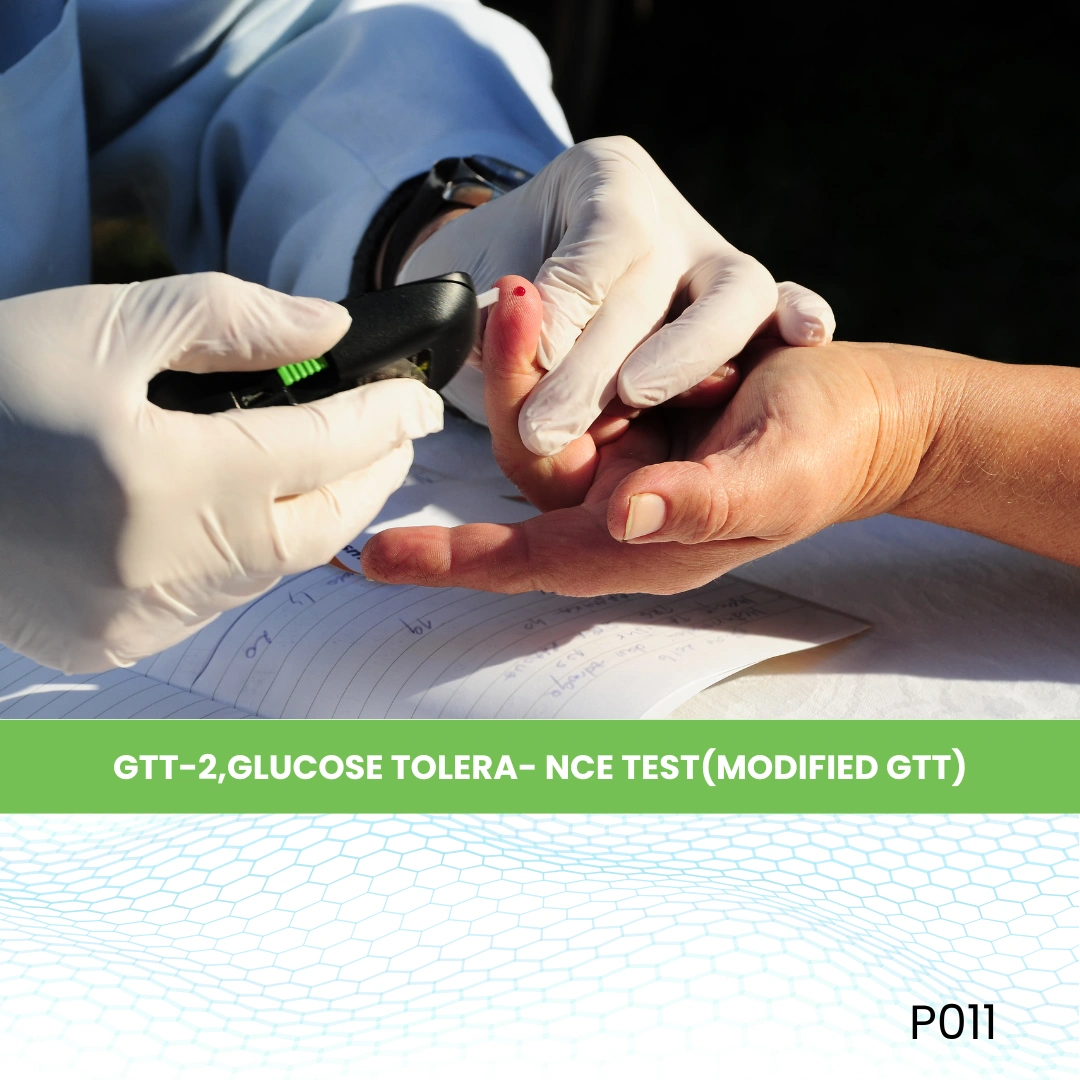
The Glucose Challenge Test (GCT), Plasma is a screening test that measures how your body processes glucose after consuming a standard dose of 50 grams of glucose solution. Unlike the Oral Glucose Tolerance Test (OGTT), fasting is not required before the GCT. It is most commonly used in pregnancy to screen for gestational diabetes, typically between 24 and 28 weeks of gestation.
Uses
This test is primarily used to:
- Screen for gestational diabetes in pregnant women.
- Identify women at risk for complications related to high blood sugar during pregnancy.
- Decide whether a confirmatory Oral Glucose Tolerance Test (OGTT) is needed.
Symptoms That May Lead to the Test
The test is usually performed as a routine prenatal screen rather than based on symptoms. However, it may be recommended earlier in pregnancy if you have risk factors such as obesity, polycystic ovary syndrome (PCOS), family history of diabetes, history of gestational diabetes, or delivery of a previous baby weighing more than 4 kg.
Abnormal Results
Normal Result: Blood glucose level less than 140 mg/dL one hour after the glucose drink.
Borderline Result: 140–199 mg/dL indicates the need for a confirmatory OGTT with a 75 g or 100 g glucose load.
Diabetic Range: 200 mg/dL or higher may directly suggest gestational diabetes, though confirmation with an OGTT is usually advised.
Risks
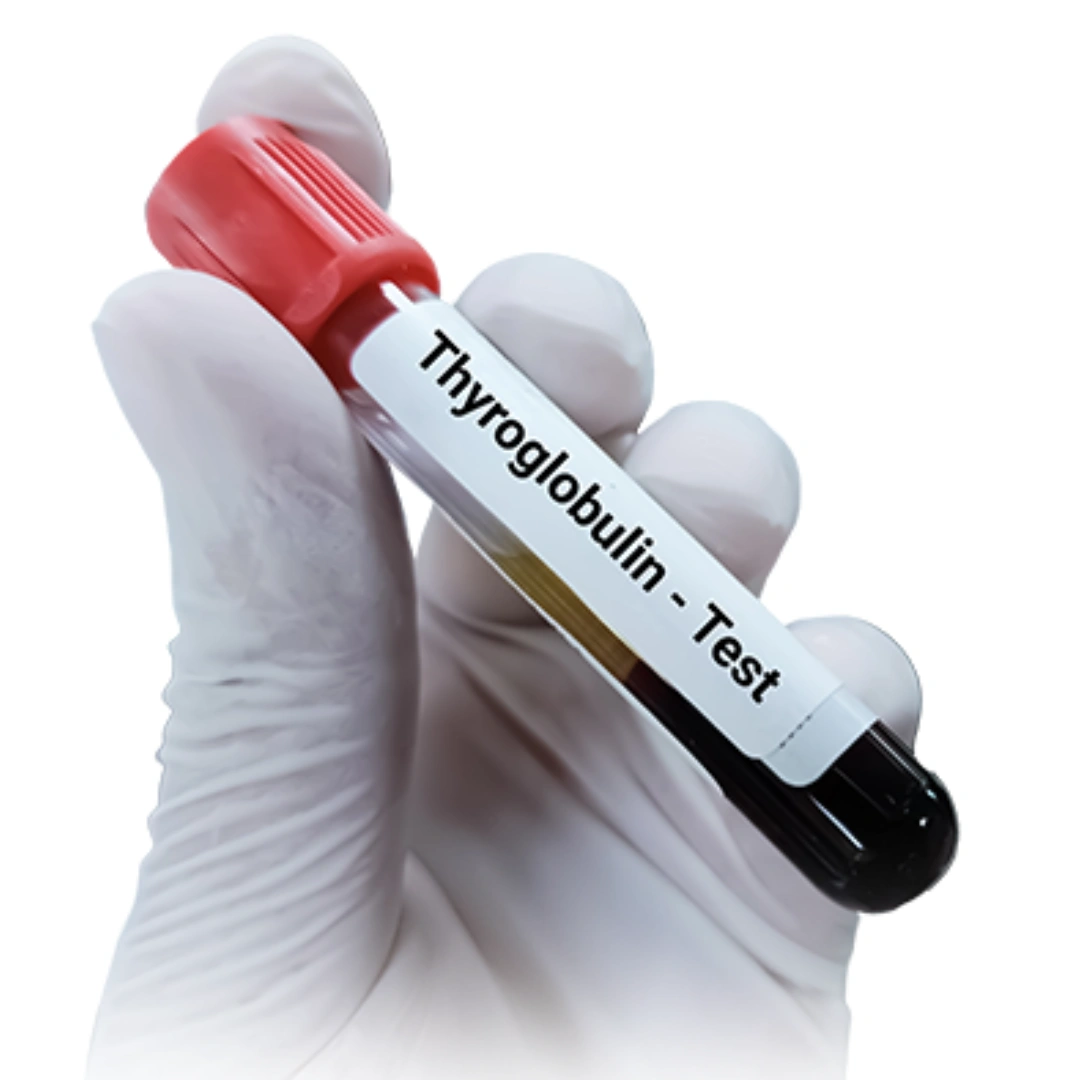
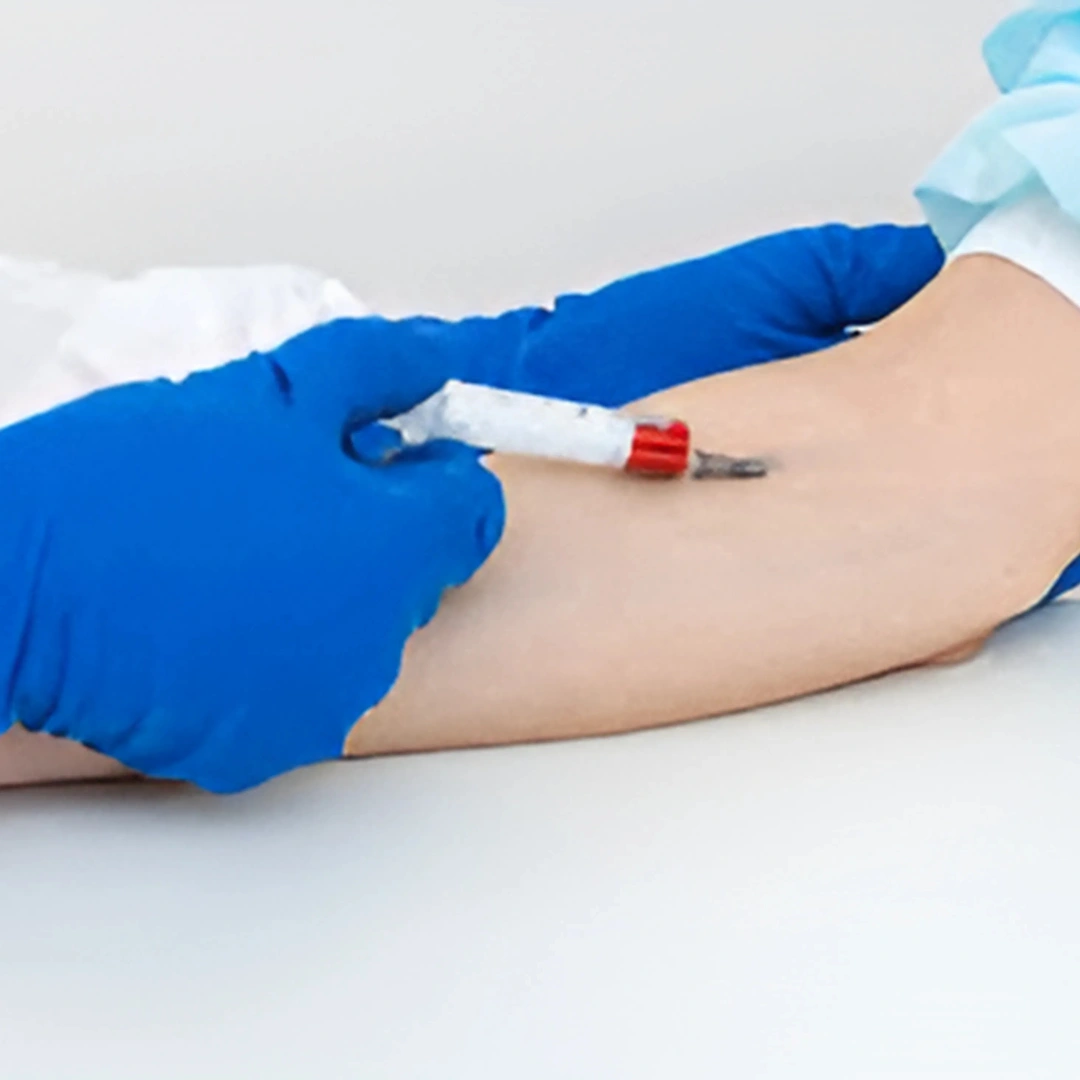
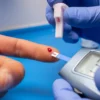
The test involves drinking a sweet glucose solution and a simple blood draw. Mild nausea, dizziness, or headache may occur due to the glucose load. Blood draw risks include slight pain, bruising, or dizziness at the puncture site, but serious complications are very rare.


Reviews
There are no reviews yet.