Glucose Fasting, Plasma
What it is
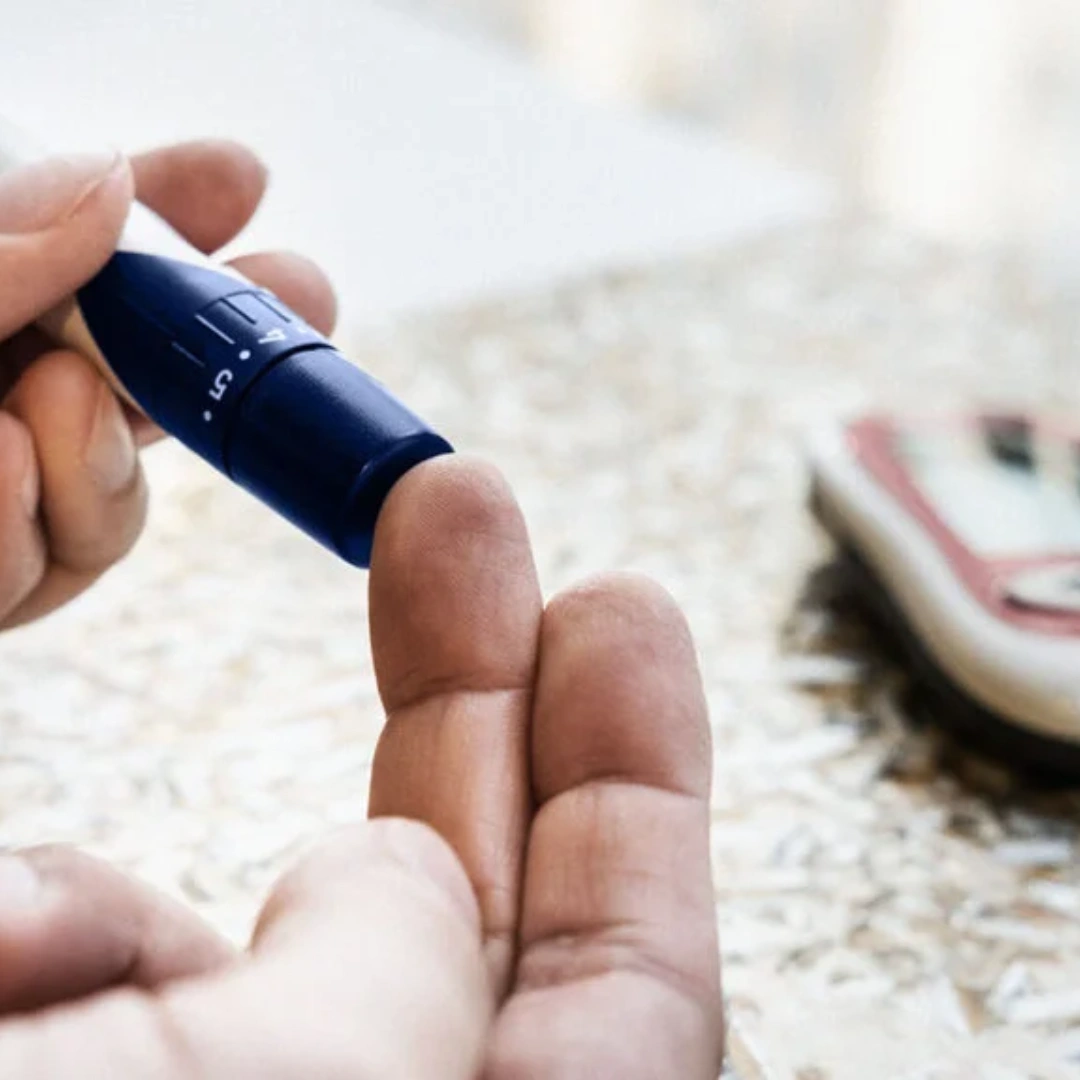
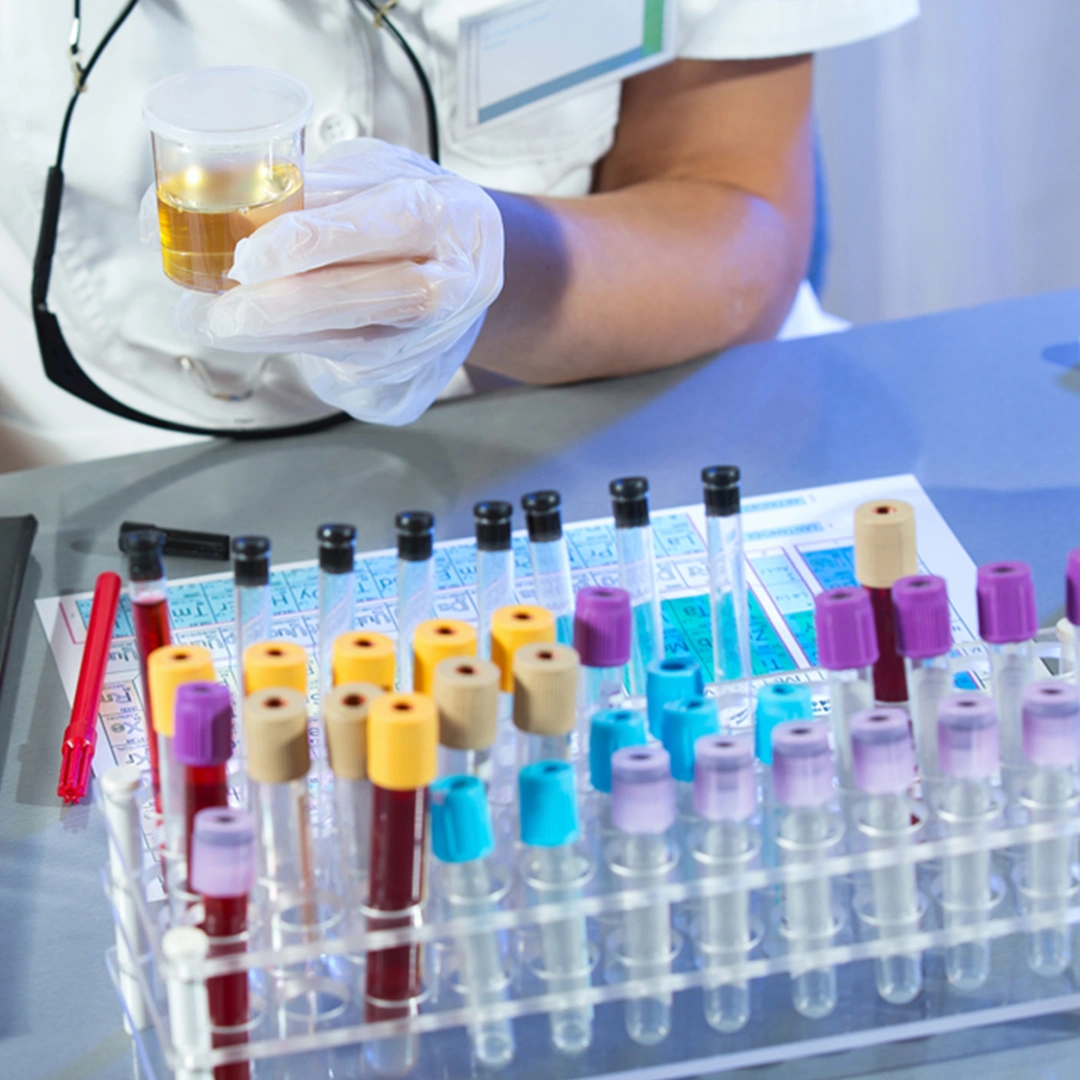
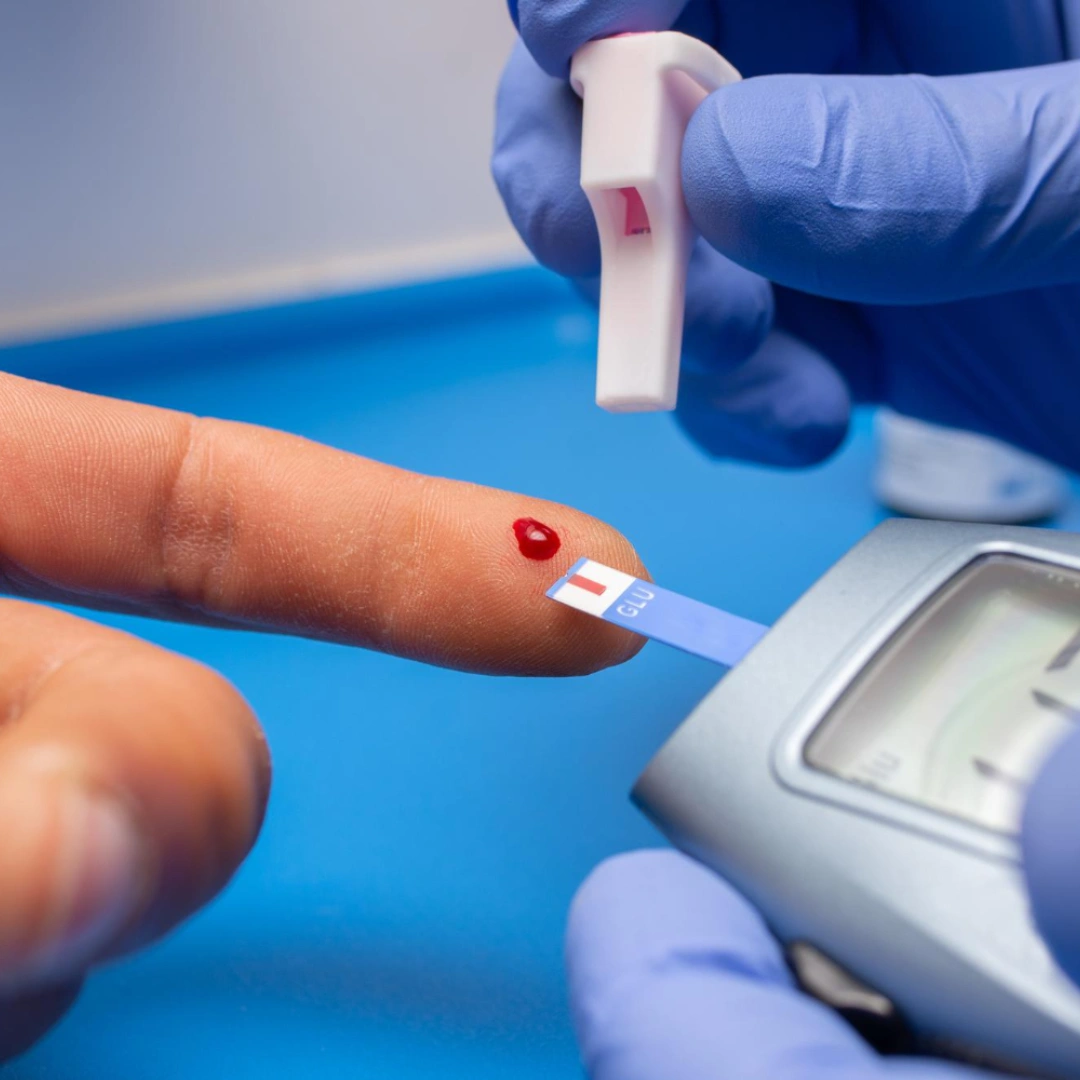
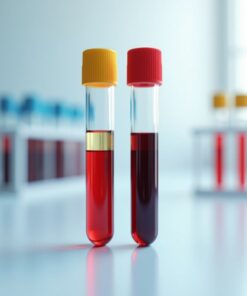
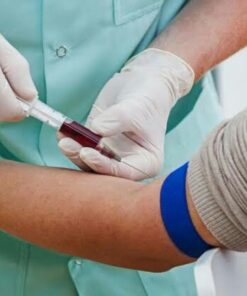
The Glucose Fasting, Plasma test measures the concentration of glucose (sugar) in the blood after an overnight fast of 8–12 hours. It is one of the most common and reliable tests for detecting diabetes mellitus, prediabetes, and impaired glucose metabolism. Since fasting eliminates the effect of recent meals, it provides a baseline reading of how the body maintains blood sugar balance.
Uses
This test is used to:
- Diagnose diabetes and prediabetes.
- Screen high-risk individuals (e.g., obesity, hypertension, family history of diabetes).
- Monitor blood sugar control in individuals with known diabetes.
- Evaluate unexplained symptoms such as frequent urination, excessive thirst, or fatigue.
Symptoms That May Lead to the Test
A doctor may recommend a fasting glucose test if you experience signs of diabetes, such as persistent thirst, increased urination, sudden weight changes, blurry vision, recurrent infections, or unexplained tiredness. It is also often ordered in routine health check-ups or pregnancy screenings.
Abnormal Results
Normal: Fasting plasma glucose less than 100 mg/dL.
Prediabetes (Impaired Fasting Glucose): 100–125 mg/dL.
Diabetes: 126 mg/dL or higher on two separate occasions.
Interpretation may be combined with HbA1c, Oral Glucose Tolerance Test (OGTT), or random glucose for confirmation.
Risks
The test involves a standard blood draw. Risks are minimal, including slight pain, bruising, or dizziness at the puncture site. Fasting may cause mild weakness, headache, or irritability in some individuals, but these usually resolve once food is consumed after the test.


Reviews
There are no reviews yet.