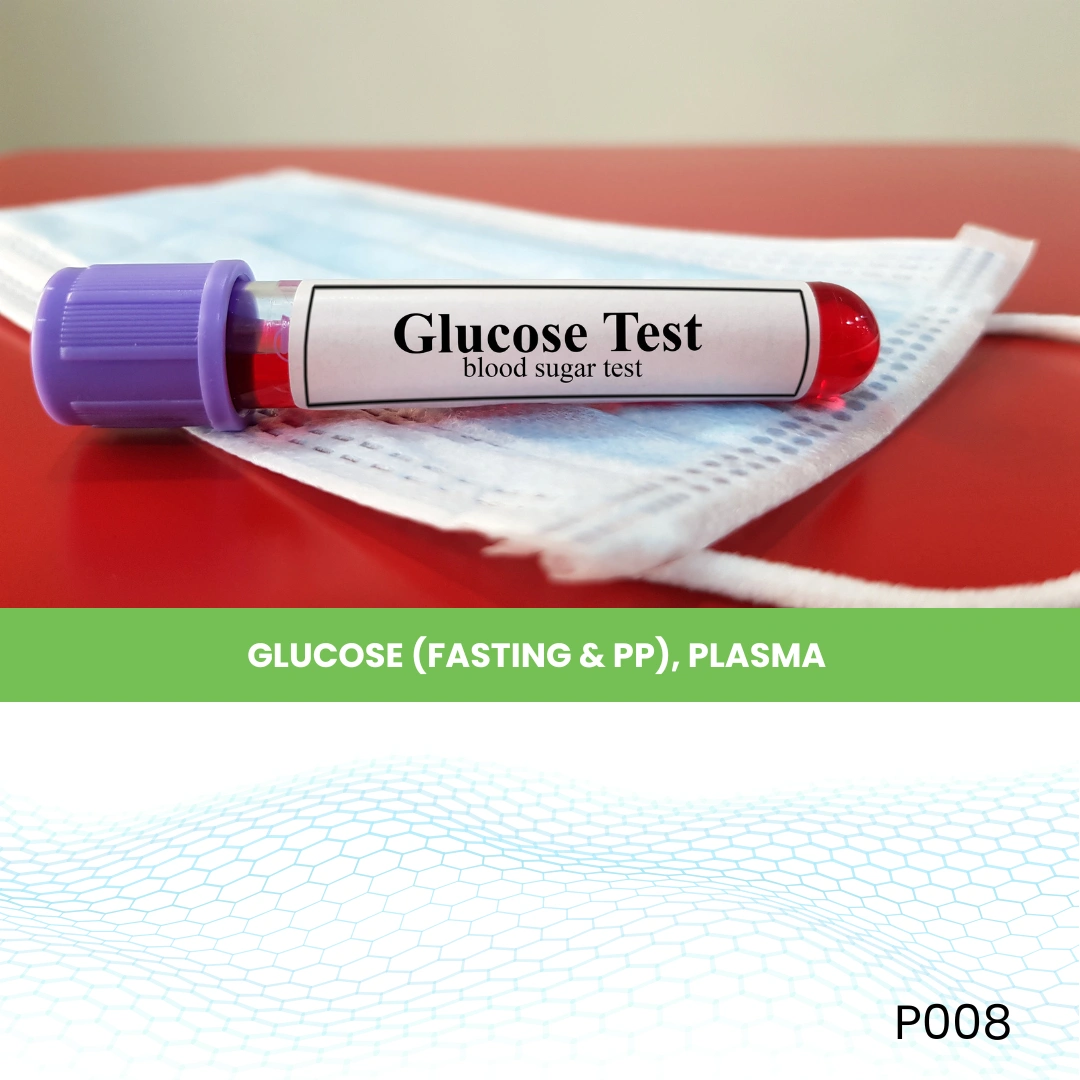
Glucose (Fasting & PP), Plasma
What it is
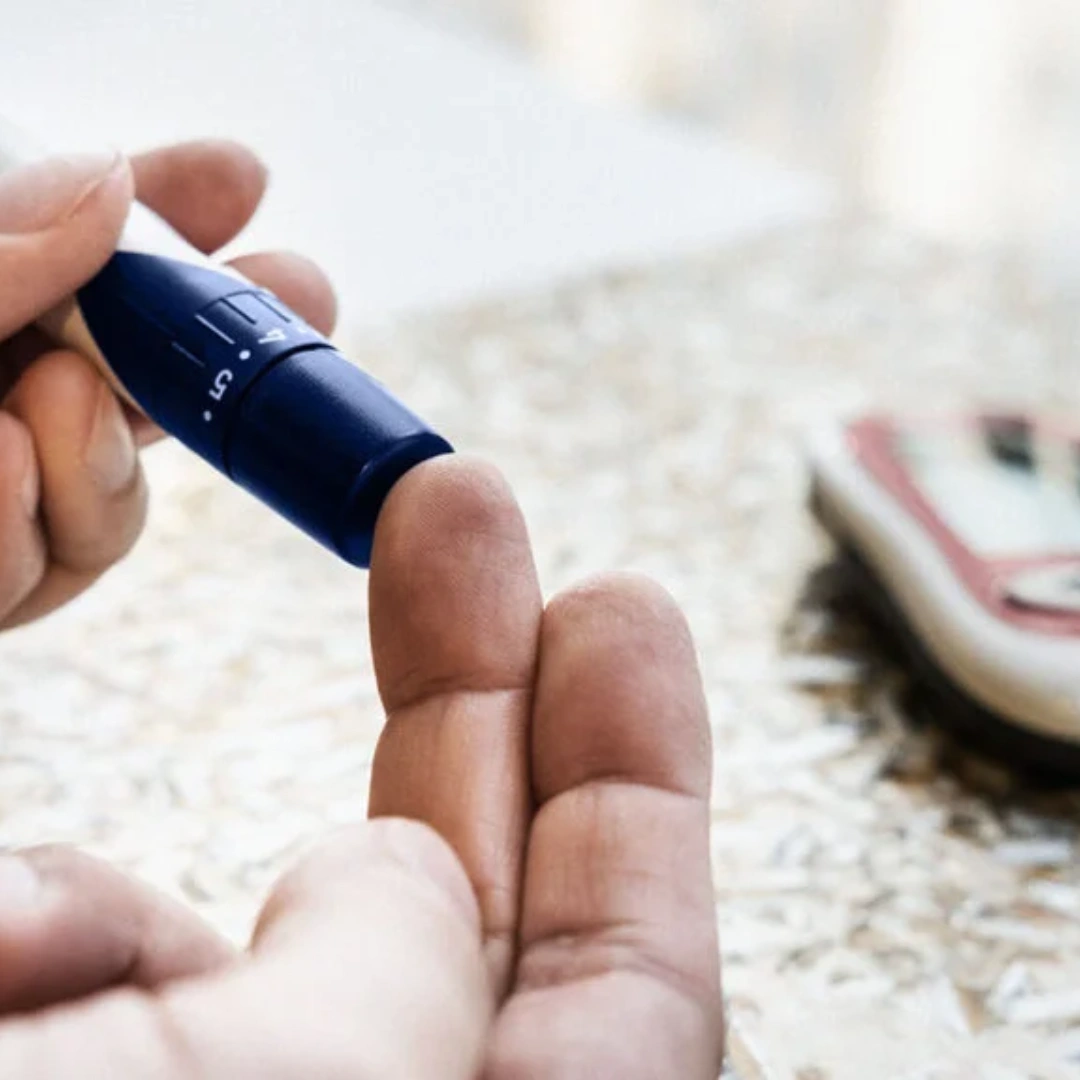
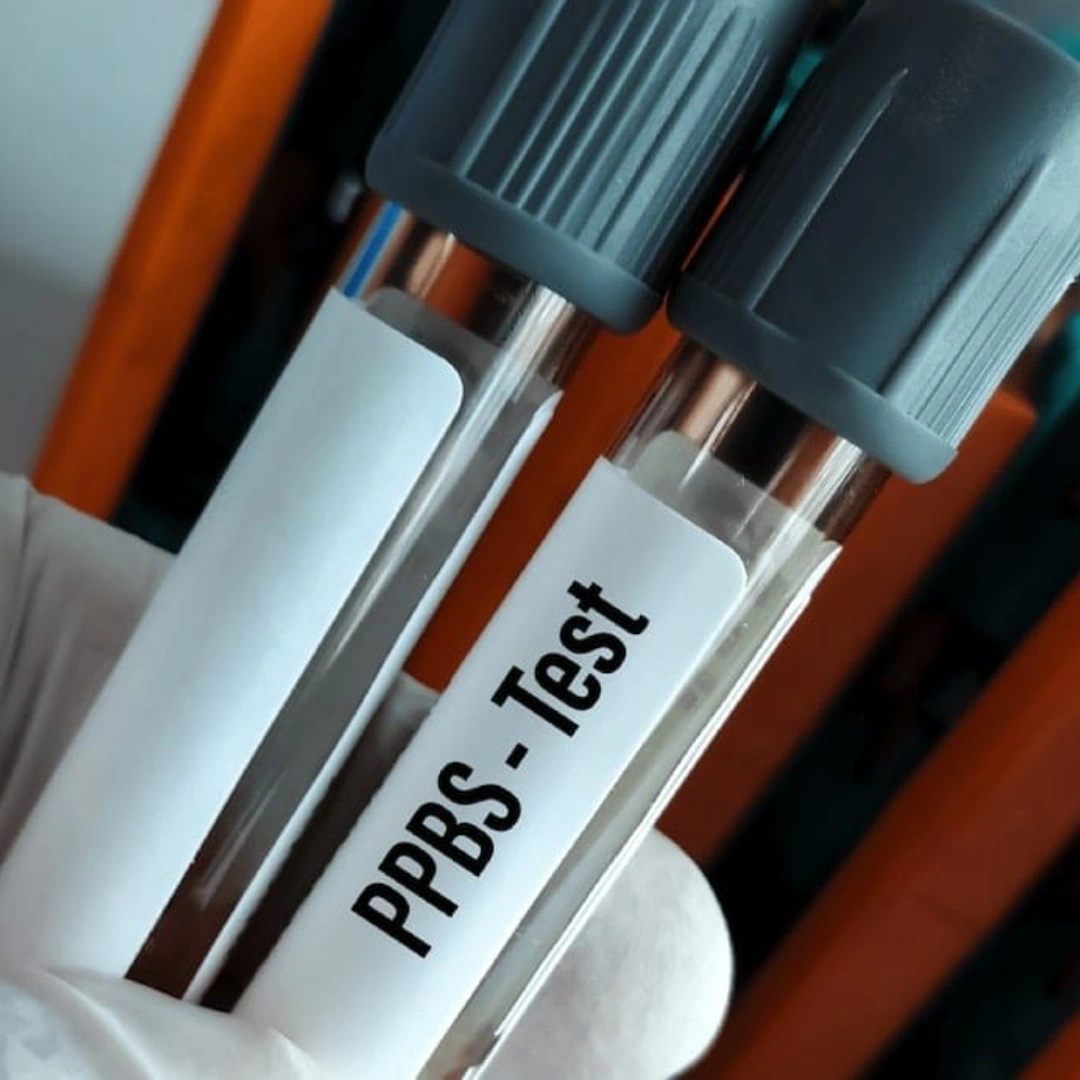
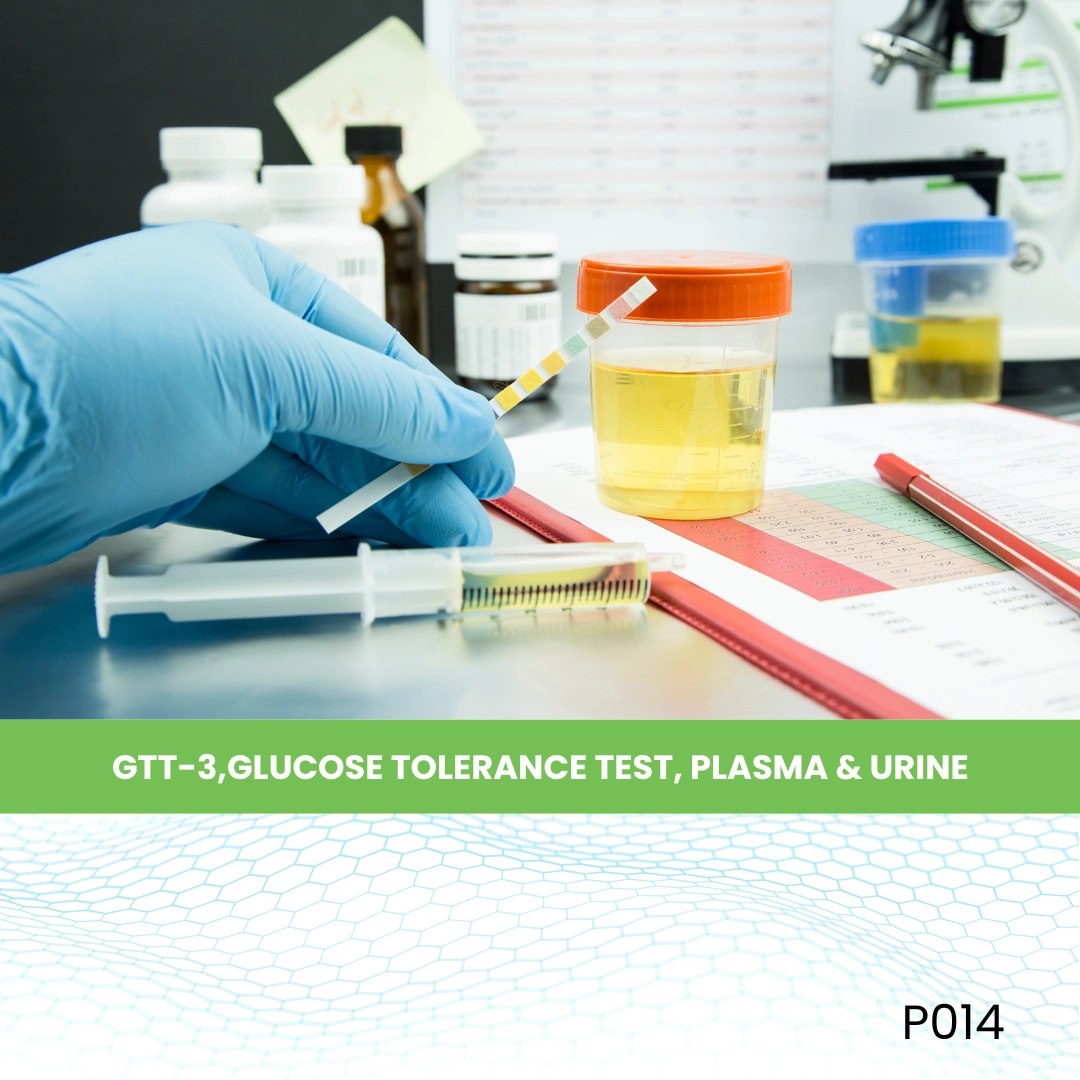
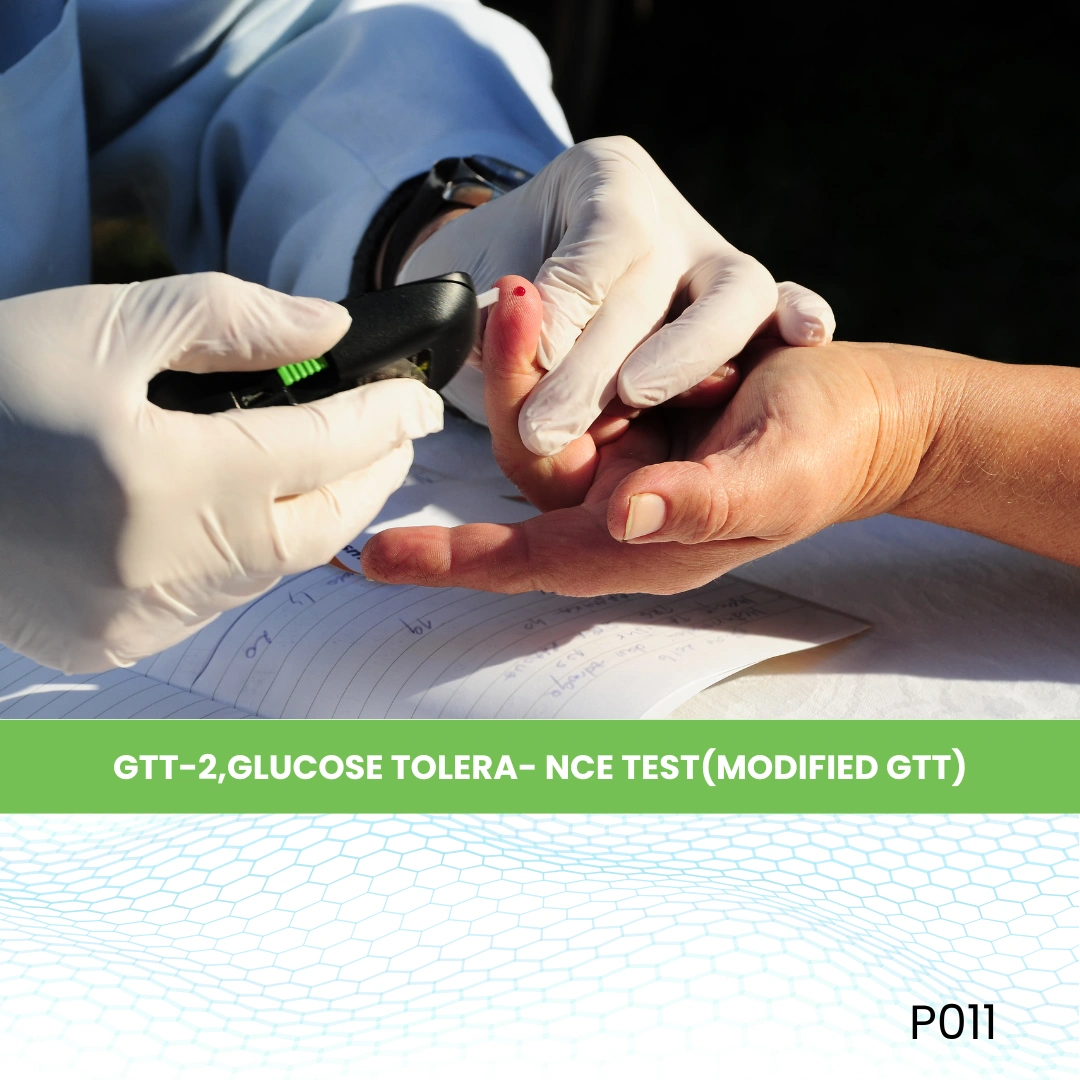
The Glucose (Fasting & PP), Plasma test measures blood sugar levels at two critical points: after an overnight fast (fasting glucose) and 2 hours after a meal (postprandial glucose or PP). Together, these readings help assess how the body manages glucose both at baseline and after food intake, making it a key tool in the diagnosis and monitoring of diabetes mellitus.
Uses
This test is commonly used to:
- Diagnose diabetes and prediabetes.
- Monitor blood sugar control in individuals with diabetes.
- Assess response to dietary changes, medications, or insulin therapy.
- Screen high-risk individuals such as those with obesity, hypertension, or a family history of diabetes.
Symptoms That May Lead to the Test
Your doctor may recommend fasting and postprandial glucose testing if you have symptoms of high blood sugar such as excessive thirst, frequent urination, fatigue, blurred vision, unexplained weight loss, or recurrent infections. It may also be ordered in routine health checkups for diabetes screening.
Abnormal Results
Fasting Plasma Glucose:
- Normal: <100 mg/dL
- Prediabetes: 100–125 mg/dL
- Diabetes: ≥126 mg/dL (on two separate occasions)
Postprandial (2 Hours After Meal):
- Normal: <140 mg/dL
- Prediabetes (Impaired Glucose Tolerance): 140–199 mg/dL
- Diabetes: ≥200 mg/dL
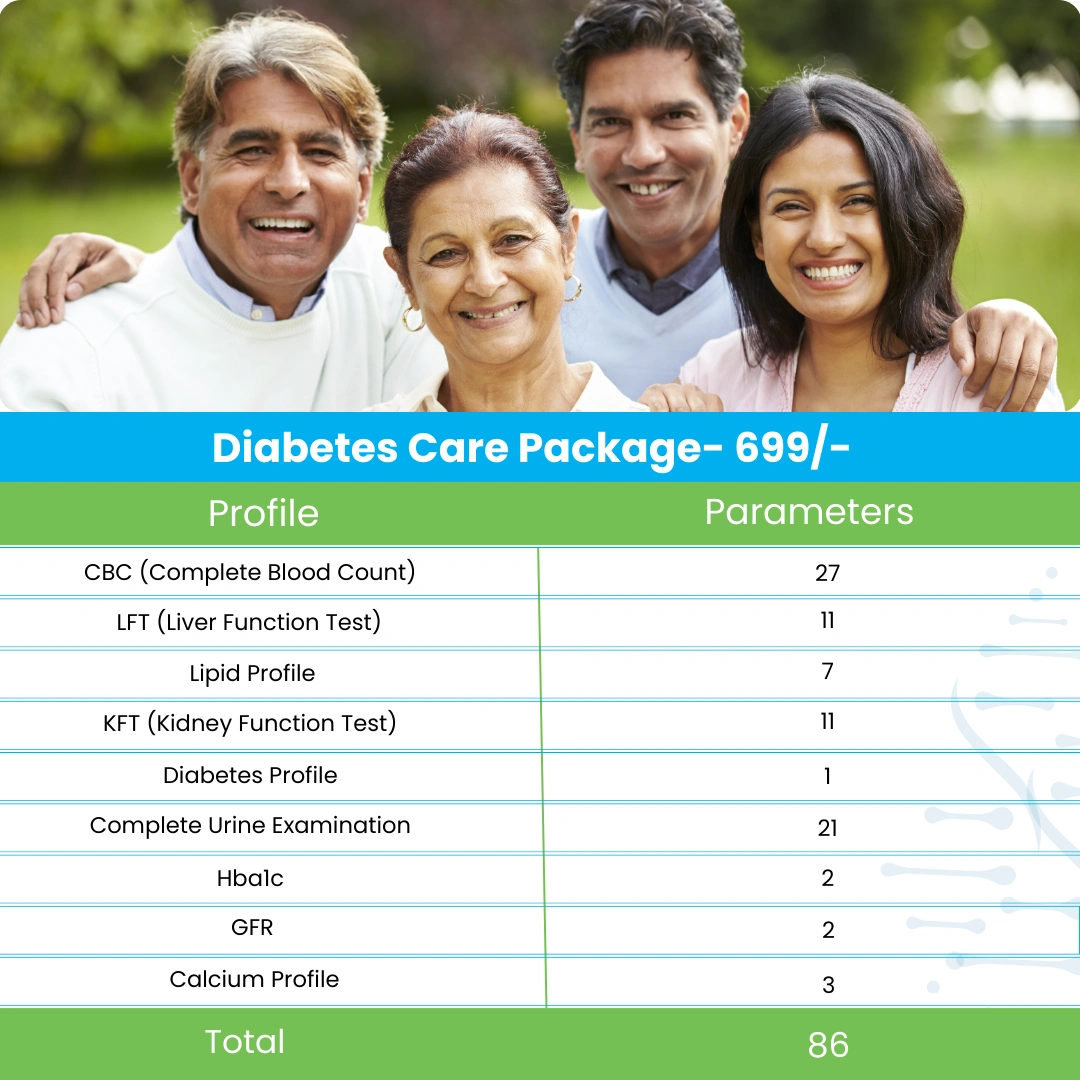
Interpretation is often combined with HbA1c for a more complete view of blood sugar control.
Risks
The test requires simple blood draws—one after fasting and another 2 hours after a meal. Risks are minimal and include mild pain, bruising, or dizziness at the puncture site. Some patients may feel slightly unwell during fasting but these effects are temporary.


Reviews
There are no reviews yet.