Glucose Post-Prandial, Plasma
What it is
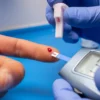
The Glucose Post-Prandial (PP), Plasma test measures the blood sugar level two hours after eating a meal. It evaluates how effectively the body processes glucose following food intake. This test is commonly used to detect abnormalities in carbohydrate metabolism, especially in people at risk of diabetes or those already diagnosed with the condition.
Uses
This test is used to:
- Diagnose diabetes mellitus and prediabetes.
- Assess post-meal glucose control in individuals with diabetes.
- Monitor effectiveness of diabetes medications, insulin, or lifestyle changes.
- Screen high-risk individuals with borderline fasting glucose levels.
Symptoms That May Lead to the Test
A doctor may recommend this test if you have symptoms of high blood sugar such as excessive thirst, frequent urination, unexplained weight changes, fatigue, blurred vision, or recurrent infections. It may also be advised in routine health check-ups, especially for individuals with risk factors like obesity, family history of diabetes, or hypertension.
Abnormal Results
Normal: Less than 140 mg/dL at 2 hours post meal.
Prediabetes (Impaired Glucose Tolerance): 140–199 mg/dL.
Diabetes Mellitus: 200 mg/dL or higher.
Interpretation is often combined with fasting glucose and HbA1c levels for a more complete assessment of glucose control.
Risks
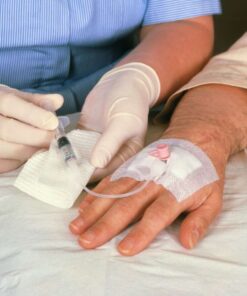
The test involves a standard blood draw, with minimal risks such as mild pain, bruising, or dizziness at the puncture site. These side effects are usually short-lived and self-resolving.


Reviews
There are no reviews yet.