GTT-3, Glucose Tolerance Test, Plasma & Urine
What it is
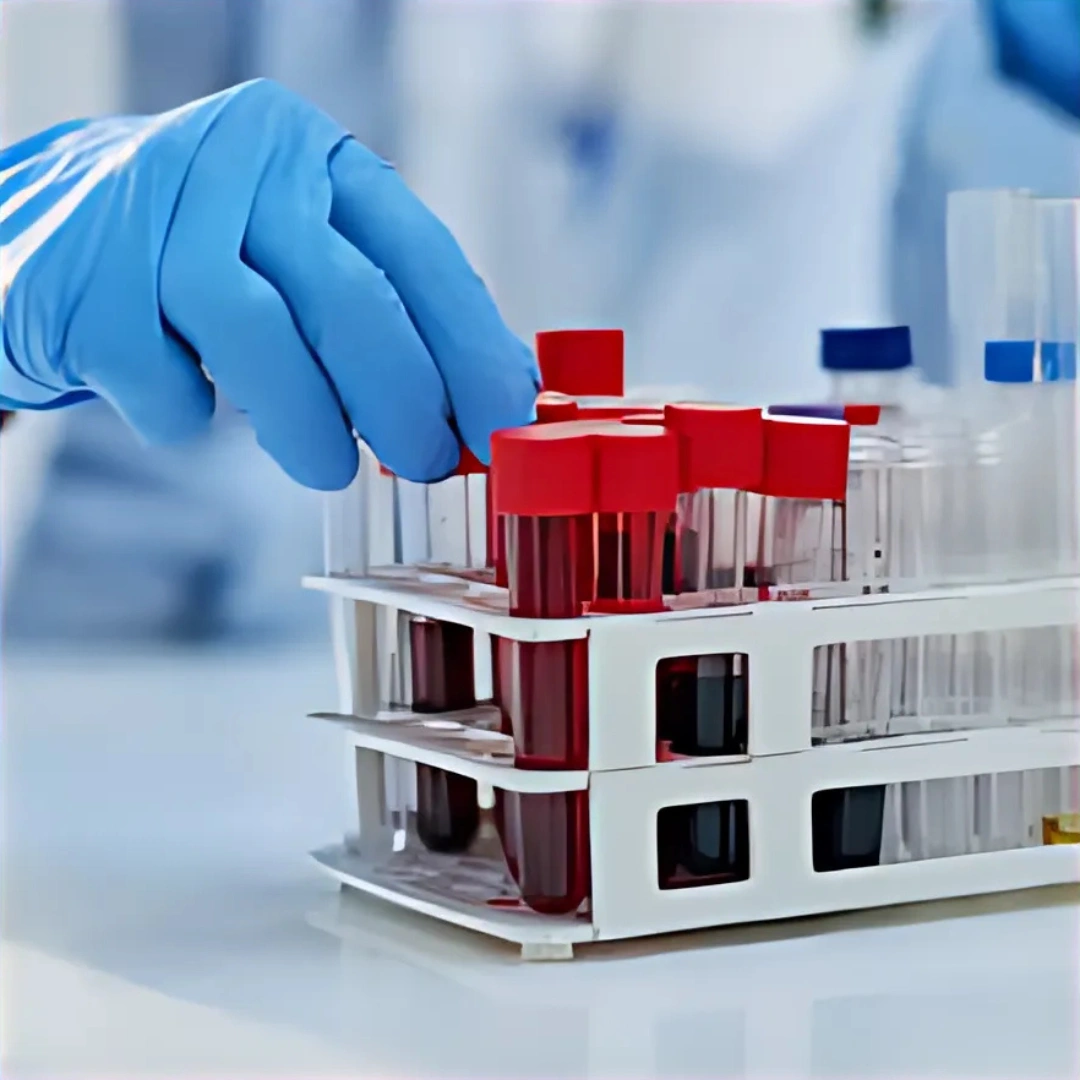
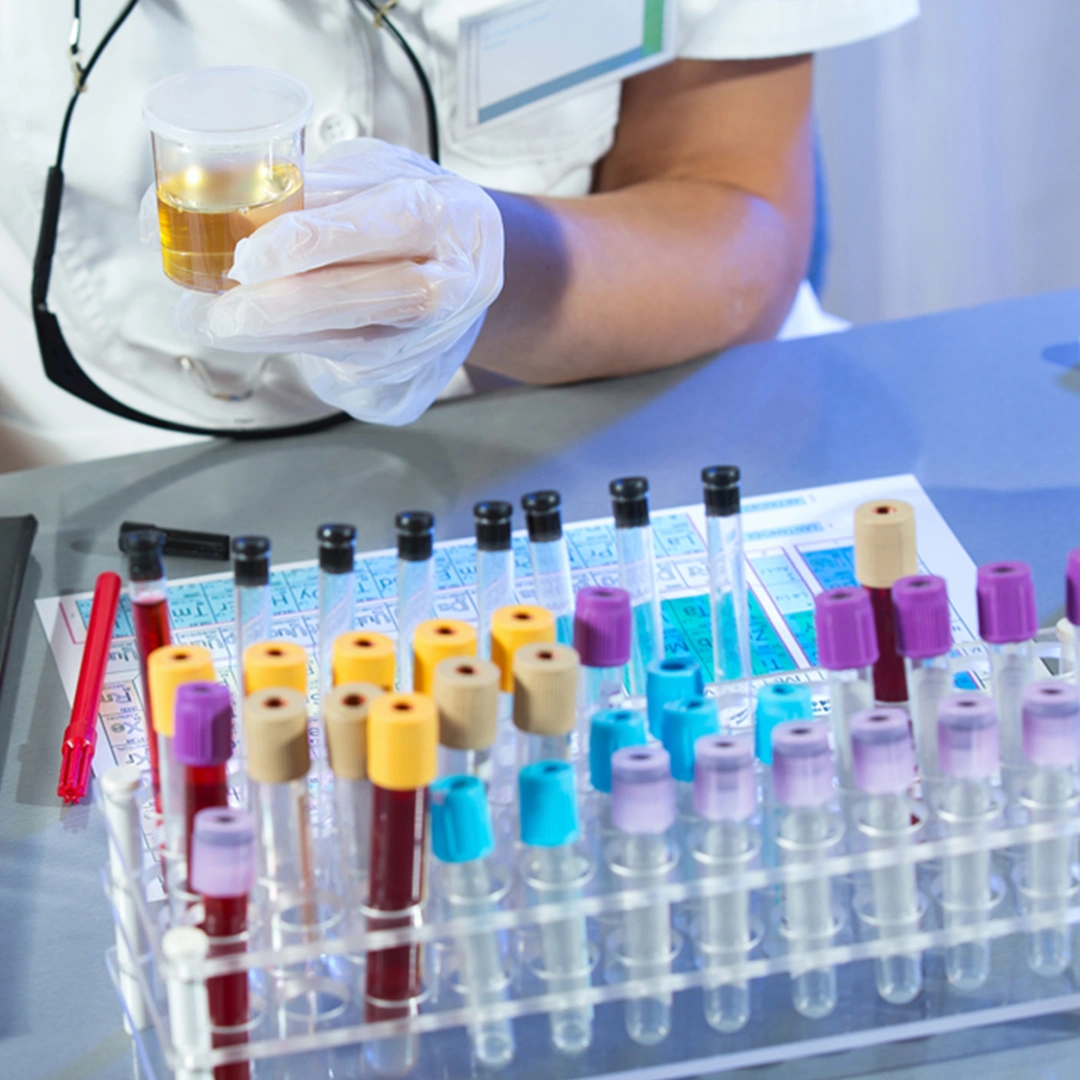
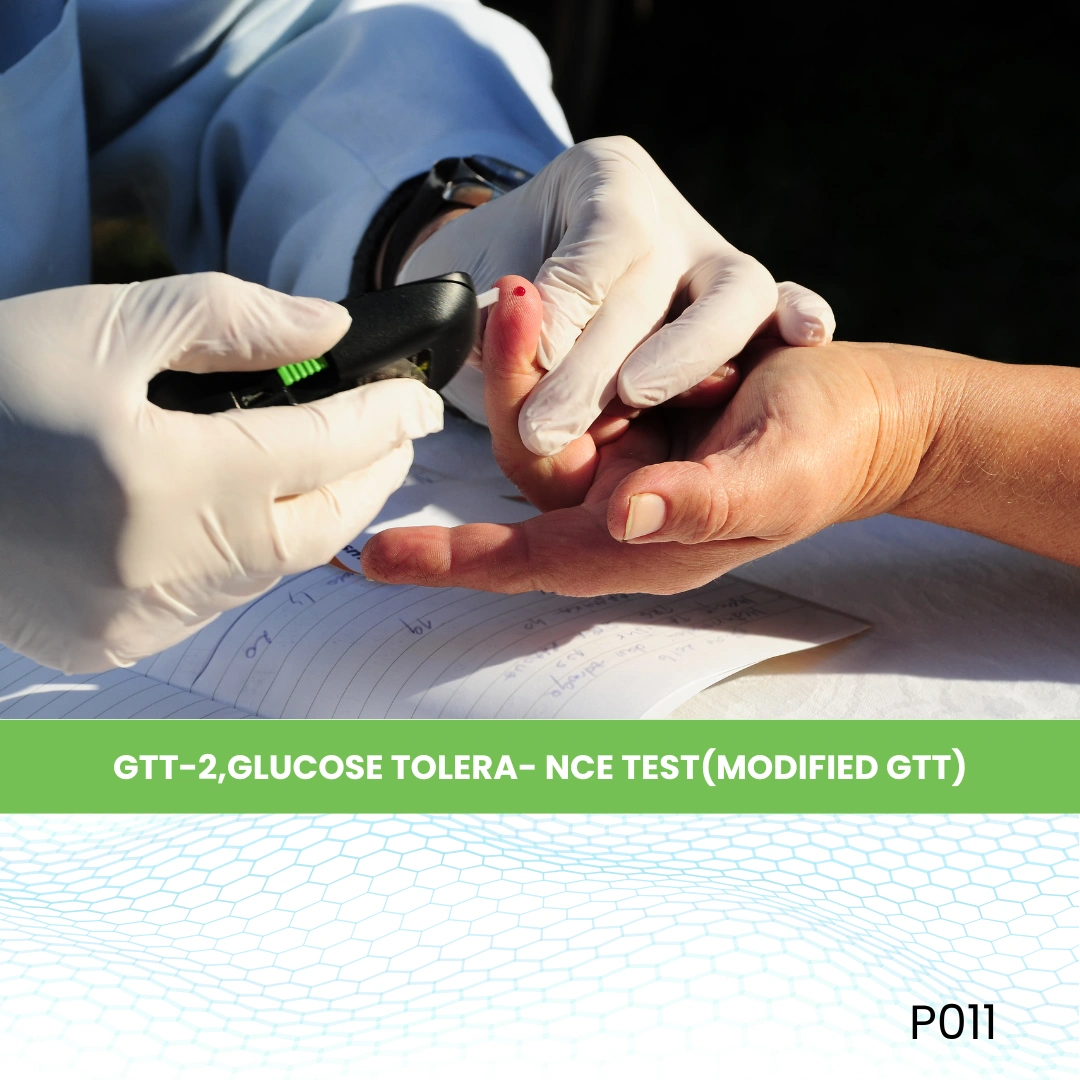
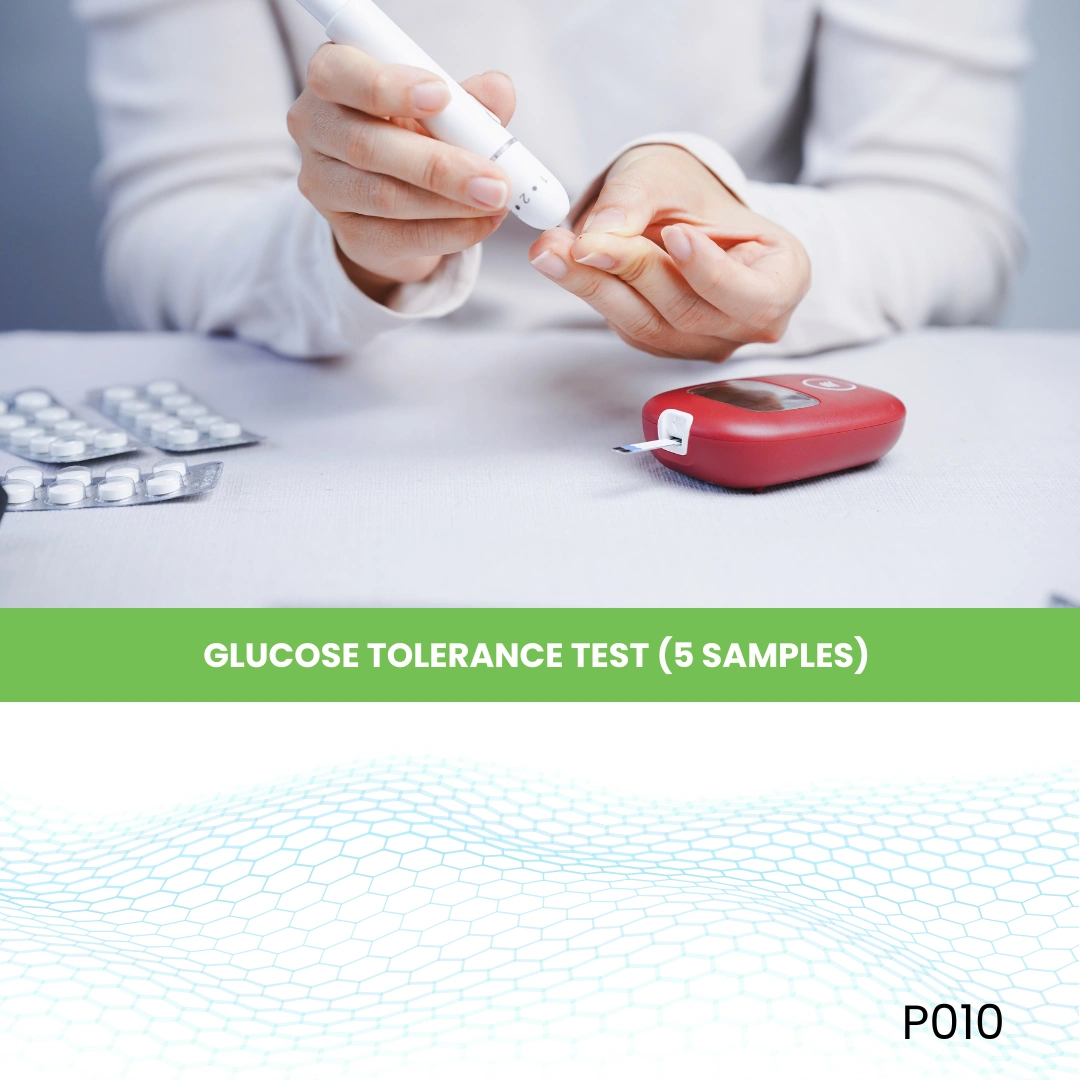
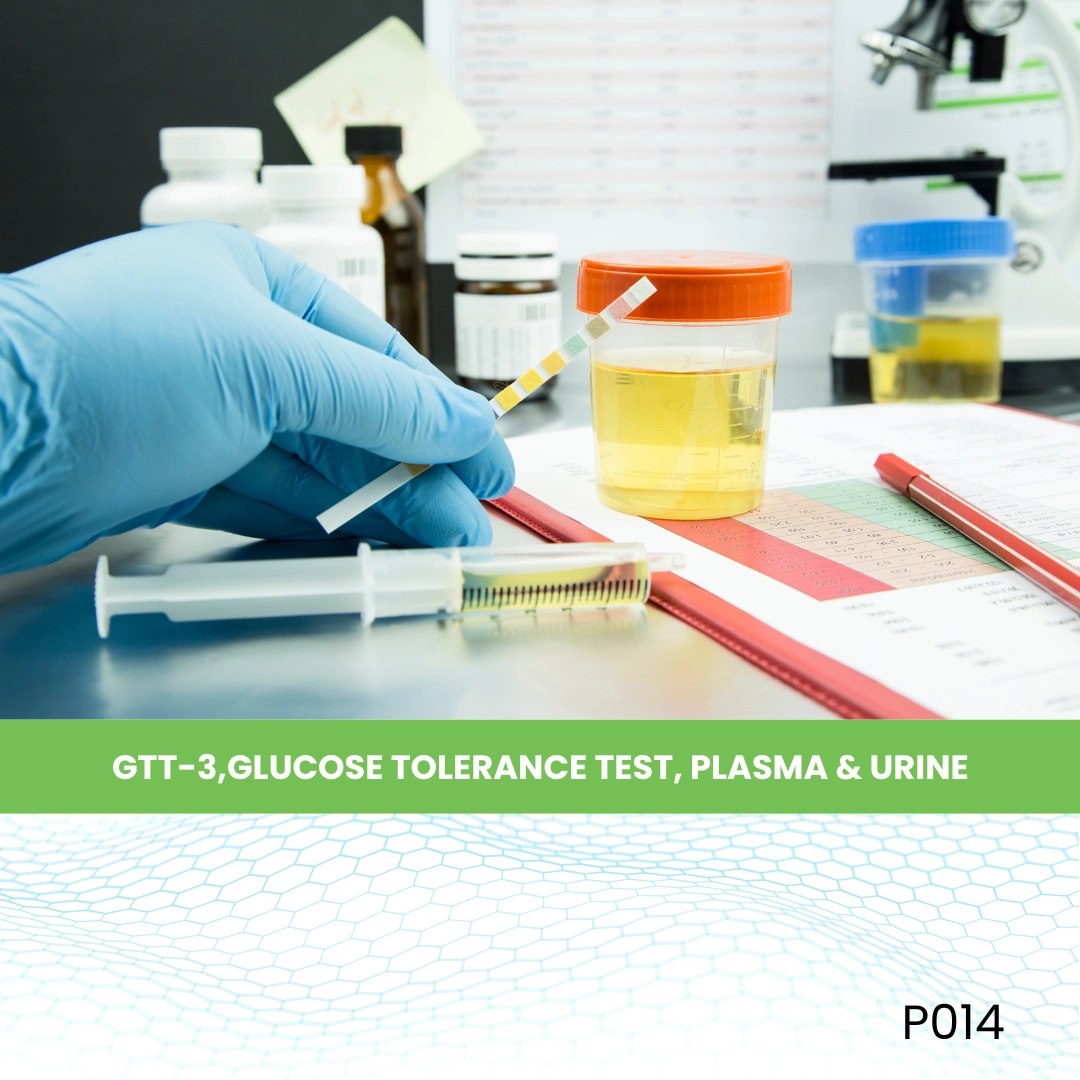
The GTT-3, Glucose Tolerance Test, Plasma & Urine is a diagnostic test that evaluates how the body metabolizes glucose by measuring blood sugar and urine glucose levels over time. After an overnight fast, a baseline blood and urine sample are collected, followed by ingestion of a glucose solution (commonly 75–100 g). Additional plasma and urine samples are collected at intervals—typically fasting, 1 hour, and 2 hours—to check for abnormal glucose handling and renal glucose excretion.
Uses
This test is used to:
- Diagnose diabetes mellitus and prediabetes.
- Screen for gestational diabetes in pregnant women.
- Assess impaired glucose tolerance and abnormal renal glucose threshold.
- Evaluate both blood glucose regulation and kidney’s handling of glucose together.
Symptoms That May Lead to the Test
Doctors may recommend this test if you have symptoms such as excessive thirst, frequent urination, unexplained weight loss, fatigue, or recurrent infections. It is also performed in pregnant women (usually 24–28 weeks) to check for gestational diabetes and in individuals with borderline fasting glucose results or family history of diabetes.
Abnormal Results
Plasma Glucose:
- Normal: 2-hour glucose <140 mg/dL.
- Prediabetes (Impaired Glucose Tolerance): 140–199 mg/dL.
- Diabetes Mellitus: ≥200 mg/dL at 2 hours.
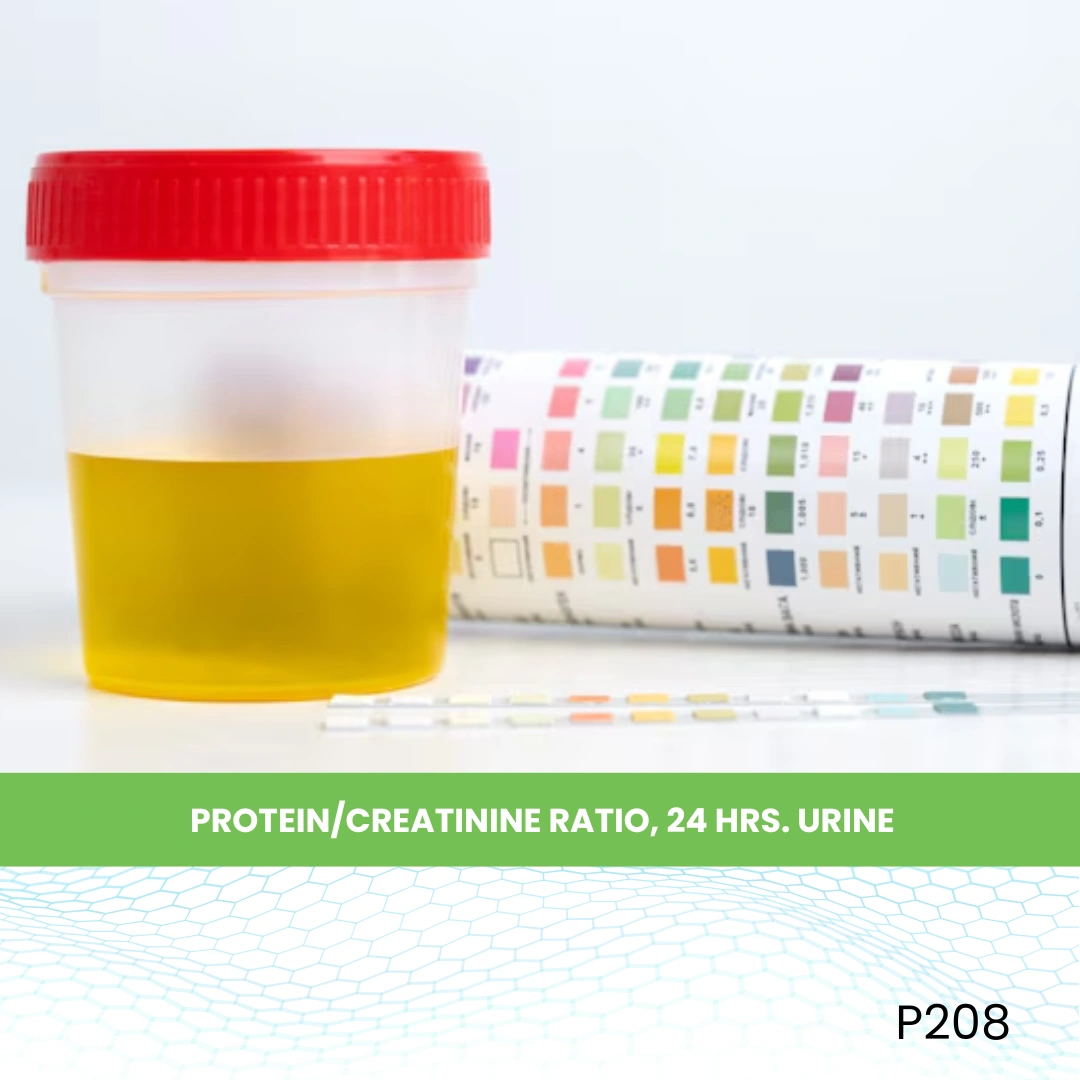
Urine Glucose: Normally absent or minimal. Presence of significant glucose in urine during the test suggests poor blood glucose control or lowered renal threshold for glucose.
Combined plasma and urine results provide a clearer picture of both metabolic and renal function.
Risks
The test involves fasting, ingestion of a glucose drink, and three blood draws plus urine collection. Risks are minimal, including mild nausea, dizziness, or headache after the glucose load, as well as slight bruising or discomfort at the blood draw site. Urine collection is non-invasive and carries no risks.


Reviews
There are no reviews yet.