H. pylori Antigen
What it is
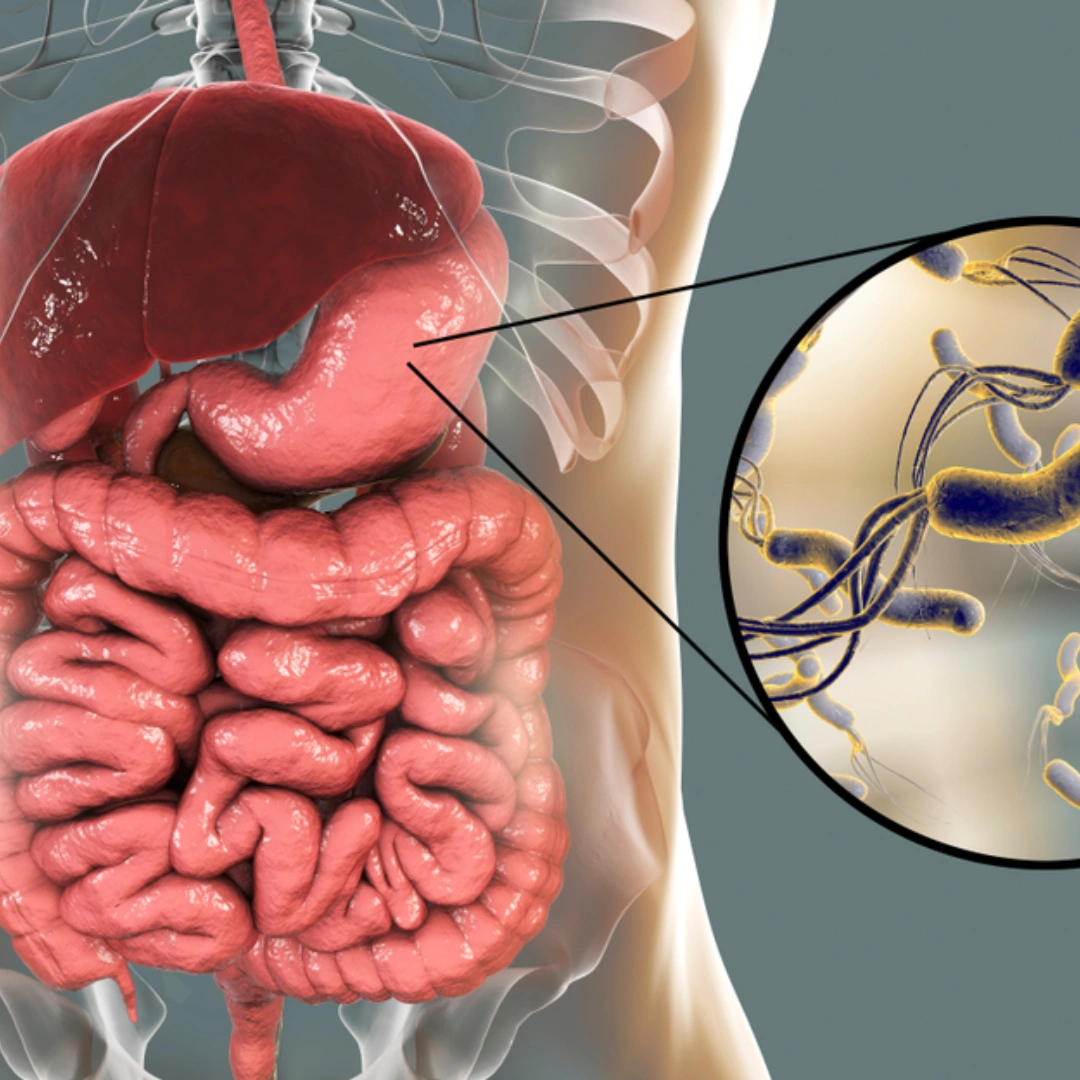
The H. pylori Antigen test detects the presence of Helicobacter pylori (H. pylori) antigens in a stool sample. H. pylori is a bacterium that infects the stomach lining and is a major cause of chronic gastritis, peptic ulcers, and can increase the risk of gastric cancer. This non-invasive stool antigen test is widely used for both diagnosis and monitoring treatment success.
Uses
This test is used to:
- Diagnose active H. pylori infection in patients with gastrointestinal symptoms.
- Confirm eradication of H. pylori infection after antibiotic treatment.
- Assist in evaluating unexplained gastric inflammation, ulcers, or dyspepsia.
- Provide a non-invasive alternative to endoscopy-based biopsy and urea breath test.
Symptoms That May Lead to the Test
Your doctor may recommend the H. pylori antigen test if you have persistent gastrointestinal symptoms such as abdominal pain, bloating, nausea, loss of appetite, frequent burping, unexplained weight loss, vomiting, or signs of gastric/duodenal ulcers.
Abnormal Results
Positive Result: Indicates active H. pylori infection. This usually requires a combination of antibiotics and acid-reducing medications (triple or quadruple therapy).
Negative Result: Suggests no current H. pylori infection. However, false negatives can occur if the patient is on antibiotics, proton pump inhibitors (PPIs), or bismuth-containing medications—repeat testing may be needed.
Risks
The test is non-invasive and only requires a stool sample. There are no risks associated with the test itself. The main considerations involve correct sample collection and avoiding recent medications that may interfere with accuracy.


Reviews
There are no reviews yet.