HAM Test (Acidified Serum Lysis Test)
What it is
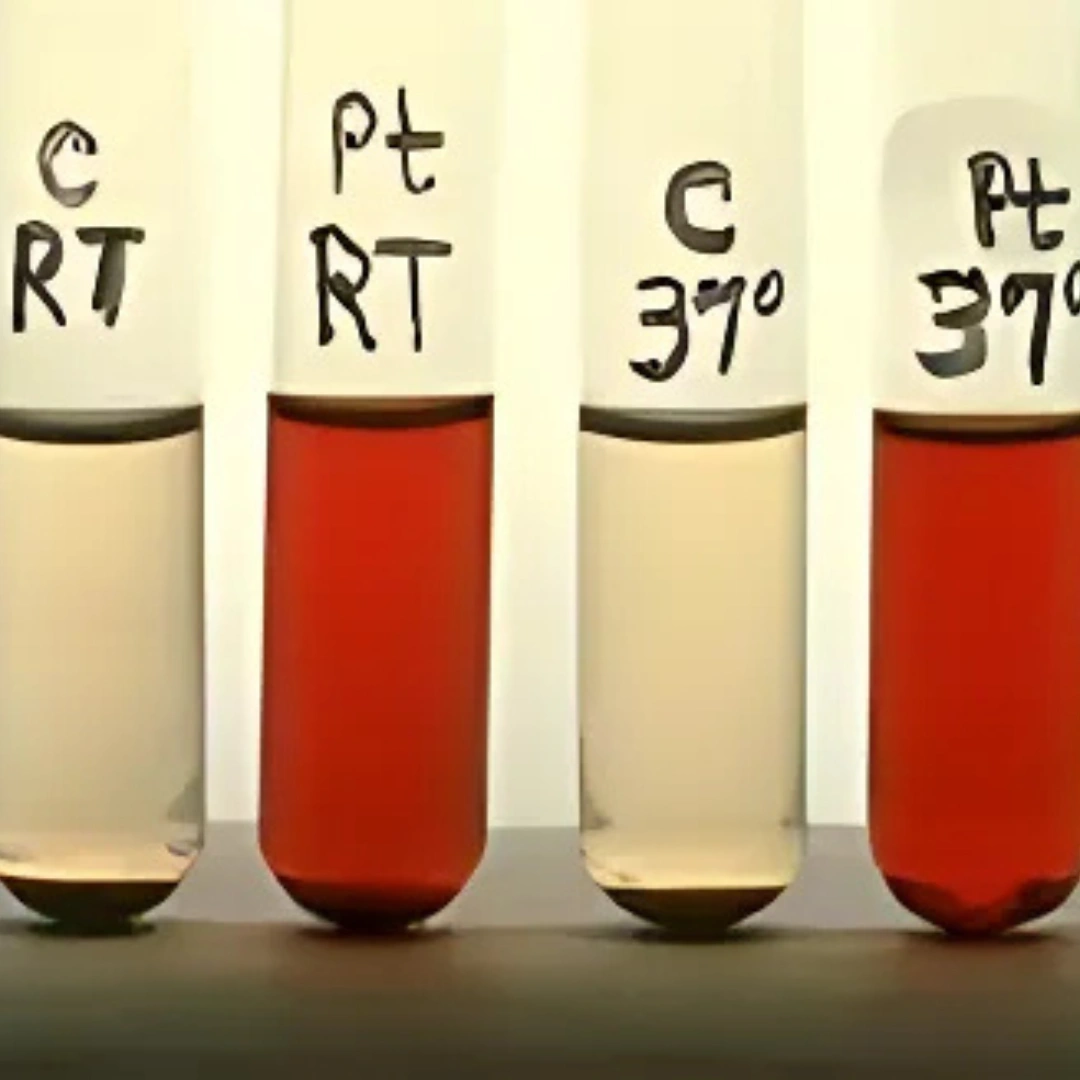
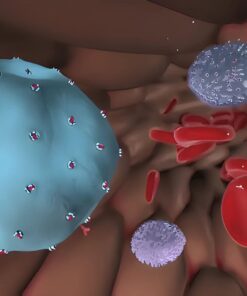
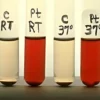
The HAM Test, also known as the Acidified Serum Lysis Test, is a specialized laboratory test used in the diagnosis of Paroxysmal Nocturnal Hemoglobinuria (PNH). In this test, a patient’s red blood cells are exposed to acidified serum. Due to defective protective proteins on the red blood cell surface, cells in PNH patients are highly sensitive to complement-mediated lysis, which can be demonstrated in this assay.
Uses
This test is used to:
- Diagnose Paroxysmal Nocturnal Hemoglobinuria (PNH), a rare acquired bone marrow disorder.
- Differentiate hemolytic anemia of other causes from PNH.
- Support findings from other diagnostic tests such as the Sucrose Hemolysis Test and modern Flow Cytometry for CD55 and CD59 deficiency.
Symptoms That May Lead to the Test
Doctors may order the HAM Test if you have unexplained episodes of dark urine (especially in the morning), fatigue, abdominal pain, difficulty swallowing, blood clots, jaundice, or evidence of ongoing hemolysis with low blood counts.
Abnormal Results
Positive HAM Test: Indicates increased fragility of red blood cells to complement in acidic conditions, strongly suggestive of PNH.
Negative HAM Test: Suggests that red blood cells are resistant to complement-mediated lysis, ruling out PNH as a cause of hemolysis.
Note: Today, flow cytometry detecting absence of GPI-anchored proteins (CD55, CD59) on blood cells is the gold standard test for PNH, while the HAM test is considered a historical or confirmatory method in some settings.
Risks
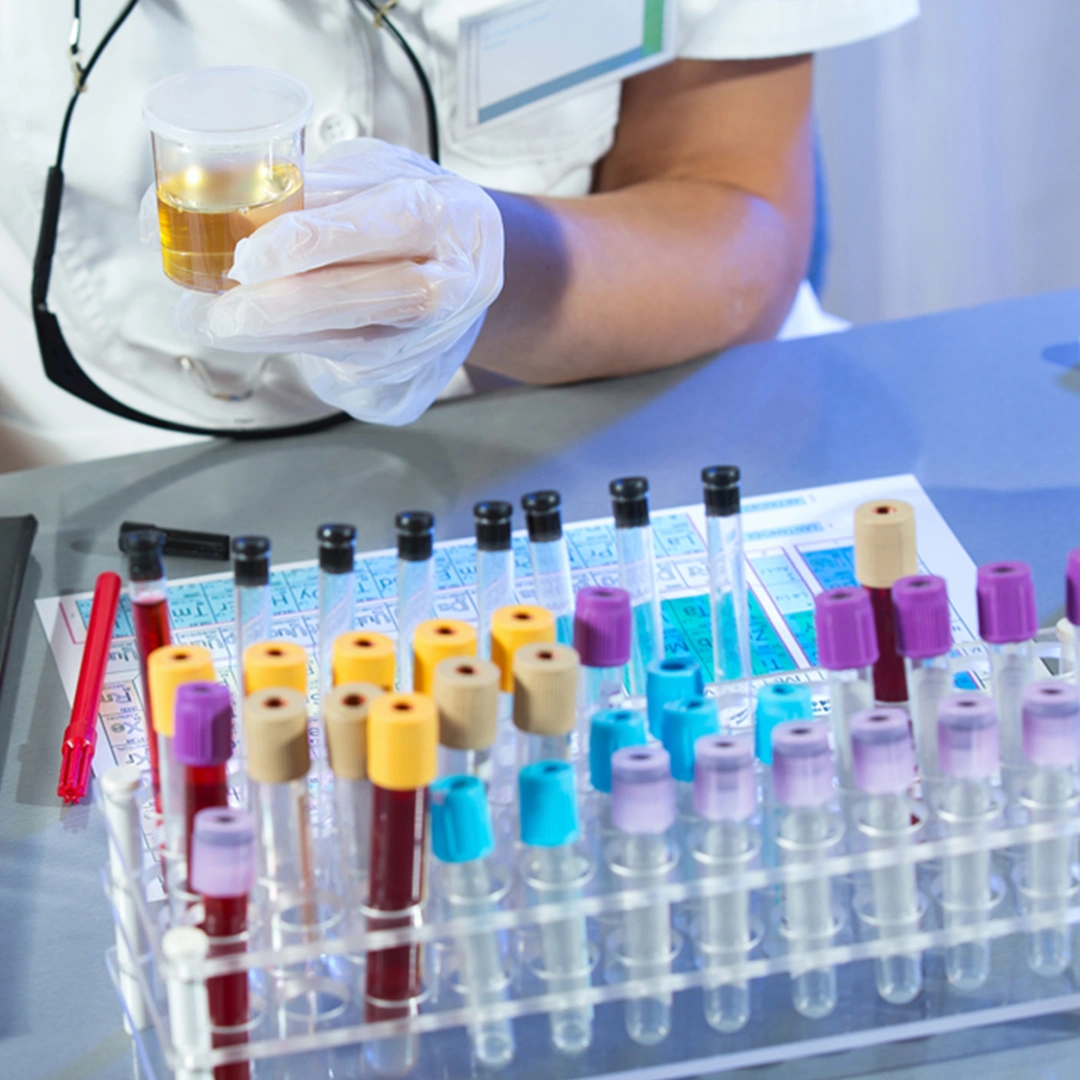
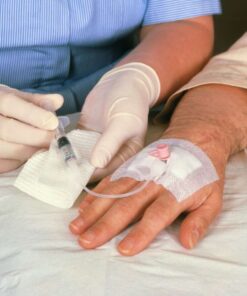
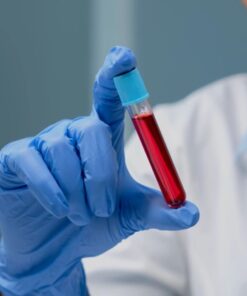
The test itself is performed on collected blood samples. Risks are minimal and limited to routine blood draw procedures such as mild pain, bruising, or temporary dizziness. The assay itself carries no direct risks to the patient.


Reviews
There are no reviews yet.