HAV IgM (Hepatitis A Virus, IgM), Serum
What it is
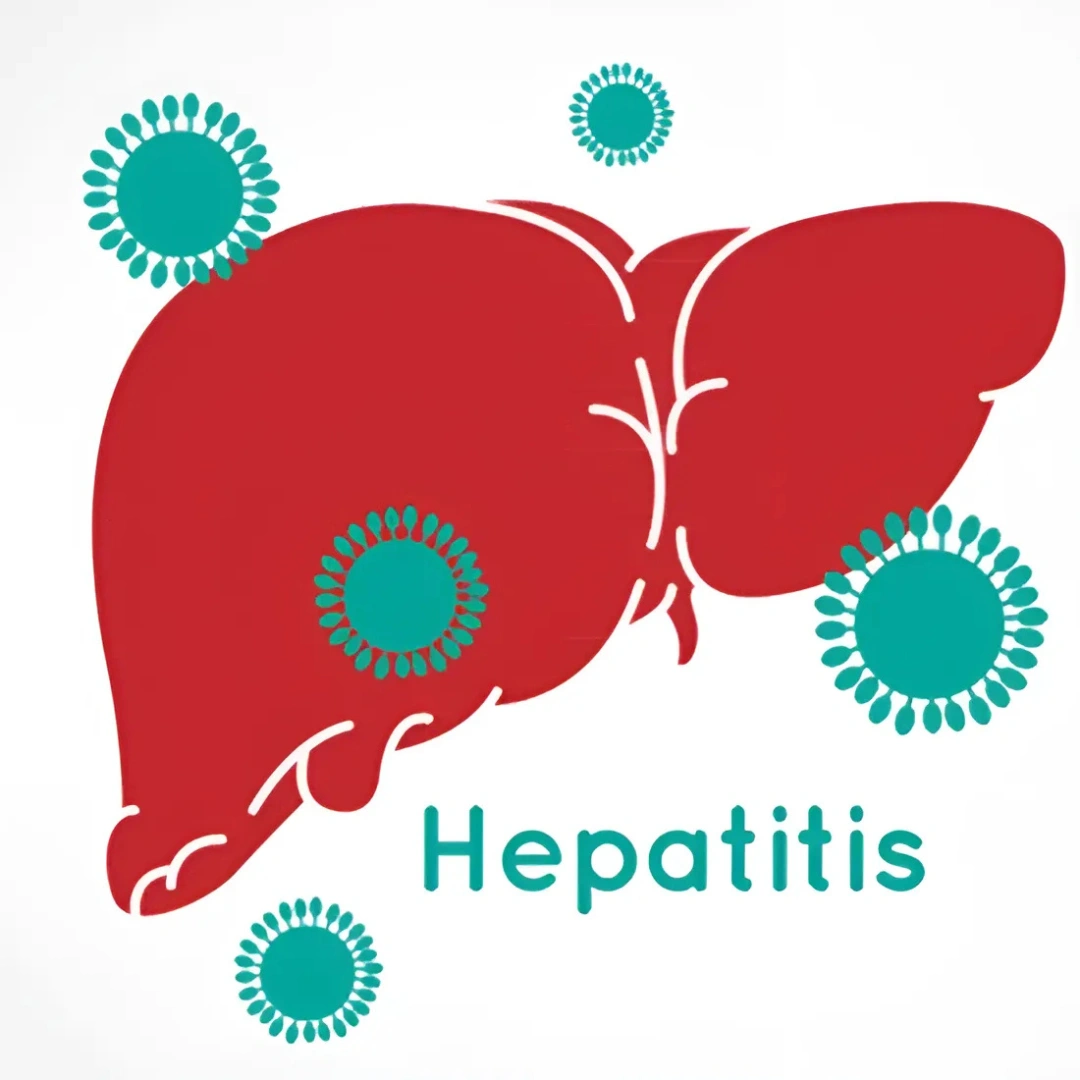
The HAV IgM (Hepatitis A Virus, IgM) test detects IgM class antibodies against the hepatitis A virus in the blood. Hepatitis A is a highly contagious viral infection that affects the liver, usually spread through contaminated food, water, or close contact with an infected person. The presence of IgM antibodies indicates a recent or ongoing acute infection.
Uses
This test is used to:
- Diagnose acute hepatitis A infection.
- Differentiate hepatitis A from other viral hepatitis infections (B, C, E).
- Investigate unexplained jaundice, elevated liver enzymes, or sudden liver dysfunction.
- Assist in outbreak investigation and public health monitoring.
Symptoms That May Lead to the Test
Doctors may recommend this test if you show symptoms such as jaundice (yellowing of skin or eyes), fatigue, nausea, vomiting, abdominal pain, dark urine, pale stools, loss of appetite, or sudden liver inflammation. It is also performed in people with exposure to suspected hepatitis A sources.
Abnormal Results
Positive HAV IgM: Indicates a recent or active hepatitis A infection. Patients are usually contagious at this stage and require supportive care, though the disease is self-limiting in most cases.
Negative HAV IgM: Suggests no current acute infection. If total HAV antibodies (IgG) are positive, it indicates past infection or immunity from vaccination.
Risks
The test requires a routine blood draw. Risks are minimal and may include mild pain, bruising, or dizziness at the puncture site, all of which are temporary.


Reviews
There are no reviews yet.