HB, TLC, DLC, ESR (Whole Blood)
What it is
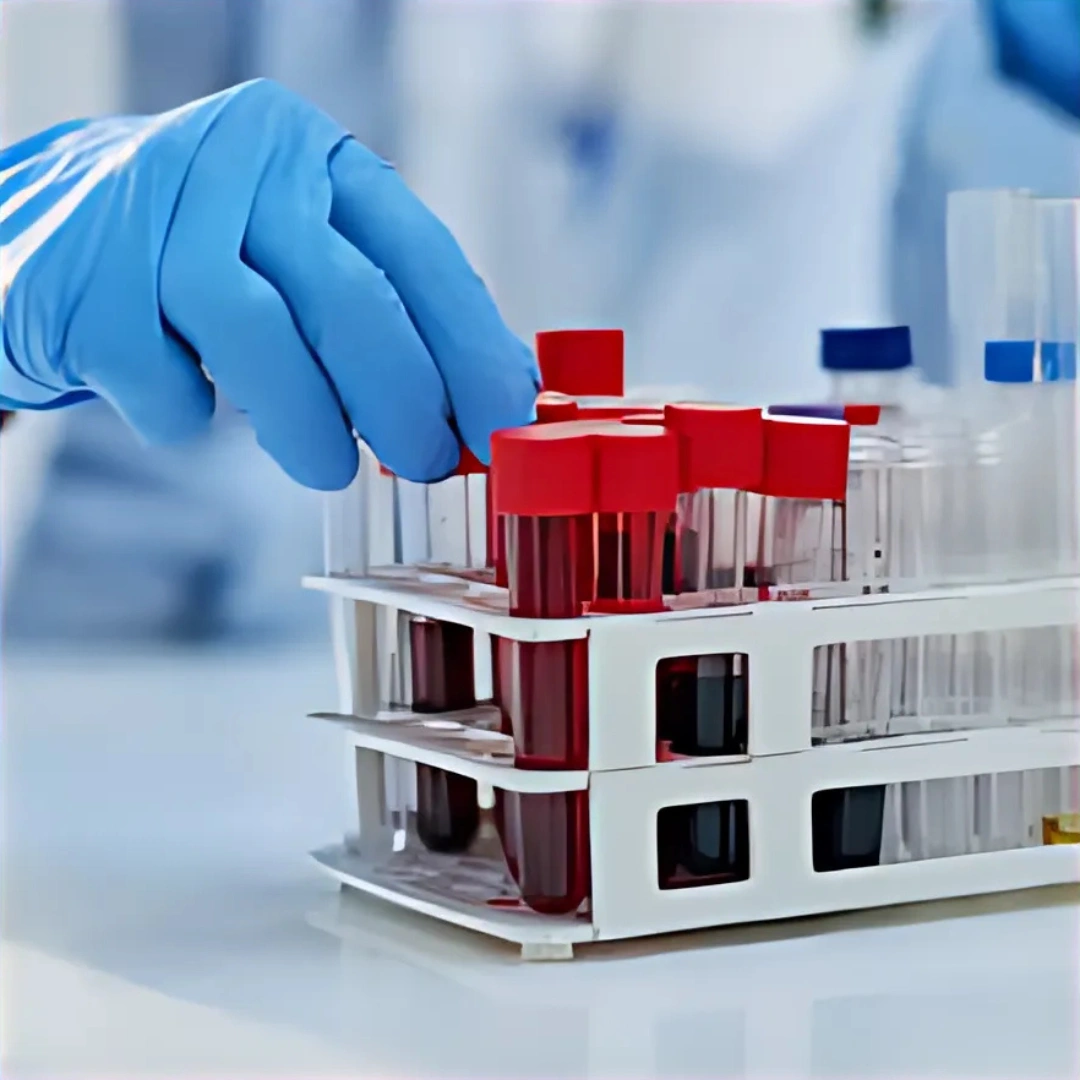
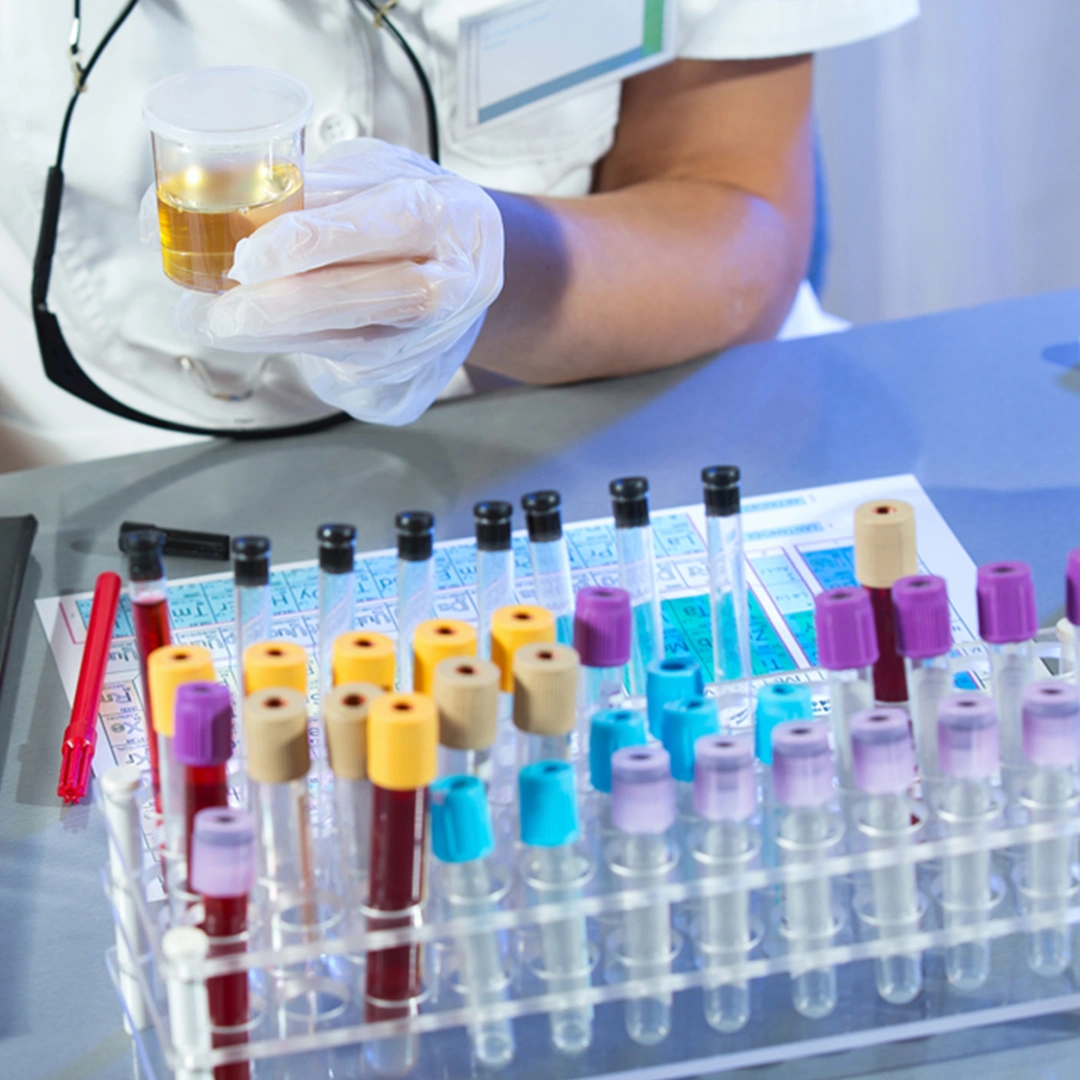
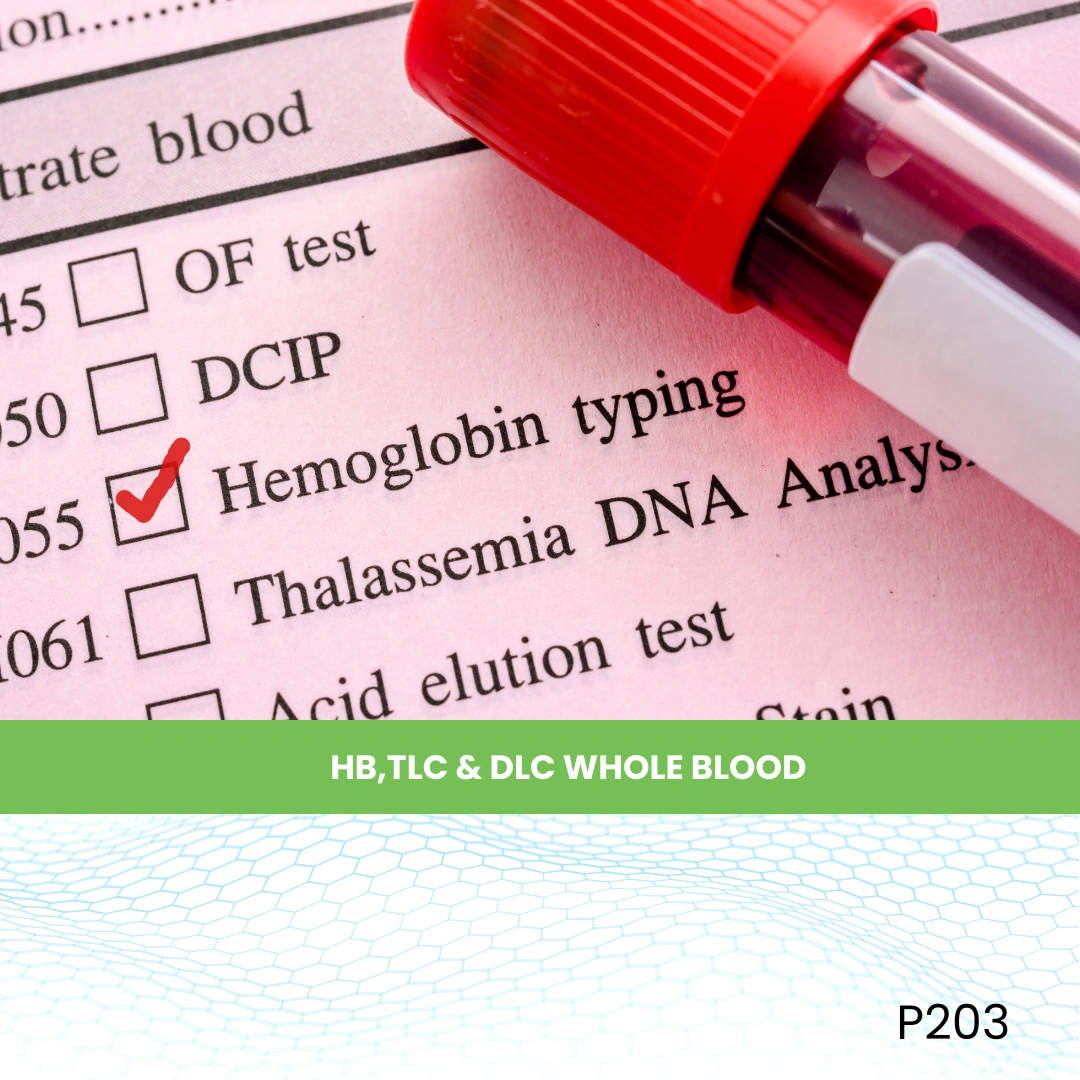
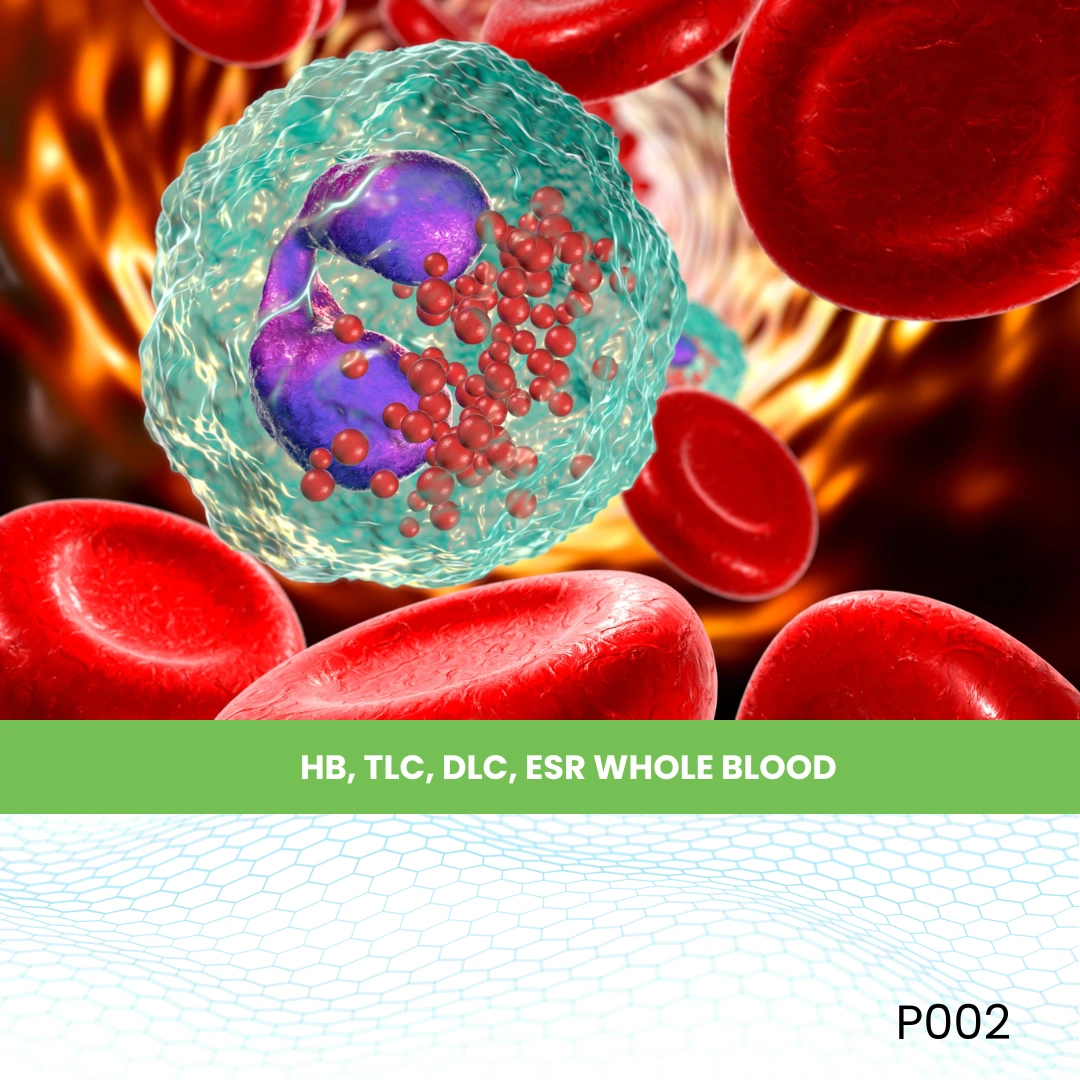
The HB, TLC, DLC, ESR test is a group of routine hematology investigations performed on whole blood. It includes:
- Hemoglobin (Hb): Measures the oxygen-carrying protein in red blood cells.
- Total Leukocyte Count (TLC): Counts the total number of white blood cells, reflecting immune system activity.
- Differential Leukocyte Count (DLC): Breaks down white blood cells into subtypes (neutrophils, lymphocytes, monocytes, eosinophils, basophils).
- Erythrocyte Sedimentation Rate (ESR): Measures the rate at which red blood cells settle at the bottom of a tube, indicating inflammation.
Uses
This combined panel is used to:
- Screen for anemia, infections, and inflammatory conditions.
- Help diagnose blood disorders and immune-related diseases.
- Monitor patients with chronic conditions such as tuberculosis, arthritis, or autoimmune disorders.
- Assist in pre-operative or general health check-ups.
Symptoms That May Lead to the Test
Your doctor may order this set of tests if you have persistent fatigue, unexplained fever, weight loss, weakness, frequent infections, joint pain, or signs of chronic inflammation. It is also commonly done during routine wellness assessments.
Abnormal Results
Low Hemoglobin: Suggests anemia due to iron, vitamin deficiency, blood loss, or chronic illness.
High/Low TLC: High levels may suggest infections or leukemia; low levels may indicate viral illness, bone marrow suppression, or immunodeficiency.
Abnormal DLC: Elevated neutrophils may indicate bacterial infection, while raised lymphocytes point to viral infections. Increased eosinophils may suggest allergies or parasitic infections.
High ESR: Indicates active inflammation, autoimmune disease, chronic infection, or certain cancers, but it is non-specific and must be correlated clinically.
Risks
This panel requires a simple blood draw. Risks are minimal and limited to mild pain, bruising, or temporary dizziness at the puncture site. These usually resolve quickly.


Reviews
There are no reviews yet.