HBsAg (Hepatitis B Surface Antigen), Serum
What it is
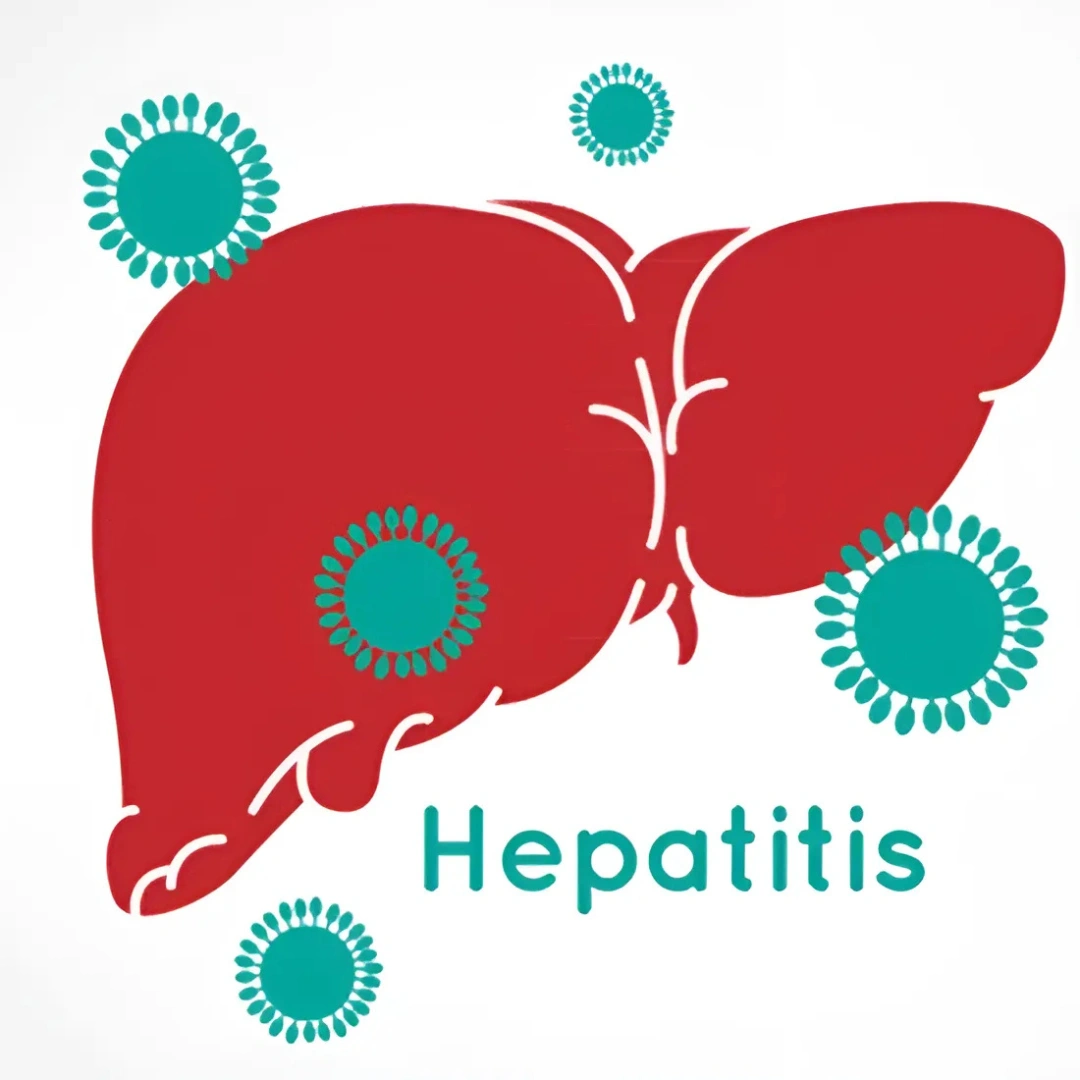
The HBsAg (Hepatitis B Surface Antigen) test detects the presence of the surface antigen of the hepatitis B virus (HBV) in the blood. It is the earliest marker of active HBV infection, appearing before symptoms and other antibodies. The presence of HBsAg indicates that the person is infected with hepatitis B and can spread the virus to others.
Uses
This test is used to:
- Diagnose acute or chronic hepatitis B infection.
- Screen blood donors to prevent transmission of HBV.
- Identify carriers of hepatitis B who may be asymptomatic but infectious.
- Monitor the effectiveness of hepatitis B treatment.
- Screen pregnant women to prevent mother-to-child transmission of HBV.
Symptoms That May Lead to the Test
Your doctor may recommend this test if you have signs and symptoms of hepatitis such as jaundice (yellowing of skin/eyes), fatigue, abdominal pain, nausea, dark urine, pale stools, or unexplained liver enzyme elevation. It is also routinely used in high-risk individuals (e.g., healthcare workers, patients on dialysis, IV drug users).
Abnormal Results
Positive HBsAg: Indicates active hepatitis B infection (acute or chronic). Persistence of HBsAg for more than 6 months usually suggests chronic HBV infection.
Negative HBsAg: Suggests no current HBV infection. However, if there has been recent exposure, repeat testing may be needed because HBsAg appears early in infection.
Further tests such as anti-HBs, anti-HBc, and HBV DNA are often recommended for complete evaluation.
Risks
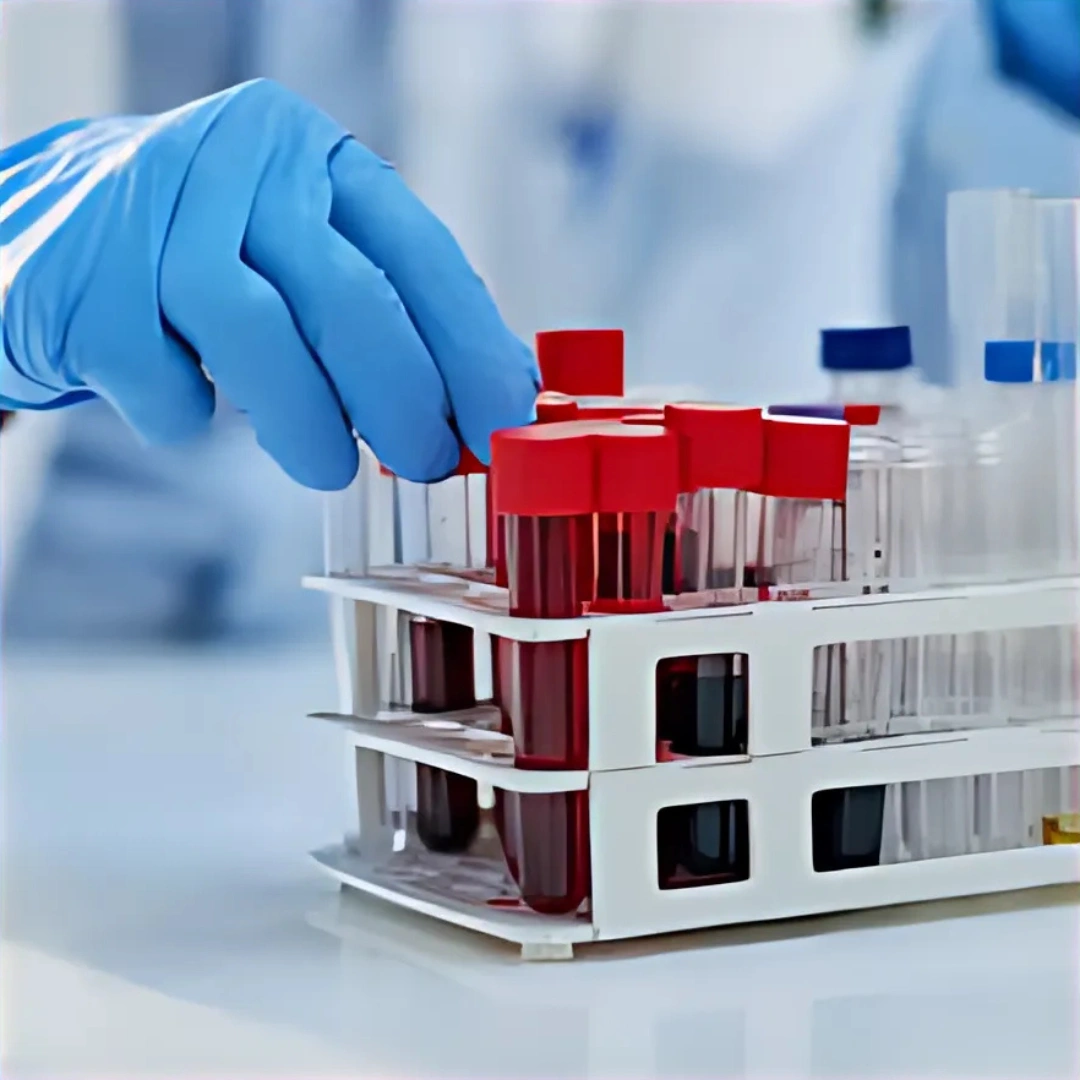
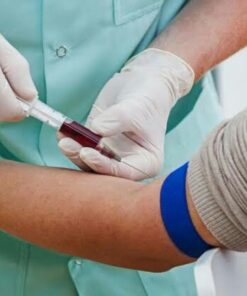
The test involves a routine blood draw. Risks are minimal and may include mild bruising, slight pain, or temporary dizziness at the puncture site. These are short-lived and resolve quickly.


Reviews
There are no reviews yet.