HCV Viral Load and HCV Genotyping
What it is
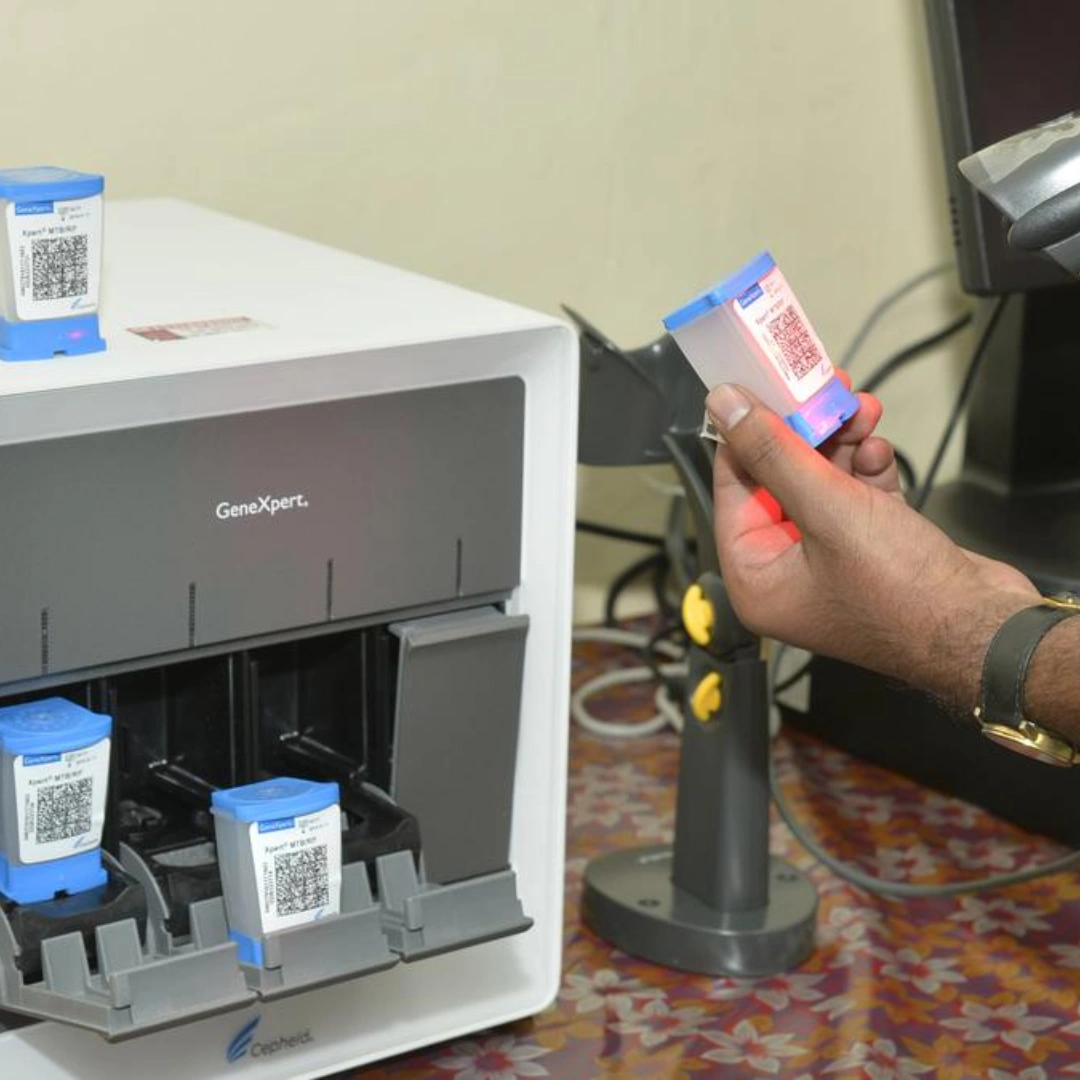
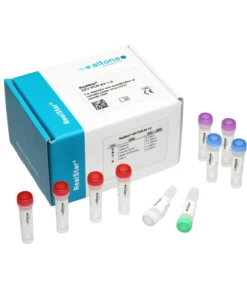
The HCV Viral Load and HCV Genotyping tests are advanced molecular diagnostics used in the management of Hepatitis C virus (HCV) infection. The Viral Load (Quantitative Assay) measures the amount of HCV RNA in the blood, indicating how actively the virus is replicating. The Genotyping Test identifies the specific genetic strain of HCV (genotypes 1–6 and subtypes), which influences treatment decisions. Together, these tests provide a comprehensive view of infection severity and guide personalized therapy.
Uses
This combined testing is used to:
- Confirm active hepatitis C infection and establish baseline viral load.
- Determine the specific genotype of the HCV virus.
- Guide the choice, combination, and duration of antiviral medications.
- Monitor treatment effectiveness and determine sustained virologic response (SVR), which indicates cure.
- Predict disease progression risk, including cirrhosis or liver cancer.
Symptoms That May Lead to the Test
Your doctor may order these tests if you have confirmed HCV infection and require treatment planning or monitoring. Typical symptoms and indications include persistent fatigue, jaundice, dark urine, abdominal pain or swelling, loss of appetite, unexplained liver enzyme abnormalities, or history of exposure to bloodborne infections (e.g., unsafe transfusions, IV drug use, unprotected sex).
Abnormal Results
High Viral Load: Suggests active viral replication and higher risk of liver injury. Requires close monitoring and often antiviral therapy.
Low/Undetectable Viral Load: Indicates successful treatment or good immune control. Undetectable levels sustained for 12–24 weeks after therapy indicate functional cure (SVR).
Genotype Detection: Identifies specific HCV strains. For example, Genotype 1 often requires different treatment duration than Genotype 3, which is linked to faster progression of liver disease.
No Genotype Detected: May suggest resolved infection or viral load too low for analysis. Repeat or follow-up testing may be necessary.
Risks
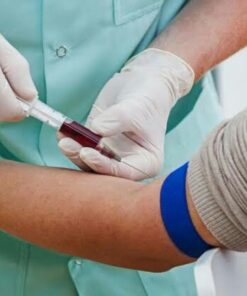
Both tests require a simple blood draw. Risks are minimal and limited to mild pain, bruising, or dizziness at the puncture site. These usually resolve quickly without complications.


Reviews
There are no reviews yet.