HCV Viral Load (Quantitative) Assay
What it is
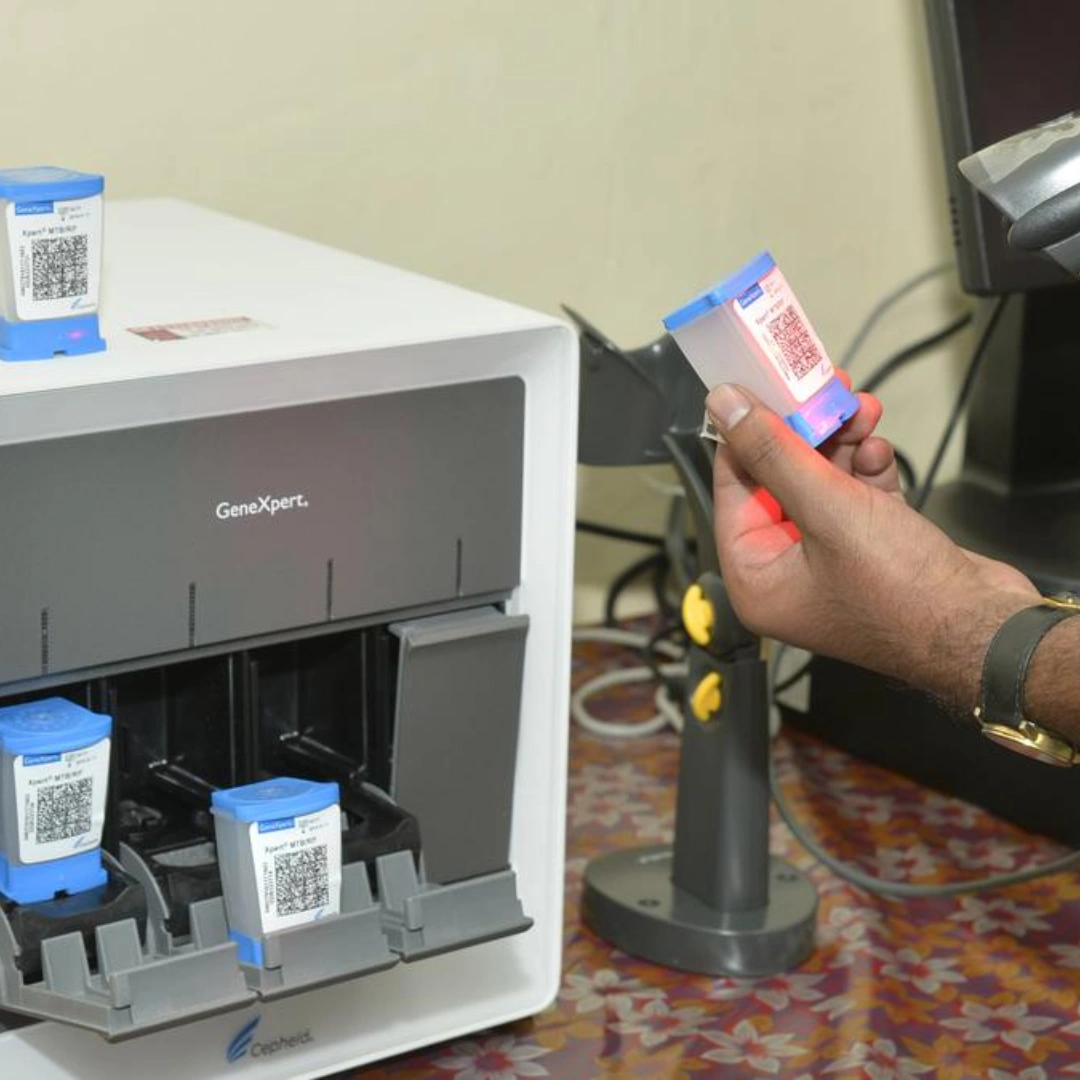
The HCV Viral Load (Quantitative) Assay is a molecular test that measures the exact amount of hepatitis C virus (HCV) RNA present in the blood, expressed as copies/mL or IU/mL. Using advanced techniques like real-time PCR, this test not only confirms active infection but also indicates how actively the virus is replicating. It is essential for diagnosis, treatment planning, and monitoring therapy response.
Uses
This test is used to:
- Determine the baseline viral load before starting HCV treatment.
- Guide the choice and duration of antiviral therapy.
- Monitor the effectiveness of treatment by tracking viral load reduction.
- Assess sustained virologic response (SVR), indicating long-term cure.
- Predict the likelihood of relapse or treatment resistance.
Symptoms That May Lead to the Test
Doctors may order this test if you have confirmed HCV infection and need treatment monitoring. Typical symptoms leading to evaluation include chronic fatigue, jaundice (yellowing of eyes/skin), dark urine, abdominal swelling, nausea, loss of appetite, or persistently abnormal liver function tests.
Abnormal Results
High Viral Load: Suggests active replication and higher risk of liver damage. Patients may require aggressive antiviral therapy.
Low Viral Load: Indicates controlled infection, better prognosis, and usually a favorable response to treatment.
Undetectable Viral Load: Suggests successful treatment or very low virus levels. If maintained for 12–24 weeks after therapy, this is considered a functional cure (SVR).
Note: Results should always be interpreted with HCV genotyping, liver enzyme tests, and imaging or biopsy findings for a complete clinical picture.
Risks
The test requires a standard blood draw. Risks are minimal, limited to mild pain, bruising, or slight dizziness at the puncture site, which usually resolve quickly.


Reviews
There are no reviews yet.