HE4 with ROMA Index
What it is
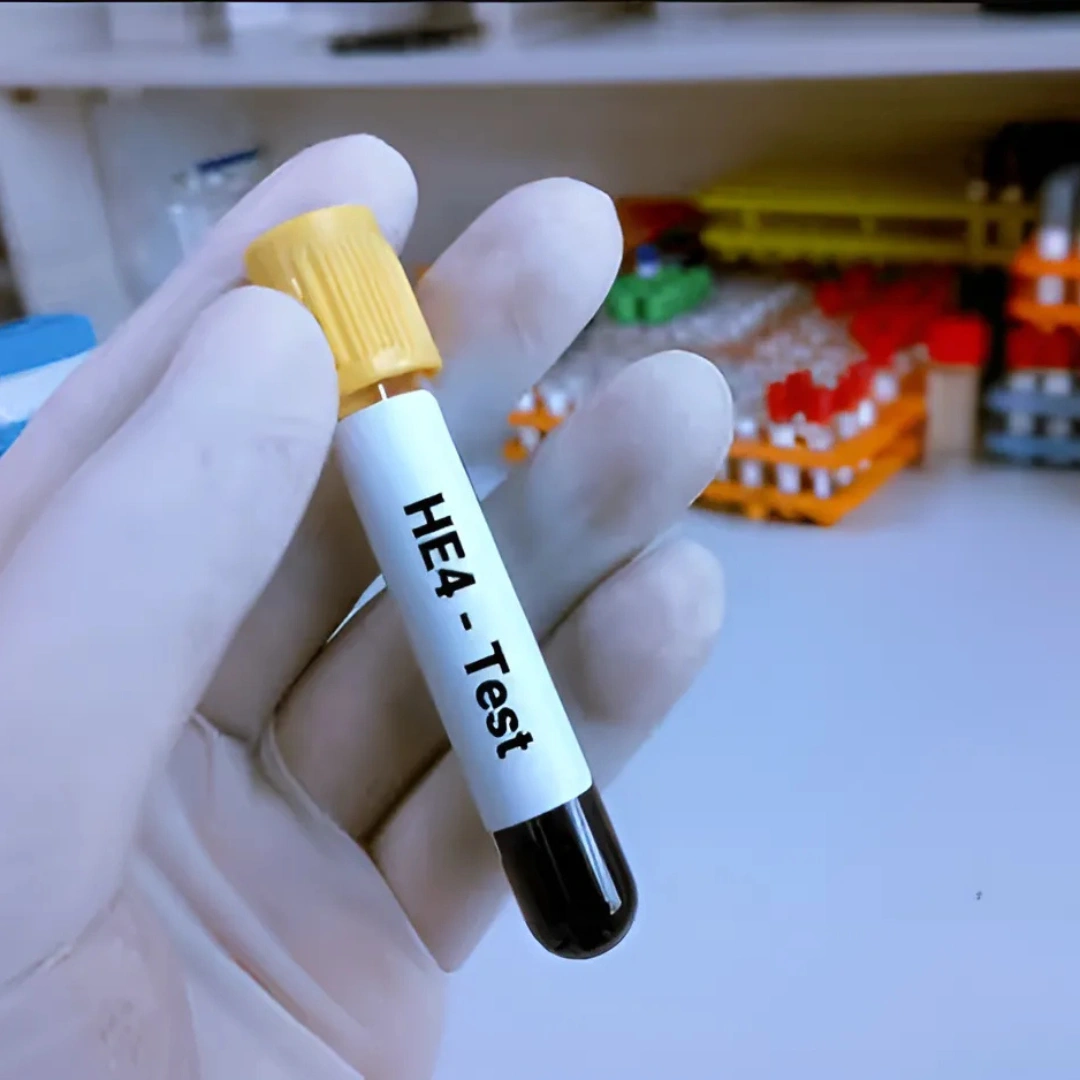
The HE4 with ROMA (Risk of Ovarian Malignancy Algorithm) Index is a specialized diagnostic tool used to evaluate the risk of ovarian cancer in women presenting with pelvic masses. The test measures the blood level of HE4 (Human Epididymis Protein 4), a biomarker often elevated in epithelial ovarian cancer. The ROMA Index combines HE4 with CA-125 levels and menopausal status to calculate a risk score, helping to distinguish between benign and malignant ovarian masses.
Uses
This test is used to:
- Assess the likelihood of ovarian cancer in women with pelvic or adnexal masses.
- Assist clinicians in triaging patients for surgery and referral to gynecologic oncologists.
- Support early detection and improve clinical outcomes through risk-based management.
- Differentiate between premenopausal and postmenopausal risk levels.
Symptoms That May Lead to the Test
Your doctor may order this test if you present with symptoms such as persistent bloating, abdominal or pelvic pain, unexplained weight loss, loss of appetite, urinary urgency, or abnormal vaginal bleeding. It is also often performed when imaging studies detect an ovarian or pelvic mass.
Abnormal Results
High HE4 levels and elevated ROMA score: Suggest increased risk of ovarian malignancy. Patients may require further evaluation, imaging, and referral for specialized care.
Low HE4 levels and normal ROMA score: Indicate a lower likelihood of ovarian cancer, though clinical correlation and follow-up are essential.
Interpretation varies for premenopausal and postmenopausal women, as cut-off values are different for these groups.
Risks
The test requires a routine blood draw. Risks are minimal, including slight bruising, pain, or dizziness at the puncture site. These typically resolve quickly.


Reviews
There are no reviews yet.