Hemoglobin, Whole Blood
What it is
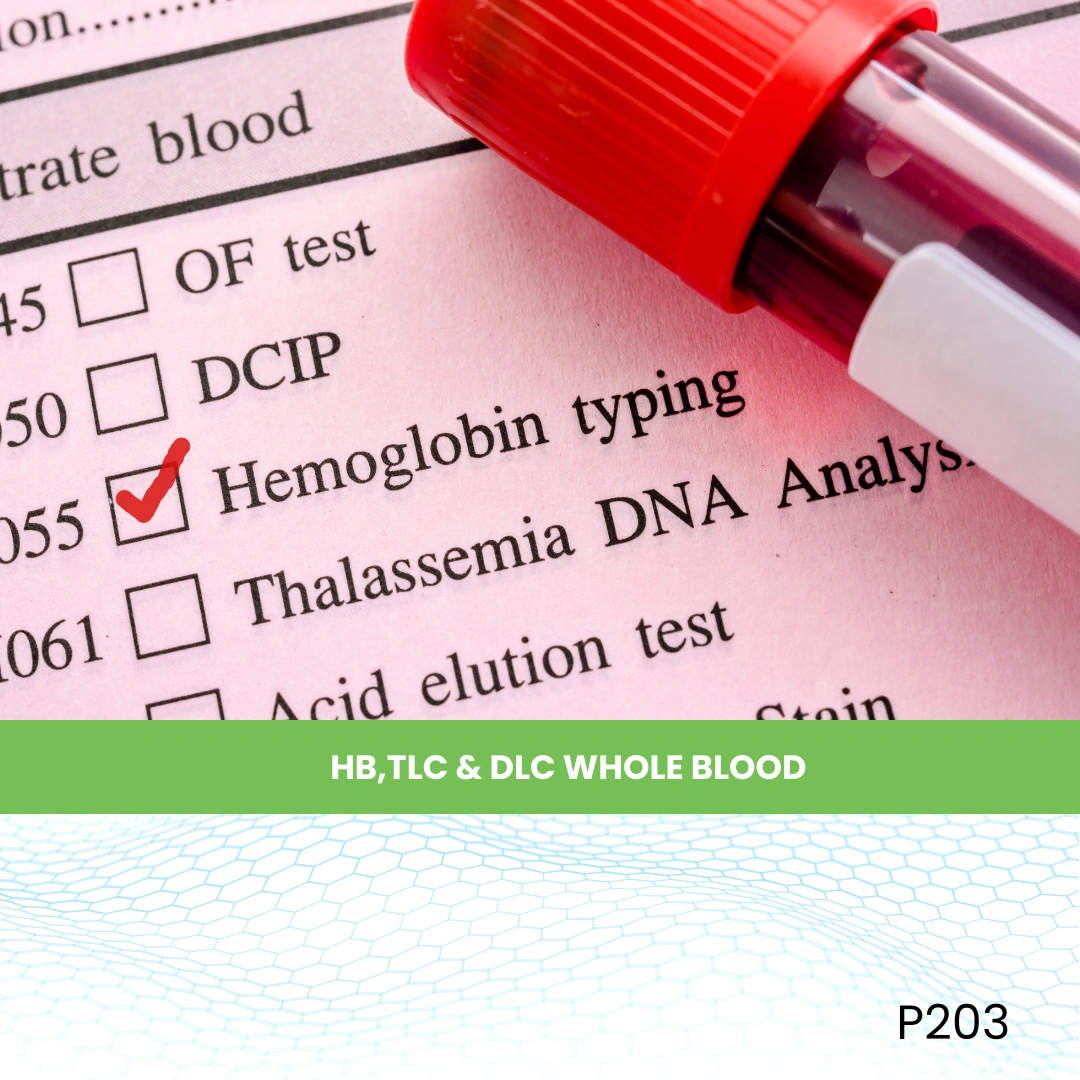
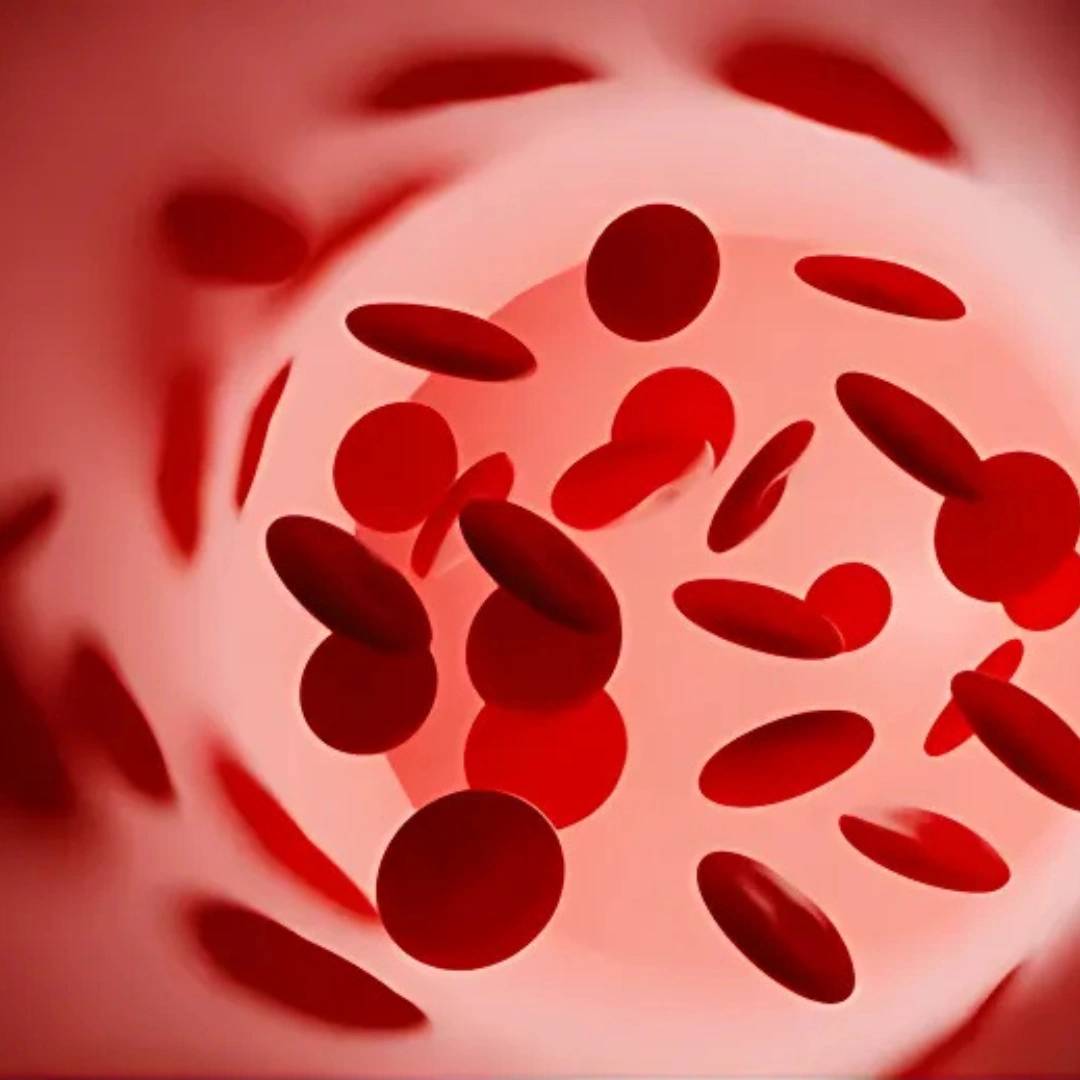
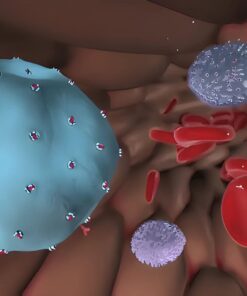
The Hemoglobin (Hb) test measures the concentration of hemoglobin in whole blood. Hemoglobin is the iron-containing protein in red blood cells responsible for carrying oxygen from the lungs to the rest of the body and transporting carbon dioxide back to the lungs for exhalation. It is one of the most commonly performed blood tests and an essential marker of overall blood health.
Uses
This test is used to:
- Screen for and diagnose anemia (low hemoglobin).
- Detect polycythemia (high hemoglobin), which may result from chronic lung disease, heart conditions, or living at high altitudes.
- Monitor patients receiving treatments such as iron therapy, vitamin supplementation, chemotherapy, or blood transfusions.
- Evaluate causes of fatigue, weakness, or pallor in patients.
- Form part of a complete blood count (CBC) for routine health checks.
Symptoms That May Lead to the Test
Your doctor may recommend this test if you experience persistent tiredness, shortness of breath, dizziness, pale or yellowish skin, rapid heartbeat, or unexplained bleeding. It is also ordered for patients with chronic diseases or in preoperative evaluations.
Abnormal Results
Low Hemoglobin: Suggests anemia, which may be due to nutritional deficiencies (iron, vitamin B12, folate), blood loss, chronic illness, or bone marrow problems.
High Hemoglobin: May indicate polycythemia vera, chronic obstructive pulmonary disease (COPD), dehydration, or adaptation to high altitude environments.
Normal Ranges: Typically 12–16 g/dL for women and 13–17 g/dL for men (ranges may vary by laboratory and age group).
Risks
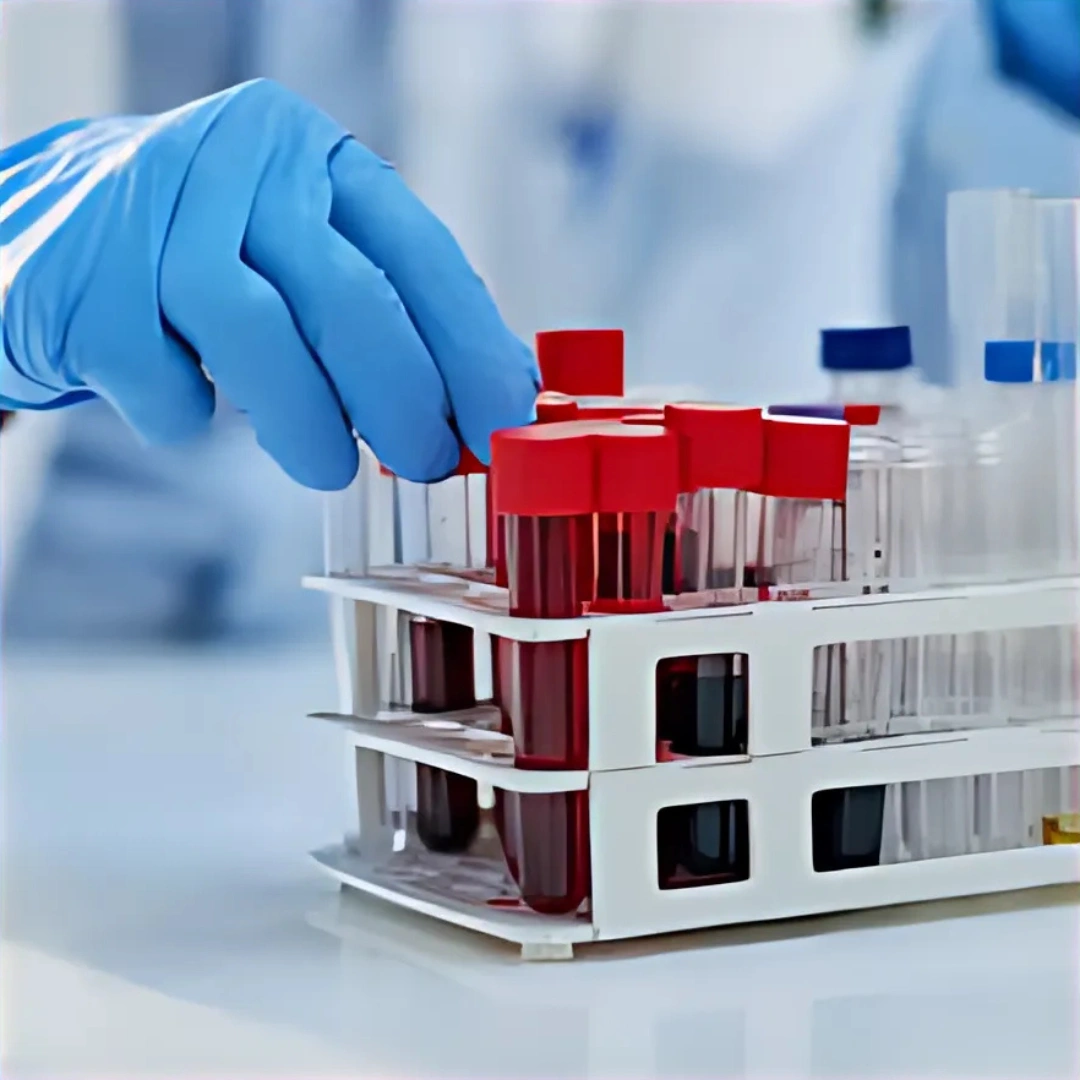
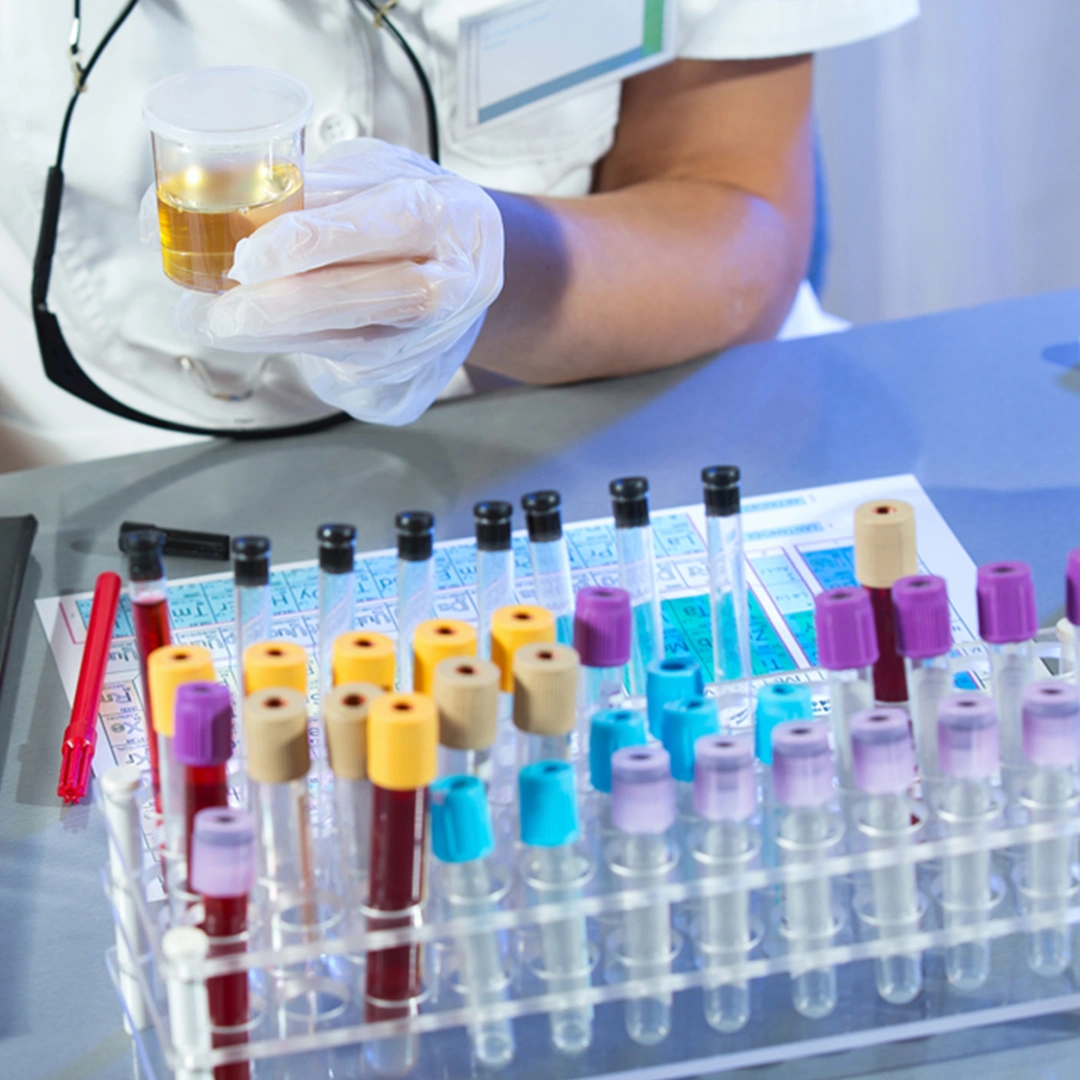
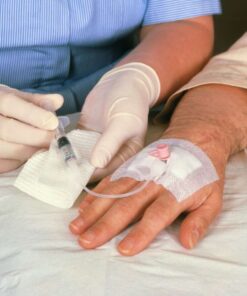
The test involves a standard blood draw. Risks are minimal and may include mild pain, slight bruising, or temporary dizziness at the puncture site, which usually resolve quickly.


Reviews
There are no reviews yet.