Hepatitis B Envelope Antibody (HBeAb), Serum
What it is
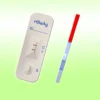
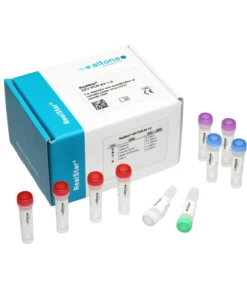
The Hepatitis B Envelope Antibody (HBeAb or anti-HBe) test detects antibodies produced against the hepatitis B envelope antigen (HBeAg). The appearance of HBeAb usually indicates a reduction in viral replication and a transition to a less infectious stage of hepatitis B infection. It is an important marker for monitoring disease activity and treatment response in patients with chronic HBV.
Uses
This test is used to:
- Assess the stage of hepatitis B infection.
- Monitor response to antiviral therapy in chronic HBV patients.
- Determine infectivity — HBeAb positivity generally means reduced infectivity compared to HBeAg positivity.
- Assist in prognosis — development of HBeAb is usually associated with better clinical outcomes.
Symptoms That May Lead to the Test
Doctors may order this test if you are already diagnosed with hepatitis B, especially chronic infection, and need monitoring of disease progression or therapy. Symptoms that may accompany HBV infection include jaundice, fatigue, abdominal pain, nausea, dark urine, pale stools, and unexplained elevations in liver enzymes.
Abnormal Results
Positive HBeAb: Suggests that viral replication has decreased and infectivity is lower. This often indicates a favorable immune response and better prognosis.
Negative HBeAb: Indicates absence of antibodies against the envelope antigen. If HBeAg is positive at the same time, it suggests active viral replication and high infectivity.
Results should always be interpreted with other HBV markers (HBsAg, Anti-HBs, HBeAg, HBV DNA) for a complete clinical picture.
Risks
The test requires a standard blood draw. Risks are minimal and include mild pain, slight bruising, or dizziness at the puncture site, which typically resolve quickly.


Reviews
There are no reviews yet.