Hepatitis B Surface Antibody (Quantitative), Serum
What it is
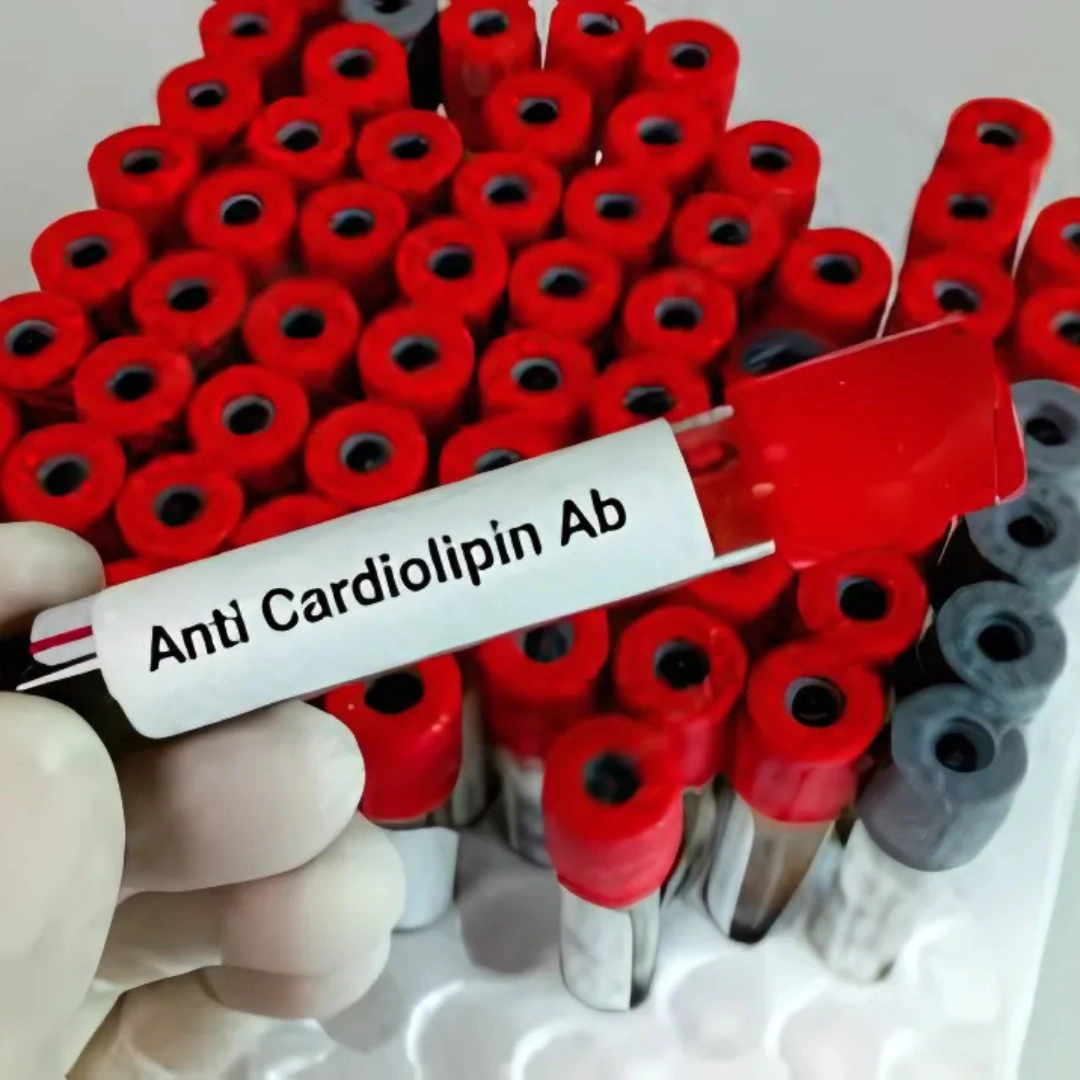
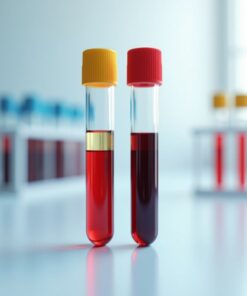
The Hepatitis B Surface Antibody (Anti-HBs) Quantitative test measures the level of antibodies directed against the hepatitis B surface antigen in the blood. These antibodies develop after recovery from natural infection or following successful vaccination. A positive quantitative result indicates immunity and protection against hepatitis B virus (HBV). Unlike the qualitative test, this assay provides an exact antibody concentration, which helps determine the strength of immunity.
Uses
This test is used to:
- Confirm immunity after hepatitis B vaccination.
- Assess the need for booster vaccination in individuals at risk (e.g., healthcare workers, dialysis patients).
- Evaluate immune response in immunocompromised patients after vaccination.
- Distinguish between immunity due to vaccination and recovery from natural infection (when interpreted with other HBV markers).
Symptoms That May Lead to the Test
This test is not typically ordered for diagnosis of active hepatitis B infection. Instead, it is requested in cases such as post-vaccination immunity checks, occupational health screening, or when monitoring immune status in patients with chronic illness or immunosuppression. Patients exposed to HBV may also undergo this test as part of serologic evaluation.
Abnormal Results
Positive Anti-HBs (≥10 mIU/mL): Indicates protective immunity, either from vaccination or past resolved infection.
Negative Anti-HBs (<10 mIU/mL): Suggests lack of immunity; the patient is susceptible to hepatitis B infection and may need vaccination or revaccination.
High Anti-HBs Levels: Usually observed shortly after vaccination or infection recovery and may decline over time.
Risks
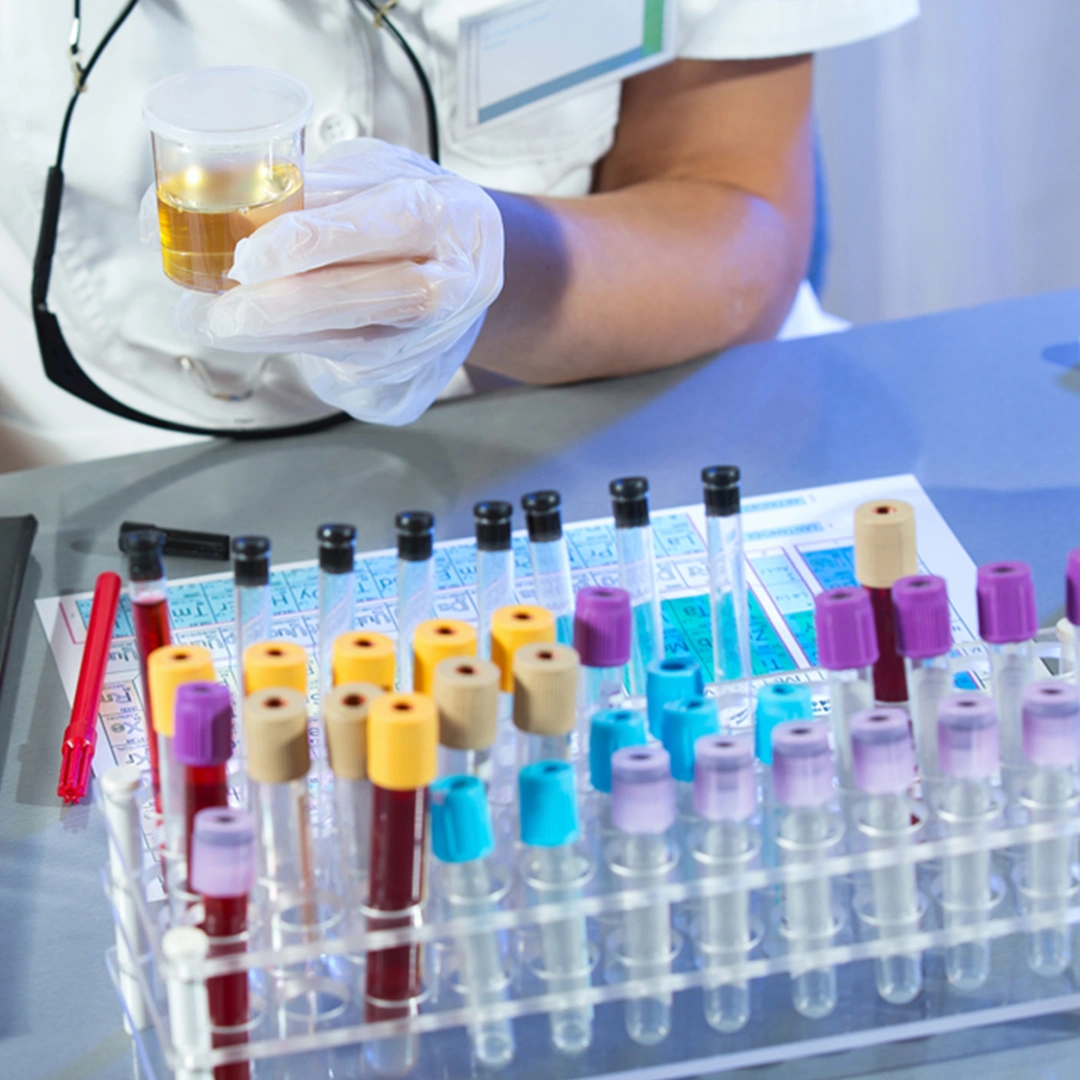
The test requires a routine blood draw. Risks are minimal and may include slight pain, bruising, or temporary dizziness at the puncture site, which usually resolve quickly.


Reviews
There are no reviews yet.