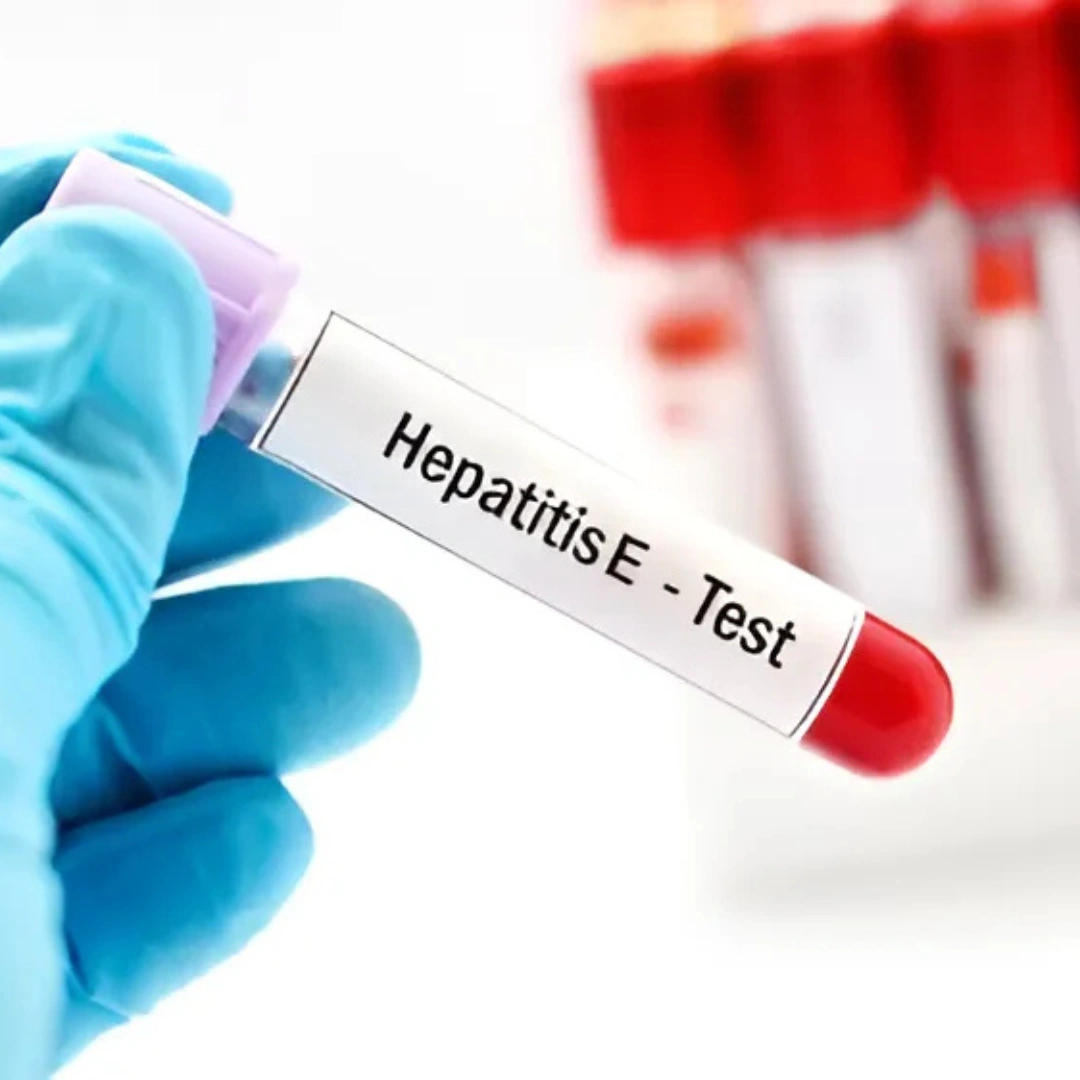
Hepatitis E Virus (HEV) IgM, Serum
What it is
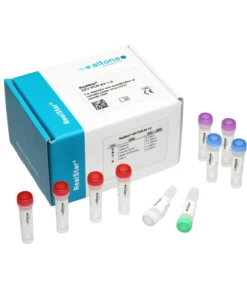
The Hepatitis E Virus (HEV) IgM Antibody test detects IgM antibodies in the blood against hepatitis E virus. IgM antibodies appear early in the infection and are the most reliable marker of acute or recent HEV infection. Unlike IgG, which indicates past exposure, the presence of IgM strongly suggests current or recent illness.
Uses
This test is used to:
- Diagnose acute or recent hepatitis E infection.
- Differentiates between ongoing infection (IgM) and past infection (IgG).
- Support diagnosis in patients with unexplained jaundice, abnormal liver function tests, or symptoms of viral hepatitis.
- Guide management in high-risk individuals such as pregnant women, immunocompromised patients, or those with chronic liver disease.
Symptoms That May Lead to the Test
Your doctor may order an HEV IgM test if you present with symptoms like sudden jaundice, dark urine, pale stools, fatigue, fever, nausea, abdominal pain, or elevated liver enzymes. It is especially recommended in areas where hepatitis E is endemic or after suspected exposure through contaminated food or water.
Abnormal Results
Positive HEV IgM: Confirms acute or recent hepatitis E infection. Further monitoring of liver function is often required.
Negative HEV IgM: Suggests no recent infection. If suspicion remains high, HEV IgG or PCR testing may be ordered for clarification.
Risks
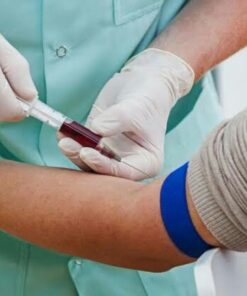
The test involves a simple blood draw. Risks are minimal and include mild bruising, slight pain, or dizziness at the puncture site, which usually resolve quickly.


Reviews
There are no reviews yet.