HER2/neu Oncogene Amplification FFPE Slide (FISH)
What it is
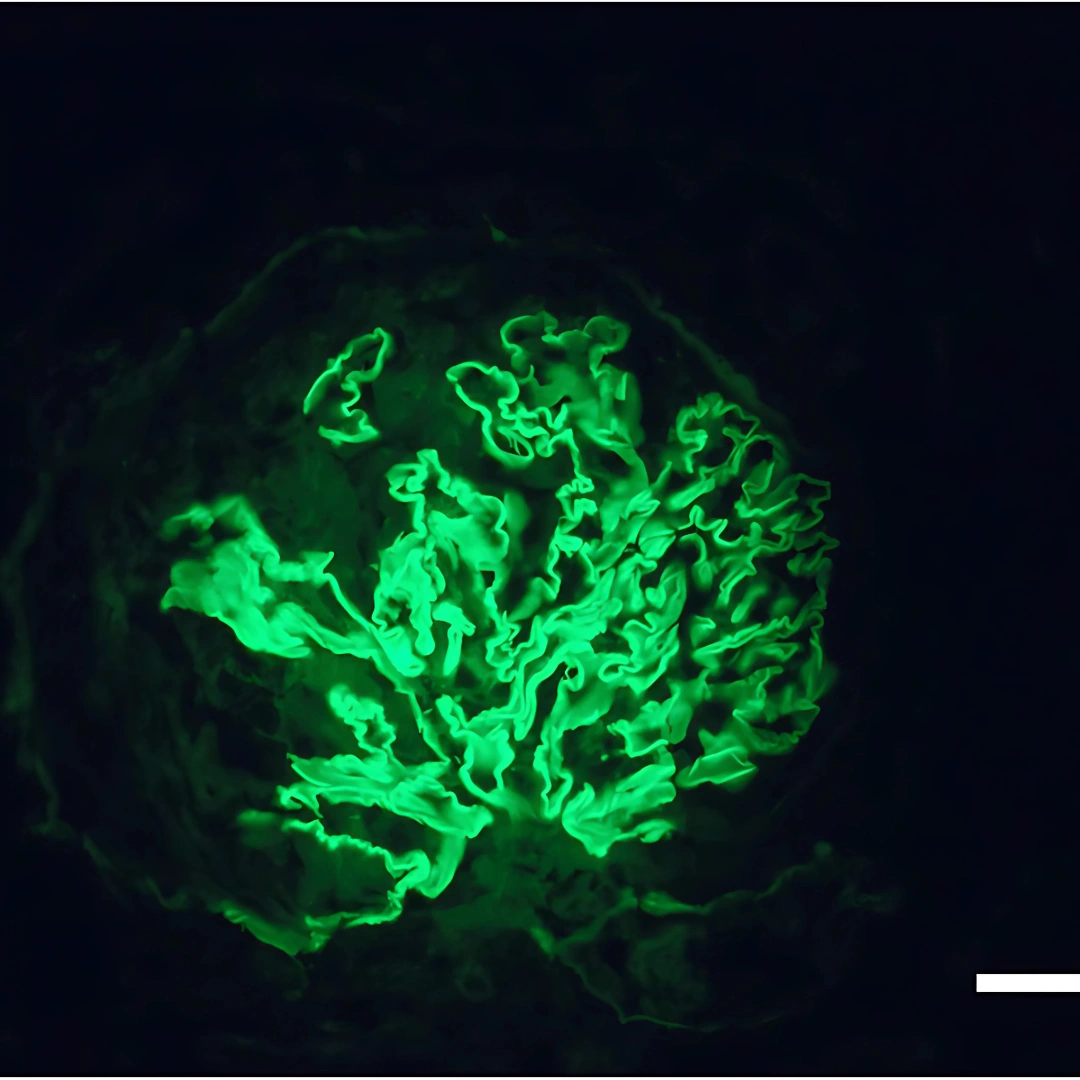
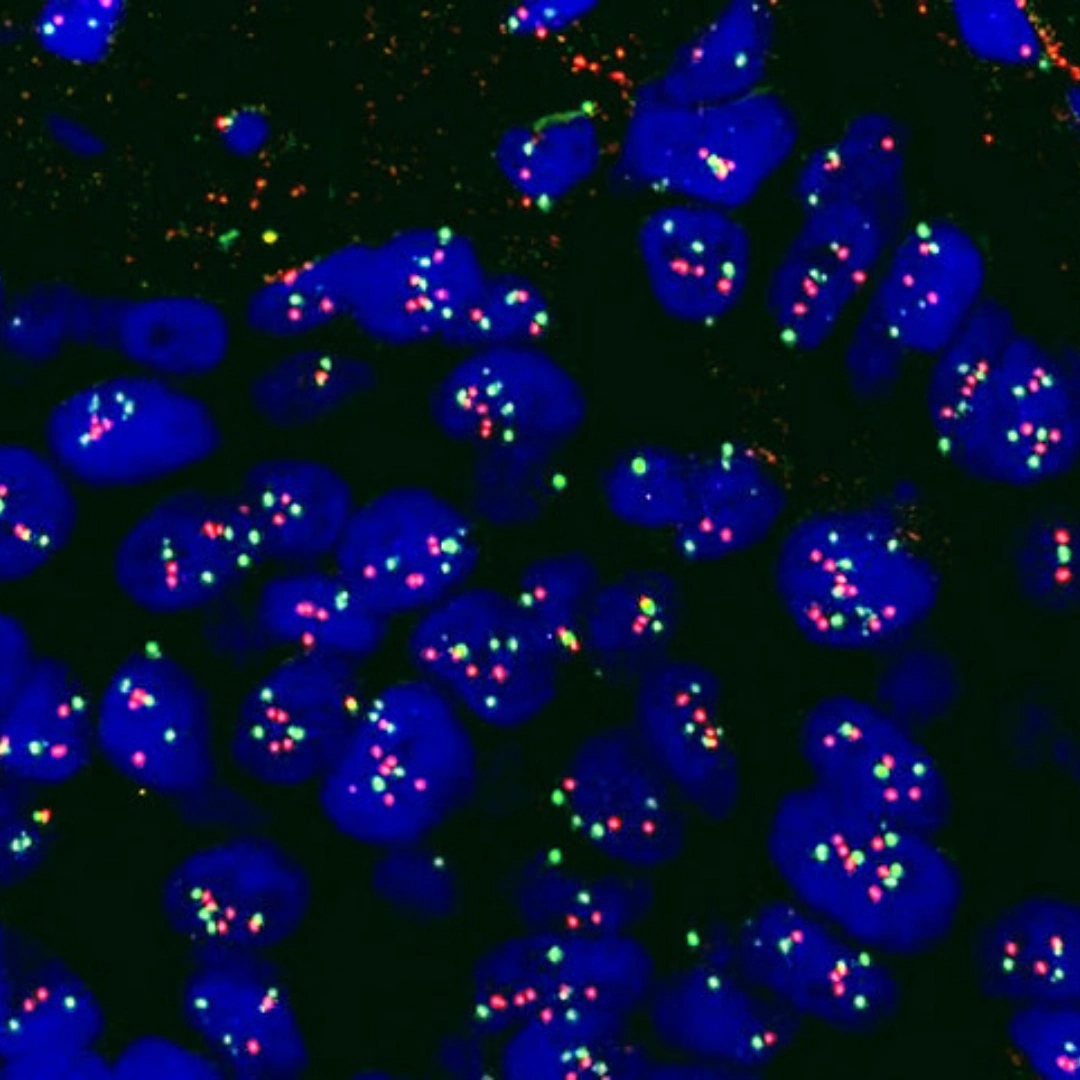
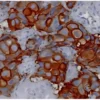
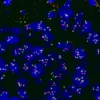
The HER2/neu Oncogene Amplification test performed on an FFPE (Formalin-Fixed Paraffin-Embedded) slide using Fluorescence In Situ Hybridization (FISH) is a specialized molecular pathology test. It detects the amplification (increased copy number) of the HER2/neu gene in tumor tissue, most commonly breast and gastric cancers. HER2 gene amplification is a predictive biomarker for targeted therapies such as trastuzumab, pertuzumab, and lapatinib.
Uses
This test is used to:
- Determine HER2 gene amplification status in breast, gastric, and other cancers.
- Guide eligibility for anti-HER2 targeted therapies.
- Differentiate HER2-positive from HER2-negative tumors for precise treatment planning.
- Support prognosis since HER2-positive cancers may be more aggressive without treatment.
Symptoms That May Lead to the Test
This test is usually performed after a cancer diagnosis (especially breast or gastric cancer) is made through biopsy. It may be ordered if the tumor shows features suggesting HER2 overexpression, or if immunohistochemistry (IHC) results for HER2 are equivocal (2+ score). Symptoms leading to initial biopsy may include breast lump, skin/nipple changes, unexplained weight loss, abdominal discomfort, or chronic indigestion in gastric cancers.
Abnormal Results
Positive HER2 Amplification: Indicates HER2-driven tumor growth and eligibility for HER2-targeted therapy.
Negative HER2 Amplification: Suggests no HER2 overexpression; the patient is unlikely to benefit from anti-HER2 drugs.
Equivocal Results: May require repeat testing or additional methods (IHC, alternative probes).
Risks
The test itself carries no direct risks to the patient, as it is performed on archived biopsy tissue (FFPE blocks/slides). Risks are only associated with the initial biopsy procedure, such as minor pain, bleeding, or infection at the site of sample collection.


Reviews
There are no reviews yet.