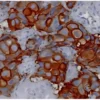
HER2/neu & ER/PR IHC Panel
What it is
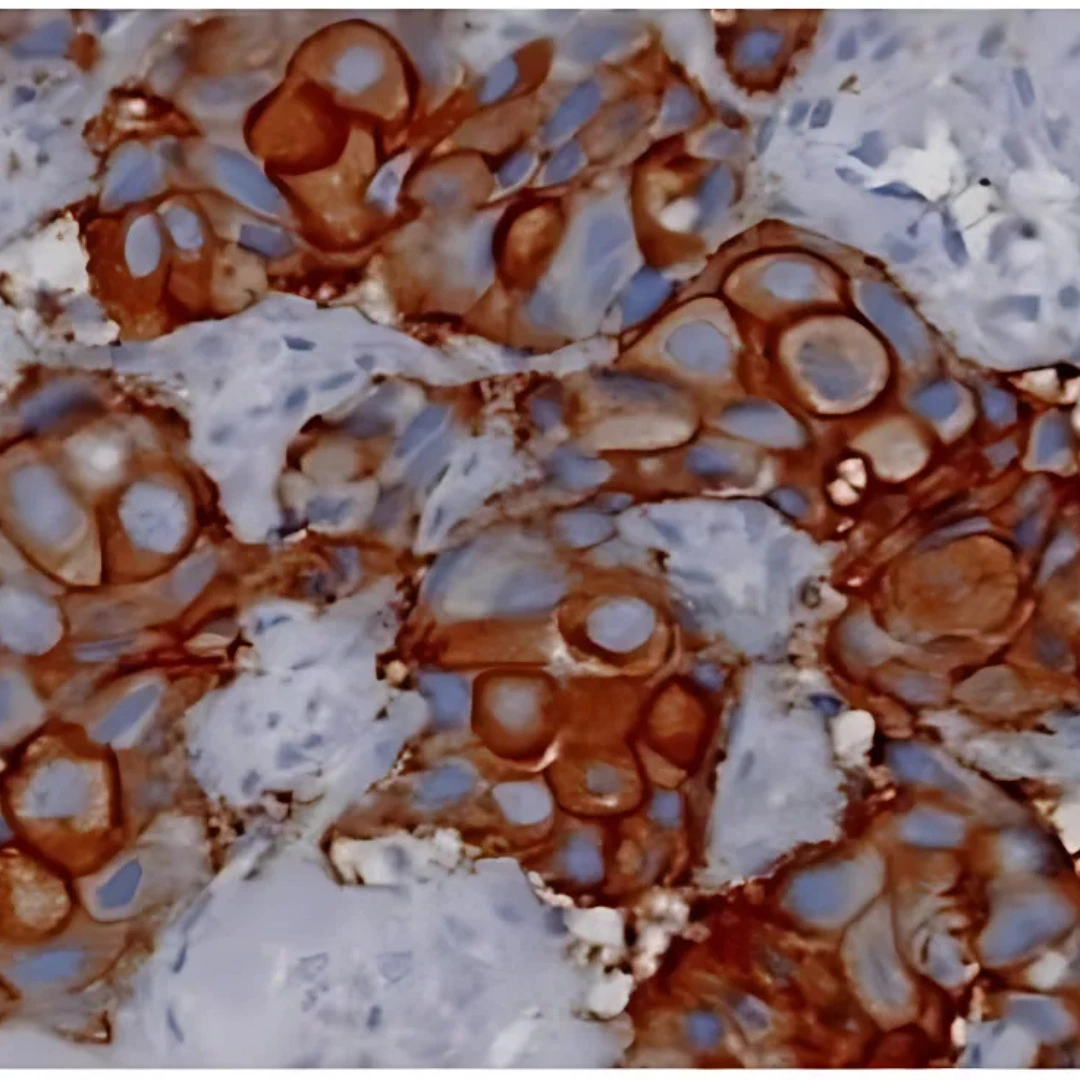
The HER2/neu & ER/PR IHC Panel is an immunohistochemistry (IHC)-based test performed on tumor biopsy tissue to evaluate the expression of three important biomarkers in breast cancer and certain other tumors: HER2/neu (Human Epidermal Growth Factor Receptor 2), Estrogen Receptor (ER), and Progesterone Receptor (PR). These markers help classify the cancer type and guide treatment strategies, including hormone therapy and targeted therapy.
Uses
This panel is used to:
- Determine HER2 status to assess eligibility for HER2-targeted therapies (e.g., trastuzumab, pertuzumab).
- Evaluate ER and PR expression to identify hormone-responsive cancers that may benefit from hormonal therapy (e.g., tamoxifen, aromatase inhibitors).
- Classify breast cancers into subtypes such as Luminal A, Luminal B, HER2-enriched, and Triple-Negative.
- Predict prognosis, since HER2-positive and hormone receptor-negative tumors are often more aggressive.
- Guide personalized treatment planning based on tumor biology rather than only clinical features.
Symptoms That May Lead to the Test
This test is typically performed after a biopsy confirms the presence of breast cancer (or occasionally other cancers like endometrial or ovarian tumors). Symptoms leading to initial biopsy may include a palpable breast lump, changes in breast/nipple skin, abnormal mammogram findings, unexplained weight loss, or metastatic lesions suspected to originate from breast cancer.
Abnormal Results
HER2 Positive: Indicates HER2 gene overexpression/amplification; patients are candidates for HER2-targeted therapies.
ER/PR Positive: Suggests hormone-driven cancer; hormonal therapy may be highly effective.
Triple Negative (HER2-, ER-, PR-): Indicates lack of these receptors; treatment options rely mainly on chemotherapy or emerging targeted approaches.
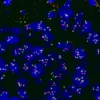
Equivocal HER2 Results (2+): May require confirmatory testing with FISH (Fluorescence In Situ Hybridization).
Risks
The test itself poses no risk, as it is performed on tissue already obtained from biopsy or surgery. Risks are only associated with the initial biopsy procedure, such as minor bleeding, infection, or discomfort.


Reviews
There are no reviews yet.