High Sensitive C-Reactive Protein (Hs-CRP), Serum
What it is
The High Sensitive C-Reactive Protein (Hs-CRP) test measures very low levels of C-reactive protein in the blood. CRP is a protein produced by the liver in response to inflammation. Unlike the standard CRP test, the Hs-CRP test is more sensitive and is commonly used to assess the risk of cardiovascular diseases, such as heart attack and stroke, by detecting chronic low-grade inflammation in the body.
Uses
This test is used to:
- Assess the risk of developing cardiovascular diseases.
- Identify ongoing low-grade inflammation in the body.
- Support evaluation in individuals with borderline cholesterol or other risk factors for heart disease.
- Monitor patients with existing heart conditions.
- Complement other lipid profile tests in preventive health check-ups.
Symptoms / Conditions That May Lead to the Test
Doctors may recommend this test if you have:
- Family history of heart disease or stroke.
- High blood pressure, high cholesterol, or diabetes.
- Obesity or sedentary lifestyle.
- History of smoking.
- Unexplained fatigue, chest pain, or other risk factors for heart disease.
Abnormal Results
- Low Hs-CRP (<1 mg/L): Low risk of cardiovascular disease.
- Moderate Hs-CRP (1–3 mg/L): Average risk of cardiovascular disease.
- High Hs-CRP (>3 mg/L): High risk of cardiovascular disease, or presence of inflammation from infection or other conditions.
Abnormal results should be interpreted along with cholesterol levels, blood pressure, lifestyle factors, and medical history for accurate cardiovascular risk assessment.
Risks
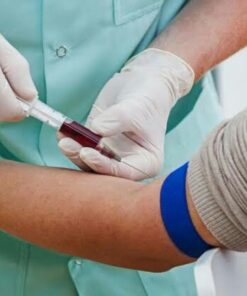
The test requires a blood sample and carries minimal risks, including:
- Mild pain, bruising, or discomfort at the puncture site.
- Rare chance of infection or dizziness after blood draw.


Reviews
There are no reviews yet.