Histopathological Examination of Skin Biopsy
What it is
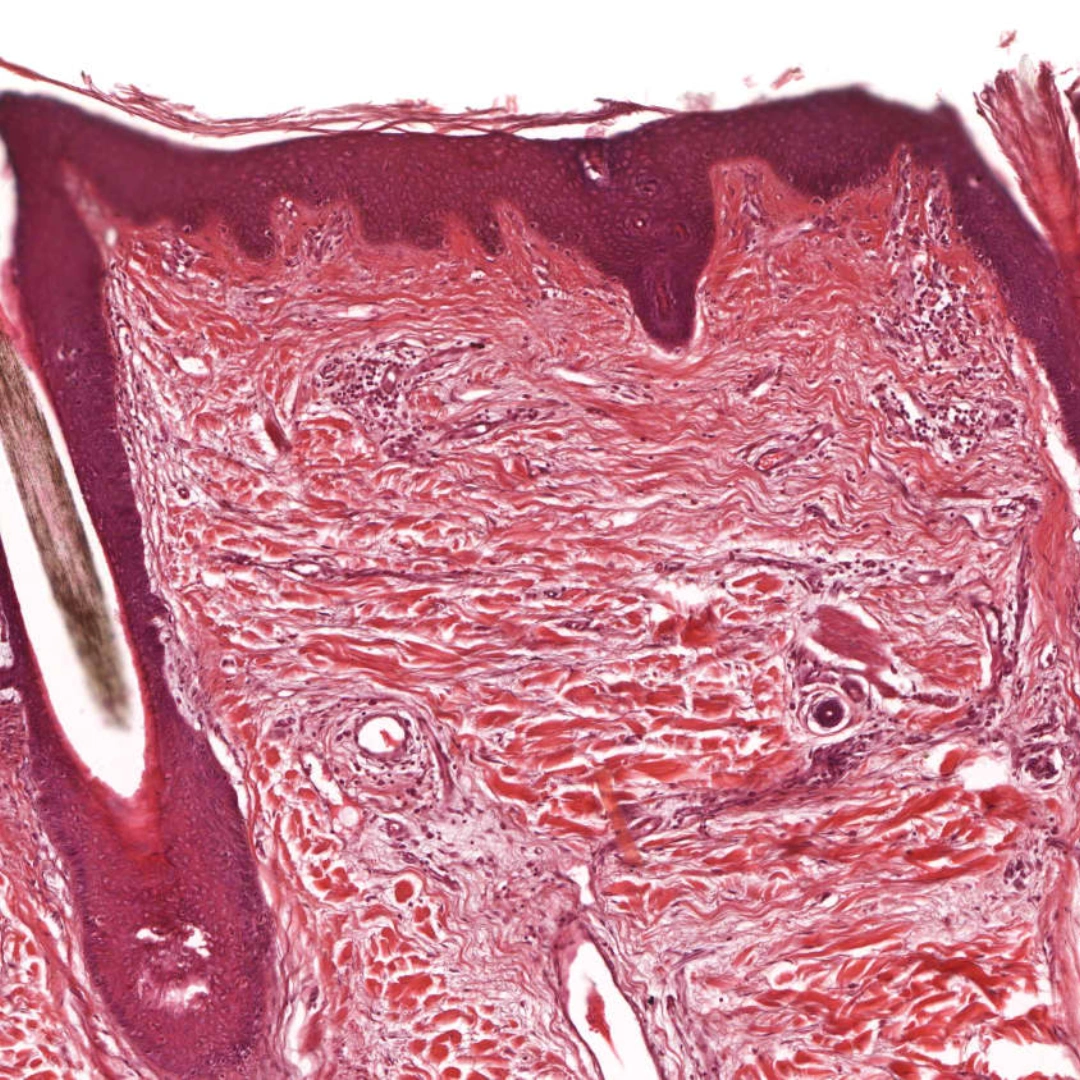
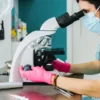
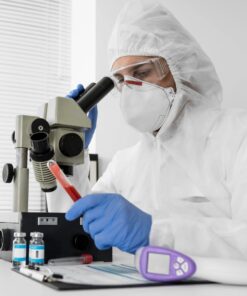
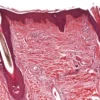
The Histopathological Examination of Skin Biopsy is a diagnostic test in which a small sample of skin tissue is removed and examined under a microscope. The biopsy is studied by a pathologist to assess the cellular and structural changes in the skin. This test helps identify a wide range of skin conditions, including infections, inflammatory diseases, autoimmune disorders, and cancers such as melanoma or squamous cell carcinoma.
Uses
This test is used to:
- Diagnose suspicious skin lesions, rashes, or persistent skin changes.
- Confirm or rule out skin cancers (e.g., melanoma, basal cell carcinoma, squamous cell carcinoma).
- Identify inflammatory and autoimmune skin disorders such as psoriasis, eczema, or lupus.
- Detect skin infections caused by bacteria, fungi, or viruses.
- Guide treatment decisions by providing definitive tissue diagnosis.
Symptoms / Conditions That May Lead to the Test
Doctors may recommend this test if you have:
- A suspicious mole, wart, or pigmented lesion that changes in size, shape, or color.
- Non-healing ulcers or chronic wounds.
- Persistent rashes or unexplained skin eruptions.
- Thickened, scaly, or inflamed skin suggestive of chronic dermatoses.
- Blistering disorders or suspected autoimmune skin diseases.
Abnormal Results
- Benign Findings: May indicate non-cancerous conditions such as eczema, psoriasis, dermatitis, or benign skin tumors.
- Malignant Findings: Suggest skin cancer, including melanoma, squamous cell carcinoma, or basal cell carcinoma.
- Infectious/Inflammatory Findings: May reveal bacterial, viral, or fungal skin infections, or autoimmune-related damage.
Results are interpreted by a pathologist and shared with the treating doctor, who combines them with clinical findings for diagnosis and treatment planning.
Risks
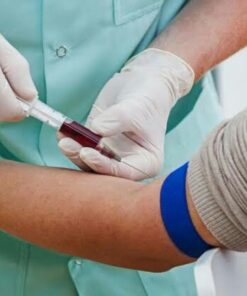
The procedure involves a minor skin biopsy and carries minimal risks, including:
- Pain, bleeding, or mild discomfort at the biopsy site.
- Risk of infection or delayed wound healing.
- Possible small scar formation at the biopsy site.


Reviews
There are no reviews yet.