HIV-2 RNA Detection by Real-Time PCR
What it is
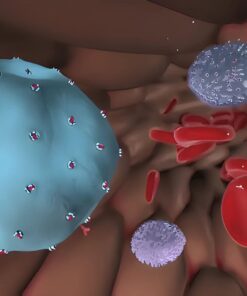
The HIV-2 RNA Detection by Real-Time PCR test is a molecular diagnostic test that directly detects and measures the genetic material (RNA) of Human Immunodeficiency Virus type 2 (HIV-2) in the blood. Unlike antibody-based tests, which look for the body’s immune response, this test identifies the presence of the virus itself. It is highly sensitive and is especially useful for diagnosing early infection, monitoring disease progression, and assessing treatment effectiveness in HIV-2 infected individuals.
Uses
This test is used to:
- Confirm active HIV-2 infection by detecting viral RNA.
- Diagnose HIV-2 during the “window period” before antibodies are detectable.
- Monitor viral load in patients undergoing antiretroviral therapy (ART).
- Assess risk of mother-to-child transmission during pregnancy.
- Guide treatment decisions by tracking disease progression.
Symptoms / Conditions That May Lead to the Test
Doctors may recommend this test if you have:
- A reactive or indeterminate HIV antibody screening test.
- Risk factors such as unprotected sex, needle sharing, or exposure to infected blood.
- Clinical symptoms of HIV infection (fever, weight loss, swollen lymph nodes, night sweats).
- A known or suspected exposure to HIV-2 (common in West Africa but also reported globally).
- Pregnancy with suspected HIV-2 infection, to prevent neonatal transmission.
Abnormal Results
- Positive Result: Indicates active HIV-2 infection. The viral RNA is detectable in the blood, confirming infection and allowing estimation of viral load.
- Negative Result: Suggests no detectable HIV-2 RNA at the time of testing. However, very early infections or low viral loads may yield undetectable results; repeat testing may be required if recent exposure is suspected.
Results are used in combination with antibody tests and clinical evaluation to confirm diagnosis and manage treatment.
Risks
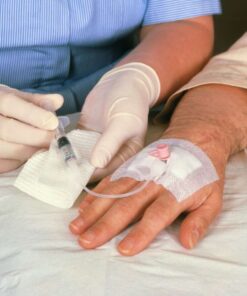
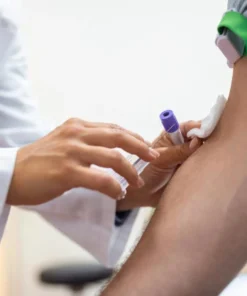
The test requires a blood sample and carries minimal risks, including:
- Mild pain, bruising, or discomfort at the puncture site.
- Rare chance of infection or dizziness after blood draw.


Reviews
There are no reviews yet.